

The Best Digestion Teas, Backed by Evidence and Dietitian Picks
Ginger, peppermint, chamomile, and fennel are the four best digestion teas, and each one earns its spot for a different complaint. Ginger calms nausea. Peppermint eases IBS-related cramping and bloating. Chamomile relaxes a tense gut and supports the sleep that digestion depends on. Fennel breaks up gas. The simplest rule: sip 1 to 3 cups after a heavy meal or right when symptoms start, and give each cup 5 to 10 minutes to steep before you judge it.
- Nausea: ginger, sipped at the first wave of queasiness
- Cramping or IBS symptoms: peppermint, ideally away from reflux flare-ups
- Indigestion or a tense stomach: chamomile, especially in the evening
- Gas and bloating: fennel seed tea, after meals
- Gentle, ongoing gut support: green, oolong, or pu-erh in moderation
Key Takeaways
The most effective digestion teas pair a specific mechanism to a specific symptom, and peppermint and ginger carry the strongest clinical evidence of the group.
| Point | Details |
|---|---|
| Match tea to symptom | Ginger for nausea, peppermint for cramping, chamomile for tension, fennel for gas. |
| Peppermint has the strongest trial backing | A systematic review found it significantly reduced IBS bloating, gas, and constipation. |
| Reflux sufferers should avoid peppermint | Its muscle-relaxing action can loosen the sphincter that keeps acid down. |
| Frequency guidance is 2 to 3 cups daily | This matches common serving suggestions on digestive tea packaging. |
| LaTerraTales applies the same evidence filter | Our Gut-Skin Axis Tea is formulated with the same ingredient scrutiny described here. |
This article is general information, not a substitute for advice from a qualified doctor. Consult a qualified healthcare professional about your own circumstances before acting on anything here.
Table of Contents
- Best Herbal Teas for Digestion, Matched to Your Symptoms
- How Tea Actually Supports Digestion
- When and How to Brew Digestion Teas
- Digestion Tea Safety: Who Should Check With a Doctor First
- Choosing a Quality Digestion Tea
- Sources
Best Herbal Teas for Digestion, Matched to Your Symptoms
Not every digestive complaint calls for the same cup. Here’s how the most researched options stack up, and where each one earns its reputation.
1. Peppermint
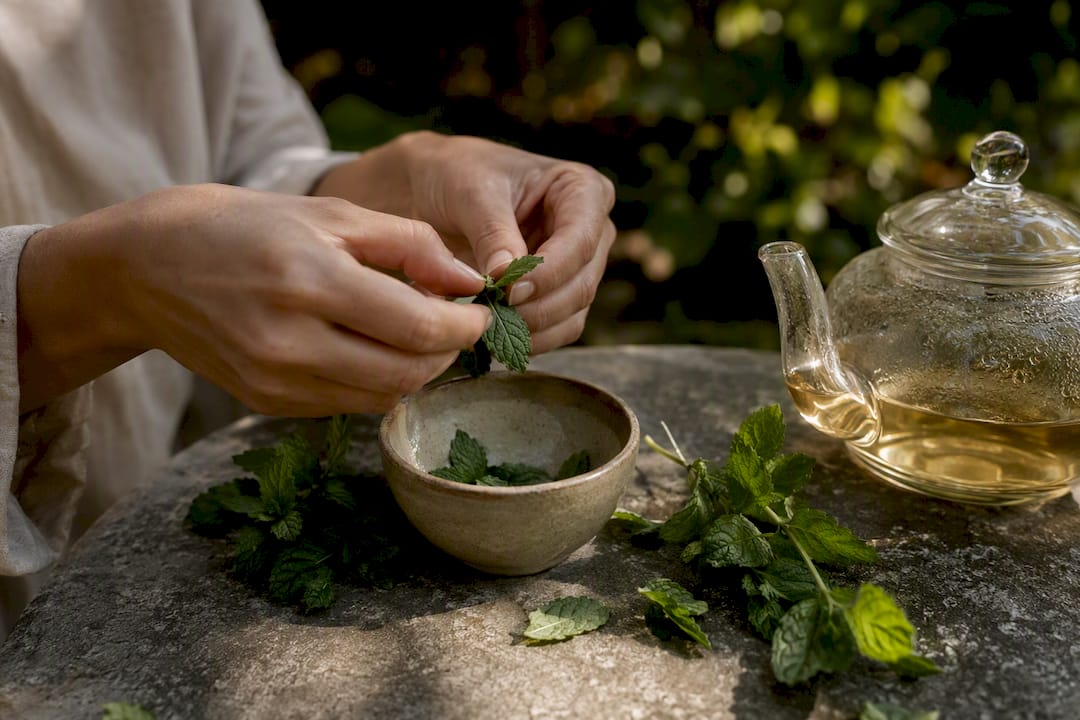
Peppermint’s menthol content relaxes smooth muscle in the gut, which is why it shows up so often in conversations about teas for an upset stomach. A 2022 systematic review and meta-analysis found peppermint oil significantly outperformed placebo for reducing IBS-related bloating, gas, and constipation. That’s a real edge over most herbal teas, which lean on tradition rather than trial data. The catch: the same muscle-relaxing action that eases cramping can loosen the lower esophageal sphincter, so anyone with reflux should treat peppermint as an occasional remedy, not a nightly ritual.
2. Ginger
Ginger tea is a first-line recommendation from registered dietitians for digestive complaints, and the reasoning holds up: gingerols block gut receptors that trigger nausea and calm inflammation along the digestive tract, according to dietitian-backed gut health guidance from EatingWell. For active nausea, fresh sliced ginger simmered gently extracts more of those compounds than a fast steep.

3. Chamomile
Chamomile relaxes digestive muscles and helps with indigestion, gas, and even motion sickness, while its calming effect on the nervous system supports the sleep quality that keeps digestion running smoothly overnight.
4. Fennel
Fennel seed tea is a traditional carminative, meaning it helps move trapped gas along rather than letting it sit and cause bloating. Evidence here is thinner than for peppermint or ginger, resting mostly on generations of use and small trials, but it remains a reliable after-dinner pick.
5. Licorice
Licorice root soothes irritated mucosal tissue in the gut, but whole licorice can raise blood pressure with regular use. DGL (deglycyrrhizinated licorice) strips out the compound responsible for that effect, making it the safer choice for anyone using licorice tea often.
6. Green, oolong, and pu-erh
These true teas offer a milder, caffeinated route to post-meal balance. Green tea and oolong carry moderate caffeine; pu-erh, a fermented tea, is sometimes favored for gentler effects on the stomach. None matches peppermint or ginger for clinical backing, but they’re a reasonable everyday swap if you want digestive support without a strong herbal taste.
How Tea Actually Supports Digestion
Each tea earns its place through a distinct mechanism, not just tradition.
- Antispasmodic action: menthol in peppermint relaxes gut smooth muscle, which is the mechanism behind its IBS results.
- Antiemetic and anti-inflammatory action: gingerols in ginger interrupt nausea signals and calm inflamed tissue.
- Carminative action: fennel and chamomile help gas move through rather than pool and cause pressure.
Peppermint oil for IBS carries the strongest clinical evidence in this list — the meta-analysis behind it is a genuine systematic review, not a single small study. Ginger sits close behind, backed by consistent mechanistic and clinical support for nausea. Fennel, licorice, and the fermented teas lean more heavily on long-standing traditional use, which doesn’t make them useless, just less rigorously tested.
When and How to Brew Digestion Teas
- After a heavy meal: reach for fennel or chamomile to ease bloating before it builds.
- At the first sign of nausea: simmer fresh ginger slices for 10 to 15 minutes; a quick steep pulls out far fewer gingerols.
- For cramping without reflux: steep peppermint leaves in water just off the boil for 5 to 7 minutes.
- If you have reflux: skip peppermint and choose chamomile or ginger instead.
Fresh ginger infusion: simmer 1 inch of sliced fresh ginger in 2 cups of water for 10 to 15 minutes, then strain.
Fennel seed steep: crush 1 teaspoon of fennel seeds lightly, pour hot water over them, and steep for 8 minutes.
Consumer guidance on peppermint and ginger blends commonly points to 2 to 3 cups per day as a reasonable frequency for digestive support.
Pro Tip: Crush fennel seeds before steeping. Whole seeds release far less flavor and fewer active compounds than seeds that have been lightly cracked first.
Digestion Tea Safety: Who Should Check With a Doctor First
Digestion teas are gentle, but “gentle” doesn’t mean risk-free for everyone.
- Peppermint’s muscle-relaxing effect on the lower esophageal sphincter can worsen GERD symptoms, so reflux sufferers should limit or skip it.
- Whole licorice can raise blood pressure and interact with certain medications; DGL or a clinician check is the safer route if you use it regularly.
- Pregnant or breastfeeding readers should get clinician clearance before regular use of any concentrated herbal tea, since safety data on some botanicals during pregnancy is limited.
- Unexplained weight loss, blood in stool, or persistent severe pain are red flags that call for a doctor, not another cup of tea.
Ingredient safety isn’t a footnote for us. It’s the filter every botanical passes through before it earns a place in a LaTerraTales blend, the same standard we apply across our evidence-based approach to natural beauty.
Choosing a Quality Digestion Tea
Start with the symptom, not the marketing copy. If reflux is your main issue, rule out peppermint before anything else. If you’re sensitive to caffeine in the evening, stick to herbal tisanes over green or oolong.
- Match the tea to your primary symptom first, not the label’s promises.
- Choose caffeine-free tisanes for evening use or if you’re caffeine-sensitive.
- Check the ingredient list: whole herb or leaf should sit above fillers, and organic certification is worth confirming on the package.
- Look for sourcing transparency: origin, concentration, and suggested use should all be listed clearly.
| Point | Details |
|---|---|
| Symptom match matters most | Pick peppermint for cramping, ginger for nausea, chamomile for tension, fennel for gas. |
| Peppermint carries reflux risk | Avoid it if you have GERD; it can relax the sphincter that keeps stomach acid down. |
| Read the label closely | Whole herb near the top of the ingredient list beats vague “natural flavor” fillers. |
| LaTerraTales applies the same scrutiny | Our blends go through the ingredient evaluation process we use across all wellness formulas. |
A brand perspective on gut-supportive infusions
We source botanicals the way we’d want them sourced for our own kitchen: transparently, with evidence checked before tradition is trusted blindly. Ritual matters, but so does what’s actually in the cup. Explore how this thinking shapes our gut-skin approach.
— LaTerraTales
Try a blend built for gut and skin together
Most single-herb teas ask you to choose one benefit. Our Gut-Skin Axis Tea was formulated to support digestion while keeping an eye on the gut-skin connection that shows up in breakouts and dullness when digestion is off.
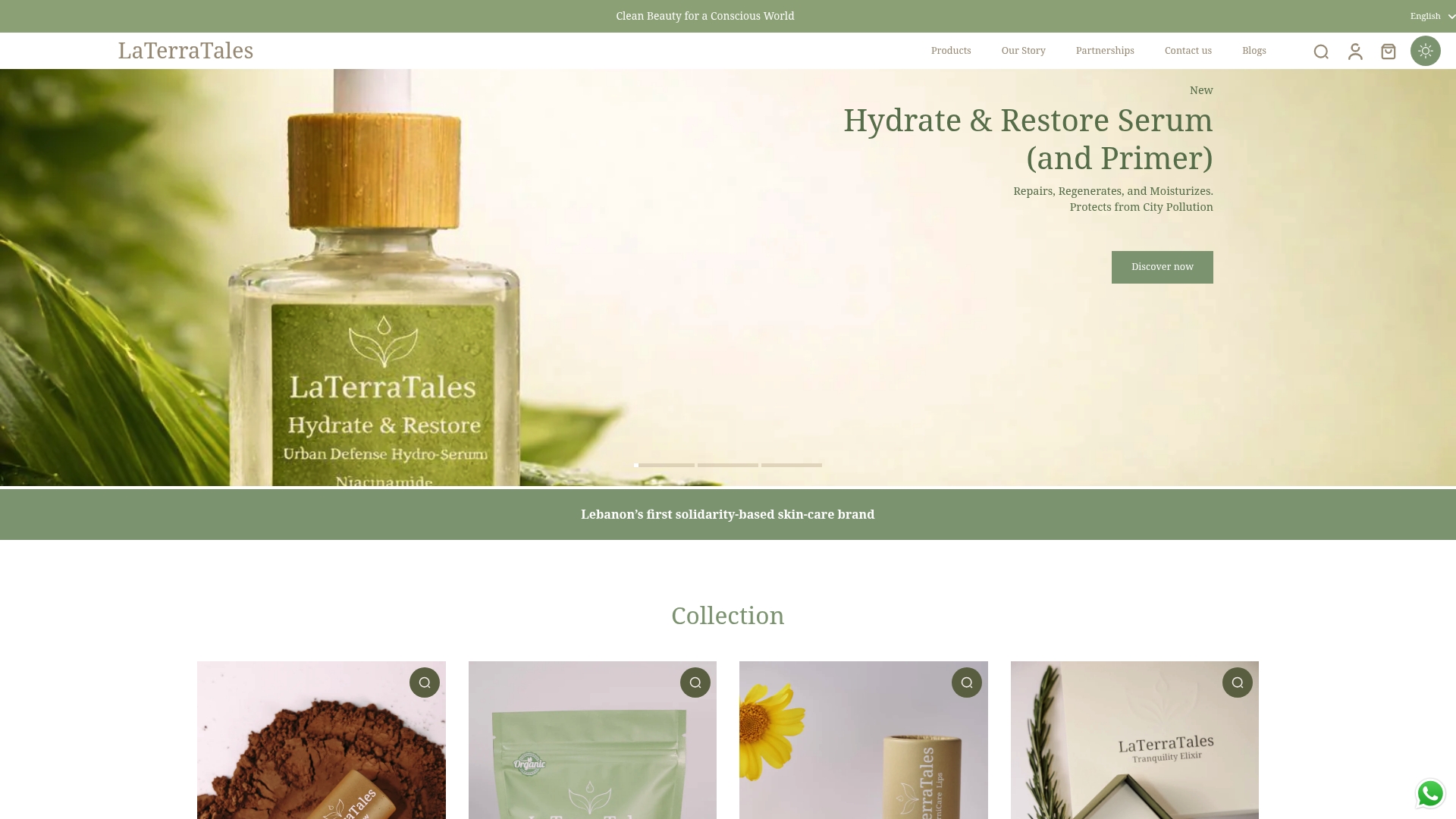
Every botanical in the blend goes through the same ingredient scrutiny outlined above, listed plainly on the package with no vague “proprietary blend” language. If you want a ready-made cup instead of measuring fennel seeds each night, try the Gut-Skin Axis Tea or browse the full wellness and self-care collection to find the infusion that fits your routine.
Sources
- Tea for an upset stomach: 9 types to try — Healthline
- Systematic review/meta-analysis on peppermint oil for IBS — PubMed
- The Best Tea for Gut Health, According to Dietitians — EatingWell
Recommended
Share


