

Common Single-Use Beauty Waste Sources and How to Act
The biggest single-use beauty waste sources in your bathroom are sachets, disposable wipes and sheet masks, travel-size bottles, pump dispensers, cotton pads, q-tips, and single-use sample pots. The beauty and personal care industry produces over 120 billion packages annually, and most of those packages never get recycled. Three things you can do right now:
- Swap one product today. Replace disposable cotton rounds or single-use wipes with washable cloth pads or a solid cleansing bar.
- Keep your empties. Collect used mascara tubes, lipstick cases, and pump bottles for a TerraCycle mail-in or drop-off program rather than tossing them in the trash.
- Choose refillable or solid formats. LaTerraTales solid cleansing bars and botanical oils replace multiple single-use products in one durable package.
Table of Contents
- What are the most common single-use beauty waste sources?
- Why are these items excluded from U.S. curbside recycling?
- What everyday swaps cut single-use beauty waste most effectively?
- How do you handle items curbside recycling won’t accept?
- How do you choose genuinely low-waste beauty products?
- Key Takeaways
- The real problem with “recyclable” beauty packaging
- LaTerraTales products that help you reduce beauty waste
- Sources and further reading
What are the most common single-use beauty waste sources?
Your daily routine likely contains more disposable beauty products than you realize. Here is where the waste concentrates most:
Face care: Sheet masks are used once and discarded, often combining synthetic fibers with hydrogel or cotton that cannot be separated for recycling. Disposable makeup wipes are similarly single-use, and cotton pads are used in enormous volumes daily.
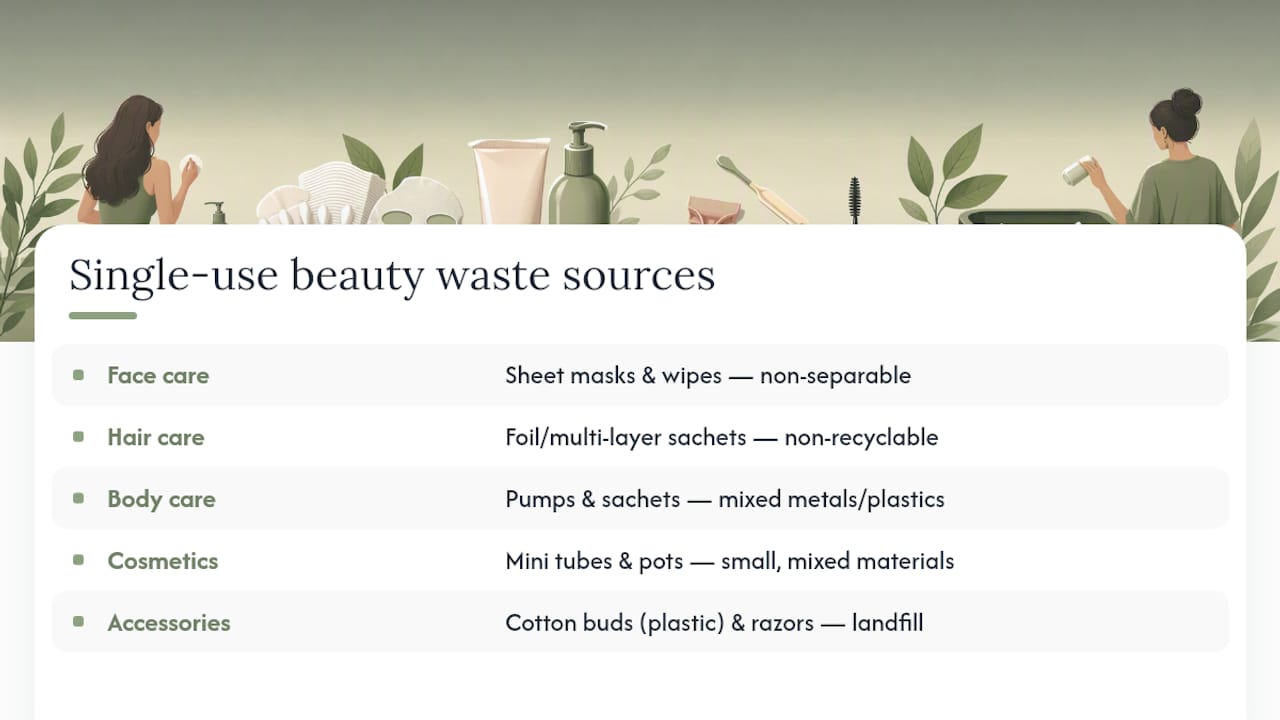
Hair care: Single-dose sachets of shampoo, conditioner, and hair masks are ubiquitous in hotels and sample kits. Travel-size pouches in foil or multi-layer plastic are almost universally non-recyclable.
Body care: Single-use body wash sachets and small pump bottles from hotel amenity kits or sample subscriptions add up fast. Pump dispensers themselves contain mixed metal and plastic springs that MRFs cannot separate.
Cosmetics: Mini lipstick tubes, mascara wands, single-use eyeshadow compacts, and sample pots are some of the most problematic items in beauty industry waste. Their small size and mixed materials make them nearly impossible to process through standard recycling.
Accessories: Cotton buds (q-tips) with plastic stems and disposable razors round out the list. Both are typically landfill-bound.
Why are these items excluded from U.S. curbside recycling?
Most small or mixed-material beauty items are not captured by Material Recovery Facilities (MRFs), the sorting plants that process your curbside bin. This is a structural problem, not a labeling oversight.
Scale check: Pact Collective estimates over 120 billion beauty packages are produced each year, yet only a fraction are recovered. MRF design is the primary reason.
MRFs are engineered around large, rigid containers: PET #1 bottles and HDPE #2 jugs. Anything smaller than roughly a yogurt cup or a credit card falls through conveyor gaps or gets sorted out as debris. That means mascara tubes, lipstick cases, travel-size containers, and most compacts are effectively excluded regardless of their resin code.
Black plastics add another layer of difficulty. Optical sorters use near-infrared light to identify resin types, but black pigment absorbs that light, making black plastic packaging invisible to the sensor. Eyeliner cases, black pump bottles, and dark compacts pass through the line undetected and end up in the residual waste stream.
Mixed-material assemblies are the third barrier. A pump dispenser contains a plastic barrel, a metal spring, a rubber gasket, and sometimes a glass insert. Separating those materials requires manual labor that municipal systems simply do not provide. The same applies to compacts with metal hinges and mirrors, and to multi-layer tubes that bond aluminum with plastic.
What everyday swaps cut single-use beauty waste most effectively?
These swaps remove the largest volumes of disposable beauty products from your routine and are practical for everyday use.
| Single-use item | Low-waste alternative | Pros | Cons |
|---|---|---|---|
| Sachets and travel pouches | Large-format refill bottles | Dramatically less packaging per use | Upfront cost; less portable |
| Disposable sheet masks | Reusable silicone masks | Reusable hundreds of times | Requires serum purchased separately |
| Disposable makeup wipes | Washable microfiber or muslin cloths | Durable, gentle on skin | Needs laundering |
| Pump bottles | Refill systems or concentrate drops | Cuts plastic volume significantly | Concentrates need correct dilution |
| Cotton pads | Reusable organic cotton rounds | Lower lifecycle water footprint | Small upfront investment |
| Single-use sample pots | Full-size or refillable formats | Less packaging waste overall | Higher per-purchase cost |
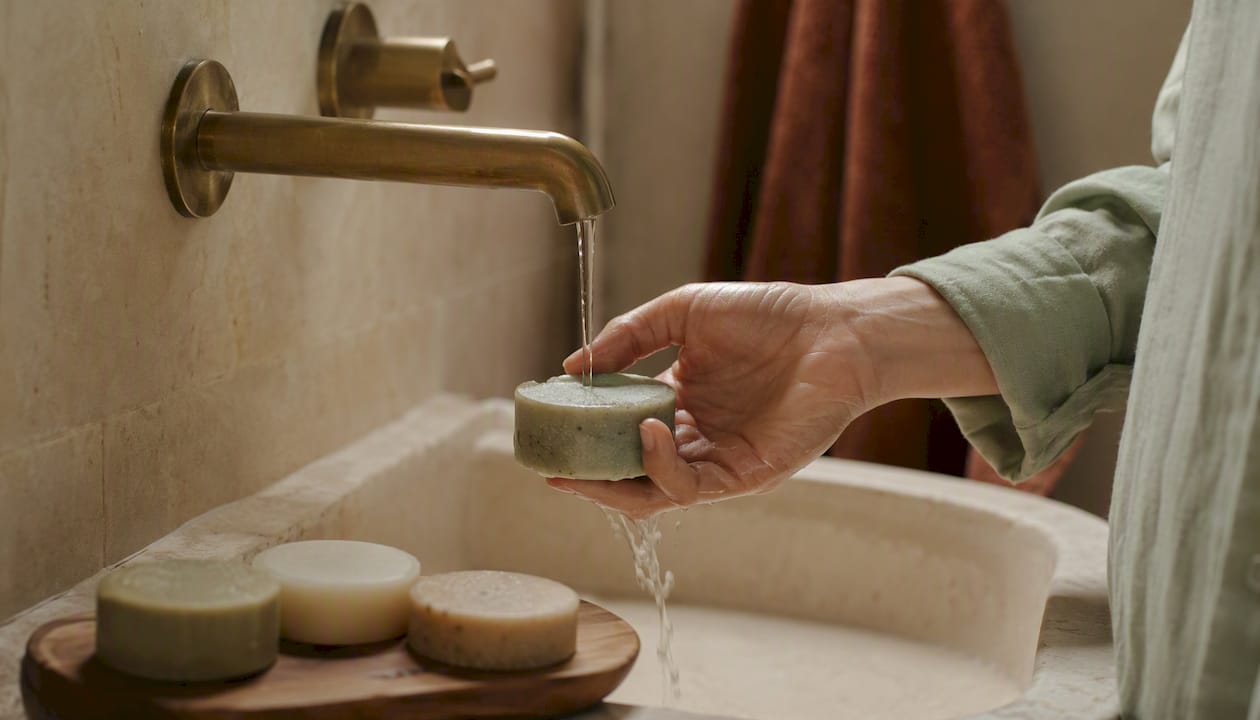
According to National Geographic’s investigation into beauty and plastic, removing water from formulations and switching to solid formats is one of the highest-impact changes a brand or consumer can make. A solid bar eliminates the bottle, the pump, and the preservative system needed to stabilize a water-based formula.
Pro Tip: If you have sensitive skin and are nervous about switching to solid cleansers, look for bars with a neutral pH and no sulfates. Lather the bar in your hands first rather than rubbing it directly on your face. This gives you control over the amount and reduces the chance of irritation during the transition.
How do you handle items curbside recycling won’t accept?
If your curbside bin cannot take it, specialized collection programs are your best option. Here is how each route works:
- Check the program’s cap policy — Some TerraCycle programs want caps on; others ask you to remove them. Read the specific program instructions before packing.
Program options at a glance:
How do you choose genuinely low-waste beauty products?
Choose refillable, minimal-material, or solid-format products and verify end-of-life information before you buy. Here is a quick checklist:
- Biodegradable ingredients: Understanding what biodegradable ingredients actually do helps you evaluate green claims beyond the label.
Red flags to watch for: ambiguous “eco-friendly” claims with no certification or program link, multi-material packaging with no disassembly instructions, and brands that offer excessive single-use sampling without a take-back option.
When evaluating a brand, ask: “Where do I send this when it’s empty?” If the answer is not on the product page, that tells you something. LaTerraTales signals its low-waste commitment through solid formats, minimal packaging, and a plastic-free product guide that walks you through the options category by category.
Key Takeaways
Single-use beauty waste is a systemic problem, but your purchasing choices are the most direct signal manufacturers receive.
| Point | Details |
|---|---|
| Scale of the problem | The beauty industry produces over 120 billion packages annually; most go to landfill or incineration. |
| Curbside limits | MRFs cannot process small, black, or mixed-material beauty items — “wishcycling” contaminates loads. |
| Best disposal route | TerraCycle programs recycle 98% of accepted beauty waste and outperform landfill by a wide margin. |
| Highest-impact swap | Solid-format and refillable products eliminate packaging at the source, not just at end-of-life. |
| LaTerraTales approach | Solid cleansing bars, botanical oils, and refill-friendly formats replace multiple single-use products. |
The real problem with “recyclable” beauty packaging
The word “recyclable” on a beauty product is doing a lot of work it cannot always back up. A pump bottle made from HDPE #2 is technically recyclable. But the metal spring inside the pump, the rubber gasket, and the residue coating the walls mean it will almost certainly be rejected at your local MRF. The label is accurate in a laboratory sense and misleading in a practical one.
What actually moves the needle is not better labeling. It is design. Brands that build refillability into the product from the start, that sell concentrates to reduce packaging volume, or that offer solid formats that need no bottle at all are solving the problem upstream. Consumers who choose those formats send a demand signal that labeling reform never will.
The simplify-your-routine approach matters here too. Fewer products mean fewer packages, and fewer packages mean less waste regardless of what the recycling symbol says.
LaTerraTales products that help you reduce beauty waste
Switching away from single-use beauty items does not mean giving up efficacy or sensory pleasure. LaTerraTales builds low-waste thinking into its formulations from the start.
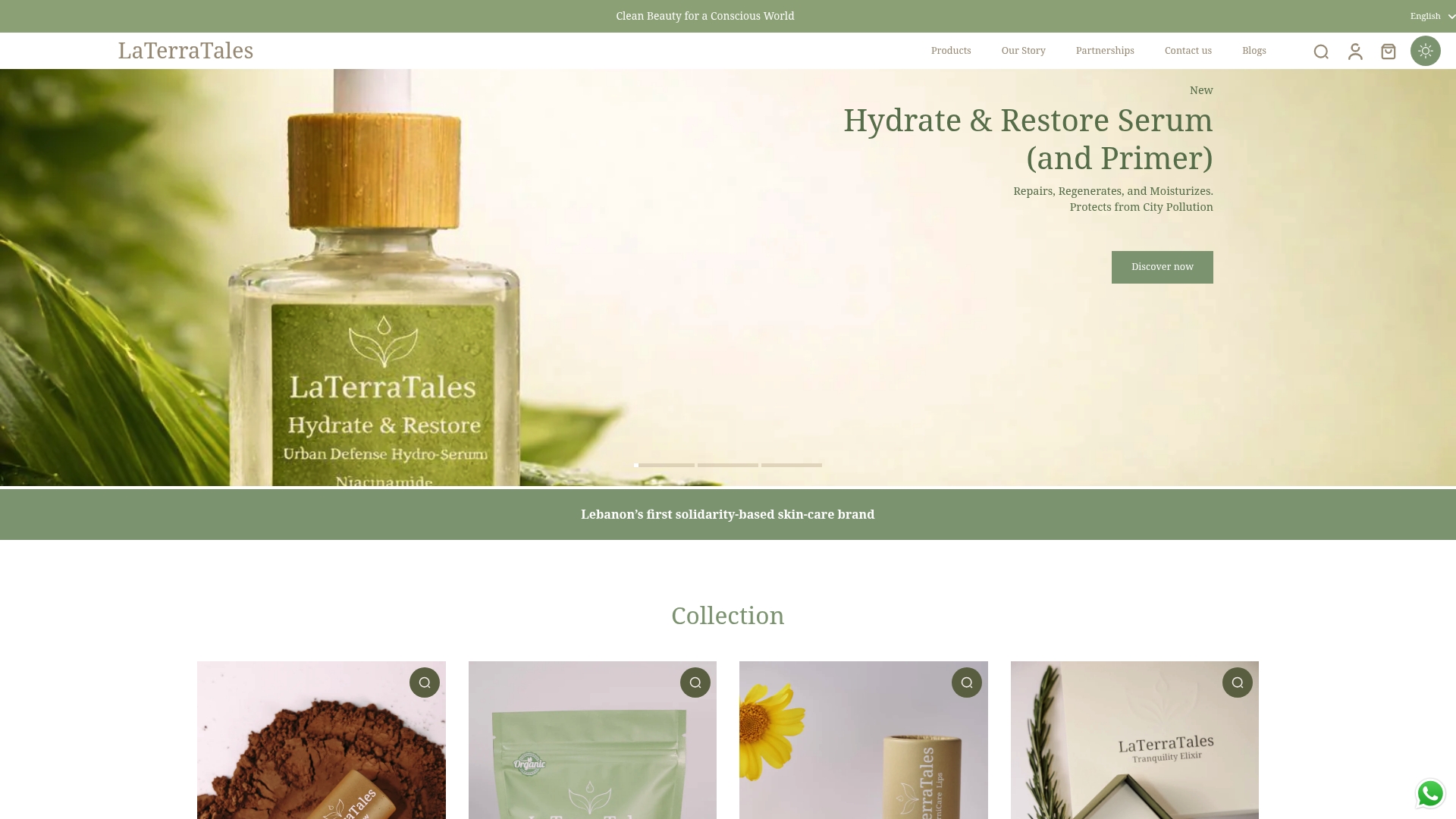
The 100% Natural Handmade Cleanser Bar replaces your pump cleanser, your makeup wipes, and your travel-size bottles in one compact, zero-plastic format. It is dermatologically tested for sensitive skin and lasts significantly longer than a liquid equivalent of the same price. The Prestige Oriental Multi-Purpose Dry Oil is a single bottle that works on face, body, and hair, cutting three single-use products down to one. Browse the full natural skincare collection to find formats designed to stay in your routine, not end up in a landfill after one use.
Sources and further reading
- The Packaging Problem — Pact Collective
- TerraCycle: the #1 beauty recycler · TerraCycle
- Cosmetics Packaging: The Ugly Truth - Earth911
- The beauty industry relies on plastic. Can it change? | National Geographic
- The Hidden Cost Of Beauty: Wasted Resources And Environmental Impact | ShunWaste


