
Herbal Skincare for Sensitive Skin in Lebanon | LaTerraTales
Herb-infused skincare is defined as the practice of steeping whole plant parts in oils, water, glycerin, or alcohol to extract a broad spectrum of bioactive compounds that benefit the skin. Unlike isolated botanical extracts, these infusions preserve complex phytochemical profiles, delivering antioxidant, anti-inflammatory, and regenerative effects in a single preparation. Studies confirm that these extracts address skin barrier dysfunction, oxidative stress, and hyperpigmentation. The result is a category of natural beauty products that blends centuries of herbal tradition with modern dermocosmetic science, making it one of the most credible approaches in plant-based skincare today.
What is herb-infused skincare, and how does it work?
Herb-infused skincare works by transferring the active compounds from plant material into a liquid carrier, which then becomes the functional base of a product. The process is called maceration when herbs soak in a solvent over time, and the resulting liquid carries the plant’s phytonutrients directly to your skin. Herbal infusions extract a spectrum of bioactives beyond what single-ingredient extracts can offer, which is why whole-plant infusions tend to outperform isolated compounds in clinical settings. This is the key distinction between a true herb-infused product and one that simply lists a botanical extract on its label.
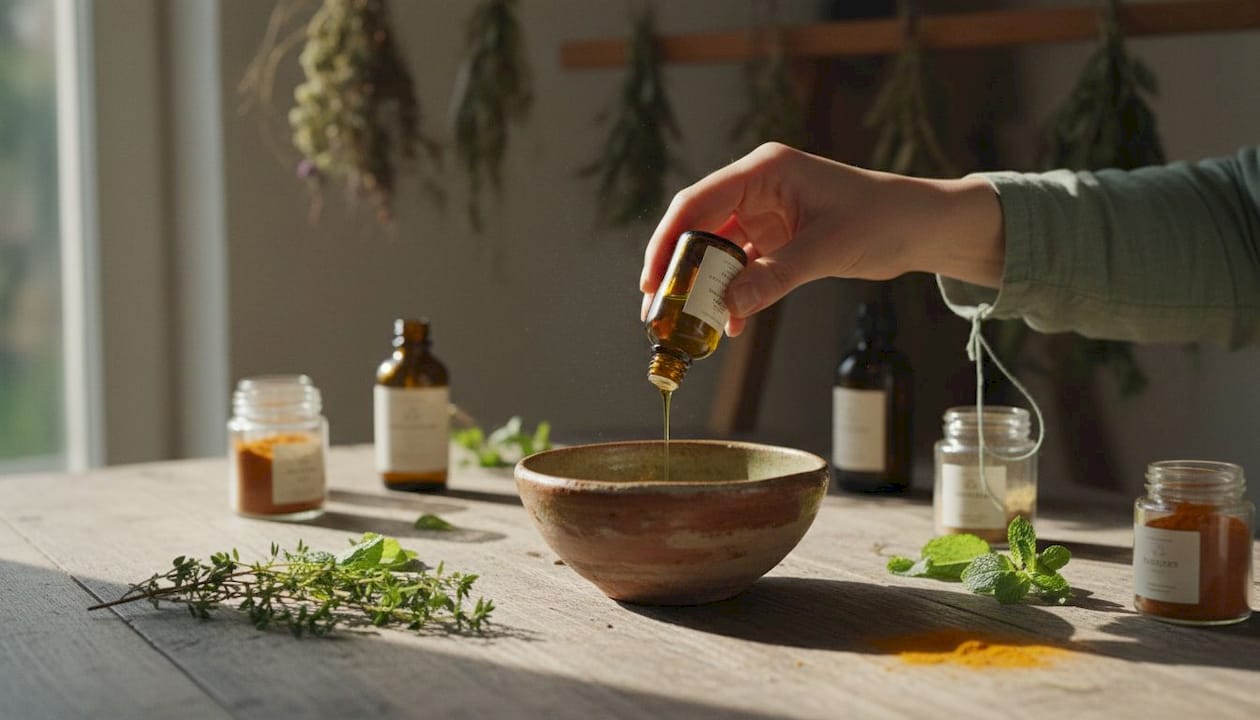
The industry term for products that combine herbal knowledge with pharmaceutical-grade standards is “herbal cosmeceuticals.” Herbal cosmeceuticals combine traditional herbal knowledge with modern safety and efficacy standards, producing potent, stable, and scientifically validated alternatives to synthetic actives. Understanding this term helps you read product claims more critically and identify genuinely effective formulations from marketing noise.
How are herbal infusions made: methods and solvents explained
The infusion method and solvent you choose determine which compounds end up in your product. Solvent choice dictates which phytochemicals are extracted, making it the single most important decision in herbal formulation. Oils pull out lipid-soluble compounds like fat-soluble vitamins and carotenoids. Water extracts hydrophilic compounds like mucilage and water-soluble antioxidants. Glycerin and alcohol each serve specialized roles, capturing different molecular profiles that neither oil nor water can reach.
Cold infusion vs. heat infusion
Cold infusion preserves sensitive phytochemicals like mucilage and antioxidants, making it ideal for gentle formulations targeting reactive or sensitive skin. The trade-off is time: cold infusions can take several weeks to reach full potency. Heat infusion speeds the process to a matter of hours and produces a deeper color and stronger scent, but high temperatures can degrade delicate constituents like volatile oils and certain antioxidants. Choosing between the two depends on the herb, the target compound, and the skin concern you are addressing.
Solvent comparison at a glance
| Solvent | Compounds extracted | Typical uses |
|---|---|---|
| Carrier oil | Lipophilic vitamins, carotenoids, fat-soluble actives | Face oils, body oils, balms |
| Water | Mucilage, water-soluble antioxidants, tannins | Toners, mists, hydrosols |
| Glycerin | Polyphenols, water-soluble and some polar compounds | Serums, sensitive-skin formulas |
| Alcohol | Resins, alkaloids, essential oils | Tinctures, astringent toners |
Pro Tip: Always dry your herbs thoroughly before infusing them in oil. Any residual moisture introduces water into an oil-based medium, which creates the perfect environment for microbial growth and shortens shelf life significantly.
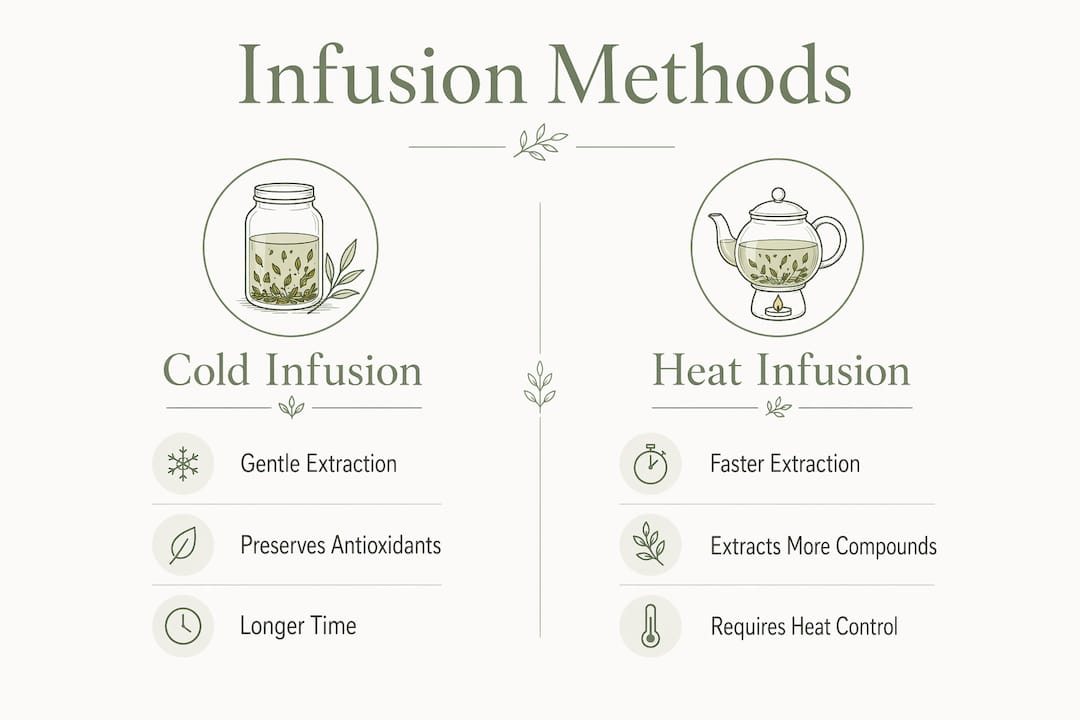
Timing and herb preparation also affect quality. Finely chopped or ground herbs increase surface area and speed extraction, while whole dried herbs infuse more slowly but with less risk of introducing plant debris into the final product. Temperature control during heat infusion matters too: a low, steady warmth around 104°F to 122°F protects volatile compounds far better than a rapid boil.
Which herbs are most effective in infused skincare?
Popular herbs each bring a distinct set of bioactive compounds to a formulation, and understanding their profiles helps you match the right herb to the right skin concern. Popular herbs like calendula, chamomile, lavender, peppermint, and aloe vera offer antioxidant, anti-inflammatory, antimicrobial, and skin barrier benefits supported by both traditional use and modern science. These are not interchangeable. Each herb has a specific mechanism of action, and layering them thoughtfully produces genuinely multifunctional results.
Here is a practical breakdown of the most well-studied herbs and what they do for your skin:
- Calendula: Rich in flavonoids and triterpenoids, calendula soothes redness, supports wound healing, and strengthens the skin barrier. It is especially effective for dry, irritated, or eczema-prone skin.
- Chamomile: Contains the potent anti-inflammatory compound bisabolol, which calms reactive skin, reduces puffiness, and brightens uneven tone over time.
- Lavender: Delivers antimicrobial and antioxidant effects through its linalool content. It works well in formulations for acne-prone or stressed skin.
- Peppermint: Recognized by the European Medicines Agency as a traditional herbal medicinal product, peppermint oil brings strong antimicrobial and anti-inflammatory properties to cosmeceutical formulations.
- Turmeric: Curcumin, its primary bioactive, inhibits melanin production and reduces oxidative stress, making it a go-to for hyperpigmentation and dull skin.
- Aloe vera: Provides deep hydration through polysaccharides, supports barrier repair, and soothes sunburn or post-procedure skin.
Less common but increasingly valued herbs include bakuchiol-yielding Psoralea corylifolia, which functions as a natural retinol alternative, and sea buckthorn, which delivers a concentrated dose of omega-7 fatty acids for barrier restoration. You can read more about how these fit into plant-based skincare ingredients in a broader context.
What are the benefits of herbal skincare for your skin?
The benefits of herbal skincare are well-documented in recent clinical research, and they go beyond surface-level hydration. Clinical trials from 2025 to 2026 verify improved skin hydration, elasticity, and brightness with botanical actives, alongside documented reductions in oxidative stress and inflammation. These are measurable outcomes, not marketing claims.
- Improved hydration and elasticity. Herbal infusions in glycerin or water-based carriers deliver humectant and film-forming compounds that bind moisture to the skin and improve suppleness with consistent use.
- Antioxidant protection. Polyphenols and flavonoids from herbs like green tea, rosehip, and calendula neutralize free radicals generated by UV exposure and pollution, slowing visible aging.
- Reduced redness and irritation. Anti-inflammatory compounds like bisabolol (chamomile) and curcumin (turmeric) calm reactive skin without the side effects associated with corticosteroids.
- Skin barrier support. Fatty acid-rich oil infusions, particularly those using sea buckthorn or rosehip, reinforce the lipid matrix of the stratum corneum, reducing transepidermal water loss.
- Pigmentation regulation. Herbs like turmeric, licorice root, and bearberry contain compounds that inhibit tyrosinase, the enzyme responsible for excess melanin production.
- Sustainable, skin-compatible actives. Botanical infusions meet consumer demand for validated natural actives that are sustainably sourced and gentler on sensitive skin than many synthetic equivalents.
The long-term regenerative effect is what separates herbal infusions from quick-fix synthetic treatments. Your skin responds to consistent, gentle botanical input by rebuilding its own defenses rather than becoming dependent on an external active. That is a meaningful distinction for anyone managing sensitive, reactive, or chronically dry skin. For a deeper comparison, the article on natural vs. synthetic ingredients lays out the evidence clearly.
How to choose and use herb-infused skincare products
Choosing the right herb-infused product starts with understanding your skin type and the solvent used in the formulation. Proper labeling and infusion method transparency help you select products suited to your specific skin concerns, and significant differences exist between DIY preparations and professional formulations in terms of extraction precision and ingredient stability.
When reading a label, look for these signals of quality:
- Named herb and solvent: A quality product specifies both the herb and the carrier (e.g., “calendula in sunflower oil” rather than just “botanical extract”).
- Extraction method: Cold-pressed or slow-macerated infusions retain more sensitive compounds than heat-processed alternatives.
- Concentration: Professional formulations standardize the ratio of herb to solvent, which DIY preparations rarely achieve consistently.
- Preservative system: Water-based herbal infusions require a preservative to remain stable. The absence of one is a red flag, not a selling point.
For your herbal skincare routine, oil-based infusions work best as serums, facial oils, or balms applied after cleansing. Water-based infusions suit toners, mists, and lightweight serums. Glycerin-based infusions layer well under moisturizers for sensitive or dehydrated skin. You can explore how botanical skincare oils fit into each step of a routine.
Pro Tip: Store oil-based herbal infusions away from direct light and heat. Oxidation is the primary cause of rancidity, and a dark glass bottle in a cool cabinet extends shelf life by months without any preservatives needed.
The quiet revolution in botanical formulation
At LaTerraTales, we have watched the conversation around herbal skincare shift from niche wellness interest to mainstream dermocosmetic science, and the shift is overdue. What strikes us most is not the trend itself but the reason behind it: people are tired of ingredient lists they cannot read and results that do not last.
The most important thing we have learned from formulating with botanical infusions is that the method matters as much as the herb. A poorly extracted calendula infusion delivers almost nothing. A cold-macerated one in a quality carrier oil is genuinely transformative for barrier-compromised skin. That gap between intention and execution is where most natural products fail, and it is why we treat our extraction process as seriously as our ingredient sourcing.
Consumers increasingly value multifunctional bioactivities and sustainability in plant-based skincare. We agree, but we would add one thing: they also deserve honesty. “Natural” does not automatically mean safer or more effective. Standardization and safety validation are non-negotiable in modern herbal cosmeceuticals. The brands doing this well are the ones worth your trust and your shelf space.
— LaTerraTales
LaTerraTales herb-infused skincare, made for sensitive skin
At LaTerraTales, every product in our natural skincare collection is formulated with carefully selected botanical infusions, clean solvents, and transparent ingredient sourcing. Our formulas are designed for sensitive skin and backed by dermocosmetic standards, so you get the full benefit of plant intelligence without the guesswork.
From our Bakuchiol Serum Lift & Calm to our Prestige Oriental Dry Oil, each product carries a specific herbal infusion chosen for its clinically supported skin benefit. Our natural skincare collection brings together oils, serums, lip care, and wellness infusions that work in harmony with your skin’s biology. Clean, effective, and kind to the planet.
FAQ
What is herb-infused skincare?
Herb-infused skincare is the practice of steeping whole plant parts in a solvent such as oil, water, or glycerin to extract bioactive compounds that improve skin health. The resulting infusion delivers antioxidant, anti-inflammatory, and regenerative benefits directly to the skin.
How does herb-infused skincare differ from regular botanical extracts?
Herbal infusions preserve a broader spectrum of phytochemicals than isolated extracts, because the whole plant material steeps in the solvent rather than undergoing chemical isolation. This complex phytochemical profile produces more multifunctional skin benefits.
Which herbs are best for sensitive skin?
Calendula, chamomile, and aloe vera are the most well-supported herbs for sensitive skin, offering anti-inflammatory and barrier-repair properties without irritating compounds. Glycerin-based infusions of these herbs are particularly gentle for reactive or dehydrated skin types.
Is DIY herb-infused skincare as effective as professional formulations?
Professional formulations achieve greater extraction precision and ingredient stability than most DIY preparations. Significant differences exist in standardization, preservation, and active concentration, which affect both efficacy and safety over time.
Can herb-infused products replace synthetic skincare actives?
Botanical infusions are validated natural alternatives to synthetic actives for concerns like hydration, inflammation, and pigmentation. They work best as part of a consistent routine rather than as direct one-to-one replacements for high-potency synthetics like retinoids or AHAs.
Key takeaways
Herb-infused skincare delivers clinically supported antioxidant, anti-inflammatory, and barrier-repair benefits by extracting complex phytochemical profiles from whole plant material into oils, water, or glycerin.
| Point | Details |
|---|---|
| Solvent determines benefit | Oil extracts lipophilic actives; water extracts hydrophilic ones; glycerin and alcohol serve specialized roles. |
| Method affects potency | Cold infusion protects sensitive compounds; heat infusion speeds extraction but can degrade delicate actives. |
| Herb selection matters | Calendula, chamomile, turmeric, and peppermint each target specific skin concerns with distinct bioactive mechanisms. |
| Label transparency signals quality | Look for named herb, named solvent, and a stated extraction method to identify genuinely effective products. |
| Natural requires validation | Standardization and safety testing are non-negotiable; “natural” alone does not guarantee efficacy or safety. |


