

How to Soothe Sensitive Skin After a Reaction
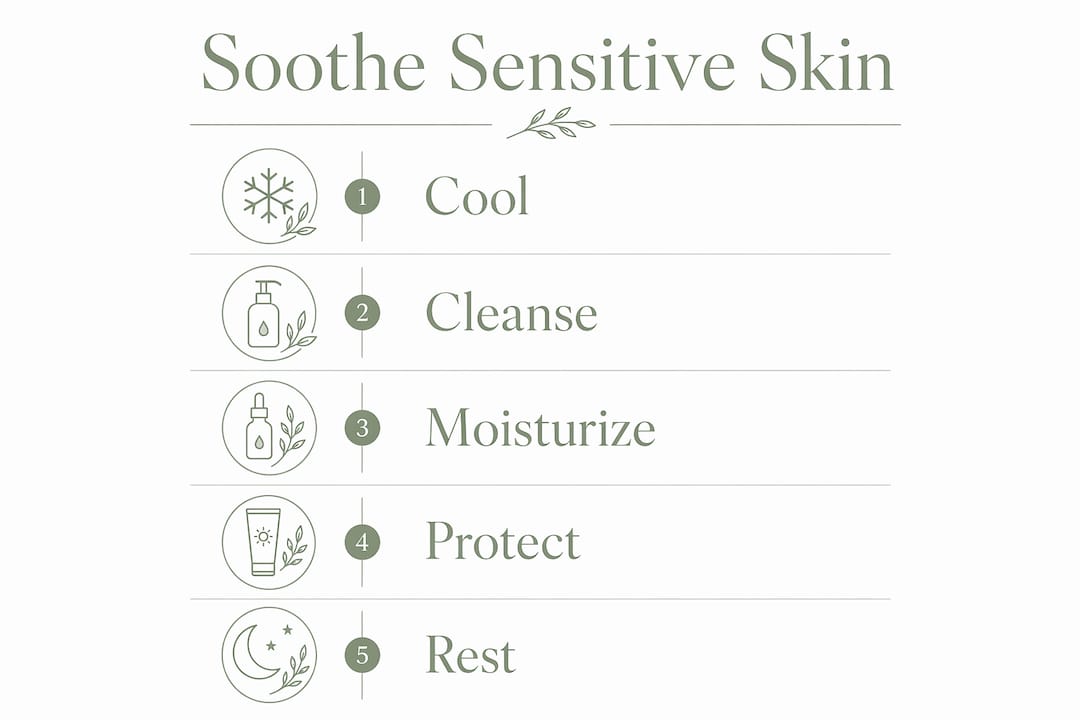
Sensitive skin contact dermatitis is defined as an inflammatory response triggered when the skin barrier is disrupted by an allergen, irritant, or environmental stressor. The fastest way to soothe sensitive skin after a reaction is to cool the area, cleanse gently, and restore moisture immediately. Skipping even one of these steps prolongs redness, itching, and barrier damage. The good news is that most reactions respond well to careful at-home care when you act quickly and choose the right products. LaTerraTales has worked with people who experience reactive skin daily, and the pattern is consistent: gentle, consistent care outperforms aggressive treatment every time.
What gentle cleansing methods help after a sensitive skin reaction?
Gentle cleansing is the first active step in post-reaction skin care, and getting it wrong sets back recovery by days. The goal is to remove residual irritants without stripping the skin’s natural oils or disrupting the already compromised barrier.
Lukewarm water and fragrance-free cleansers preserve the skin barrier and prevent further irritation. Hot water dilates blood vessels and worsens redness, while cold water can cause a shock response. Lukewarm is the only temperature that cleans without adding stress.
Choose a cleanser that is:
- Fragrance-free and hypoallergenic: Synthetic fragrances are among the most common skin sensitizers. Even “natural” scents can trigger reactions on compromised skin.
- Soap-free or low-pH: Traditional soaps have a high pH that disrupts the acid mantle. Look for syndet bars or gel cleansers labeled pH-balanced.
- Free of sulfates and alcohol: Sodium lauryl sulfate and denatured alcohol both strip lipids from the skin surface, slowing healing.
- Minimal in ingredients: Fewer ingredients mean fewer potential triggers. A five-ingredient cleanser is safer than a twenty-ingredient one during recovery.
After rinsing, pat the skin dry with a clean, soft towel. Never rub. Rubbing creates mechanical friction that inflames already sensitized nerve endings and can reopen micro-tears in the skin.
Pro Tip: Rinse your cleanser off for at least 30 seconds. Residue from even gentle cleansers can irritate reactive skin if left on the surface.
Proceed directly to moisturizing while the skin is still slightly damp. That two-minute window after cleansing is when your skin absorbs hydrating ingredients most effectively.
How does moisturizing calm and protect irritated skin?
Moisturizing is not optional after a skin reaction. It is the primary repair mechanism for a damaged barrier. The skin barrier, made up of lipids, ceramides, and natural moisturizing factors, breaks down during a reaction. Replenishing it with the right moisturizer shortens recovery time and reduces the intensity of symptoms.
Fragrance-free, hypoallergenic moisturizers with colloidal oatmeal and ceramides show clinical improvement in skin barrier function and visible redness within one week. That timeline matters because it sets realistic expectations. You will not see full recovery overnight, but consistent moisturizing produces measurable results within days.
The key ingredients to look for include:
- Ceramides: These lipid molecules are the building blocks of the skin barrier. Applying them topically replenishes what the reaction depleted.
- Colloidal oatmeal: The FDA designates colloidal oatmeal as a skin protectant with documented anti-inflammatory properties. It reduces itching and forms a protective film over irritated skin.
- Aloe vera: Aloe contains acemannan, a polysaccharide that calms redness and supports tissue repair. It works best in gel form applied directly to inflamed areas.
- Glycerin and hyaluronic acid: Both are humectants that draw water into the skin. They keep the surface hydrated without adding occlusive weight.
- Shea butter or squalane: These emollients soften the skin and fill in the gaps between damaged skin cells, reducing transepidermal water loss.
Understanding the difference between emollients and occlusives helps you layer products correctly. Emollients like squalane soften and smooth the skin. Occlusives like petrolatum or beeswax seal moisture in by forming a physical barrier on the surface. For reactive skin, apply an emollient first, then seal with a light occlusive if the skin feels very dry or tight.
Pro Tip: Apply your moisturizer within two minutes of cleansing while the skin is still slightly damp. This technique, sometimes called the “soak and seal” method, locks in hydration before transepidermal water loss begins.
Apply moisturizer at least twice daily during recovery: once in the morning and once before bed. If the skin feels tight or itchy between applications, a third application midday is appropriate and beneficial.
What at-home treatments can relieve itchiness and inflammation?
Itching is the most disruptive symptom of a skin reaction. Scratching worsens it by releasing more histamine and creating micro-abrasions that invite infection. The following treatments address itching and inflammation without causing additional damage.
-
Cold compress: Apply a cold compress for 10–15 minutes several times per day. Cold lowers skin temperature and significantly reduces itch perception by slowing nerve signal transmission. Wrap ice in a clean cloth. Never apply ice directly to skin.
-
Oatmeal bath: Prepare an oatmeal bath by placing colloidal oatmeal bags in lukewarm water and soaking for 15–20 minutes. This method delivers anti-inflammatory compounds across a large skin surface area, making it ideal for widespread reactions on the body.
-
OTC hydrocortisone cream: 1% hydrocortisone cream applied twice daily reduces itching and inflammation effectively. Use it for up to one week as directed to minimize the risk of skin thinning. Apply only to the affected area, not surrounding healthy skin.
-
Calamine lotion: Calamine contains zinc oxide, which has mild antiseptic and anti-itch properties. It dries weeping or blistered skin and provides a cooling sensation. Apply with a cotton pad and allow to dry before dressing.
-
Oral antihistamines: Over-the-counter antihistamines like cetirizine or loratadine reduce the histamine response driving the itch. They work systemically and are especially useful when topical treatments alone are not enough.
| Treatment | Best for | Duration |
|---|---|---|
| Cold compress | Acute redness and itch | 10–15 minutes, several times daily |
| Oatmeal bath | Widespread body reactions | 15–20 minutes per session |
| Hydrocortisone 1% | Localized inflammation | Up to 1 week, twice daily |
| Calamine lotion | Weeping or blistered skin | As needed until skin dries |
| Oral antihistamines | Systemic itch response | Per package directions |
Avoid combining multiple anti-itch treatments without medical guidance. Layering hydrocortisone cream and calamine lotion, for example, can interfere with absorption and reduce the effectiveness of both.
Which products and habits make a skin reaction worse?
Recovery stalls when you unknowingly reintroduce the triggers that caused the reaction. Fragranced products, harsh chemicals, and physical scrubbing all exacerbate redness, itching, and delay healing. This applies to every product that contacts your skin, not just your face wash.
Avoid the following during the healing phase:
- Fragranced skincare and makeup: Perfume, essential oils, and synthetic fragrance compounds are top contact allergens. Check ingredient lists for terms like “parfum,” “fragrance,” or specific essential oil names.
- Exfoliants: Physical scrubs, AHAs, BHAs, and retinoids all accelerate cell turnover. On reactive skin, this strips the barrier further and prolongs inflammation. Pause all exfoliation until the skin is fully healed. A guide to ingredients to avoid can help you identify hidden irritants in your current routine.
- Hot showers and baths: Heat increases blood flow to the skin surface and amplifies the inflammatory response. Keep all water lukewarm throughout recovery.
- Scratching: Trimming nails and maintaining a cool environment reduce the damage caused by unconscious scratching. Heat worsens itch perception, so keeping your bedroom cool at night prevents nighttime scratching.
- Scented laundry products: Fabric softeners and fragranced detergents leave chemical residue on clothing and bedding. Switch to fragrance-free, dye-free laundry products during recovery.
- Tight or synthetic fabrics: Nylon, polyester, and wool create friction and trap heat against irritated skin. Loose, 100% cotton clothing minimizes contact irritation and allows the skin to breathe.
Every item on this list is a common mistake that extends recovery unnecessarily. Removing these triggers is as important as adding soothing treatments.
When should you see a doctor for a skin reaction?
Most mild reactions resolve within one to two weeks with proper at-home care. Some reactions, however, signal a more serious problem that requires professional evaluation.
Seek medical care immediately if you experience any of the following:
- A rash that spreads rapidly beyond the initial contact area
- Difficulty breathing, swallowing, or a feeling of throat tightness
- Severe swelling, especially around the eyes, lips, or throat
- Signs of skin infection: warmth, pus, crusting, or increasing pain
- Symptoms that persist beyond one week despite consistent at-home care
- Fever accompanying the rash
“Prompt diagnosis can prevent complications and tailor treatment. Dermatologists can identify the specific allergen through patch testing, prescribe prescription-strength corticosteroids, or recommend targeted antihistamines that go beyond what over-the-counter options provide.”
Allergy testing is particularly valuable for people who experience recurrent reactions without a clear cause. Patch testing exposes small areas of skin to common allergens in a controlled setting and identifies your specific triggers. That information changes your entire approach to product selection and environmental management.
Integrating professional guidance with your at-home routine produces the best outcomes. A dermatologist’s prescription does not replace gentle cleansing and moisturizing. Both work together.
Key Takeaways
The most effective way to calm irritated skin after a reaction is to combine immediate cooling, gentle cleansing, barrier-restoring moisturizers, and strict avoidance of known irritants throughout the healing period.
| Point | Details |
|---|---|
| Cleanse gently and immediately | Use lukewarm water and a fragrance-free, soap-free cleanser to remove irritants without stripping the barrier. |
| Moisturize with ceramides and colloidal oatmeal | Apply within two minutes of cleansing to lock in hydration and support barrier repair. |
| Use cold compresses and OTC treatments | Cold compresses for 10–15 minutes and 1% hydrocortisone cream twice daily reduce itch and inflammation effectively. |
| Eliminate all irritant contact | Remove fragranced products, synthetic fabrics, and scented laundry detergents during the full recovery period. |
| Know when to escalate | See a doctor if the rash spreads, breathing is affected, or symptoms persist beyond one week. |
What I have learned from years of working with reactive skin
The most common mistake people make after a skin reaction is trying to fix it too fast. They reach for stronger products, add more steps, or switch to entirely new routines all at once. Every one of those moves introduces new variables to already stressed skin.
What actually works is doing less, but doing it consistently. A two-step routine of a gentle cleanser and a ceramide-rich moisturizer, repeated twice daily, outperforms a ten-step routine of “calming” products that each carry their own ingredient risks. At LaTerraTales, we see this pattern repeatedly. The people who recover fastest are the ones who strip their routine down to the minimum and hold steady for at least a week.
Lifestyle factors matter more than most people expect. Poor sleep elevates cortisol, which worsens skin inflammation. Dehydration reduces the skin’s ability to repair itself. Stress triggers mast cell activation, which releases histamine and amplifies itching. Addressing these factors is not a soft recommendation. It is part of the clinical picture.
Natural ingredients with real evidence behind them, specifically colloidal oatmeal, aloe vera, ceramides, and squalane, belong in every reactive skin routine. They are not trendy additions. They are the foundation. Choosing clean beauty products with transparent ingredient lists removes the guesswork from recovery and prevents reintroducing the triggers that caused the reaction in the first place.
Patience is the hardest part. Skin barrier repair takes time measured in days and weeks, not hours. Trust the process, protect the barrier, and resist the urge to intervene aggressively.
— LaTerraTales
Gentle skincare for sensitive skin, from LaTerraTales
When your skin is reacting, the last thing you need is a complicated product decision.
LaTerraTales formulates every product with sensitive and reactive skin in mind. The natural skincare collection includes fragrance-free cleansers, barrier-restoring creams, and botanical oils built around ingredients like colloidal oatmeal, squalane, and aloe vera. Each formula is free from synthetic fragrances, harsh sulfates, and unnecessary fillers. The natural cleanser bar is a particularly gentle option for reactive skin: minimal ingredients, no foam-stripping sulfates, and a pH that respects the skin’s acid mantle. Every product is designed to simplify your routine and support recovery, not complicate it.
FAQ
How do I soothe sensitive skin after a reaction at home?
Cool the area with a cold compress for 10–15 minutes, cleanse with a fragrance-free, lukewarm-water wash, and apply a ceramide-rich moisturizer immediately after. Repeat this routine twice daily until symptoms resolve.
What ingredients calm irritated skin fastest?
Colloidal oatmeal, ceramides, aloe vera, and glycerin are the most clinically supported ingredients for calming reactive skin. Colloidal oatmeal carries an FDA skin protectant designation and reduces both itching and redness.
How long does a sensitive skin reaction take to heal?
Most mild reactions improve within three to seven days with consistent gentle care. If symptoms persist beyond one week or worsen, consult a dermatologist for evaluation and targeted treatment.
Can I wear makeup while my skin is reacting?
Avoid makeup during the active reaction phase. Most cosmetics contain fragrances, preservatives, or pigments that can worsen inflammation and delay healing. Wait until redness and itching have fully resolved before reintroducing products.
When is a skin reaction a medical emergency?
A skin reaction becomes an emergency when it is accompanied by difficulty breathing, throat tightness, rapid spreading of the rash, or severe swelling around the face. These signs indicate anaphylaxis and require immediate emergency care.


