

How to Use Facial Oils in Your Luxury Skin Ritual
Facial oils are defined as lipid-based skincare actives that reduce transepidermal water loss and reinforce the skin’s natural barrier. When you use facial oils in a luxury skin ritual, you are not simply adding shine. You are sealing hydration, softening texture, and giving your skin a composed, radiant finish that water-based products alone cannot deliver. For individuals in Lebanon navigating dry winters, humid summers, and city pollution, a well-chosen facial oil is one of the most effective steps you can add to your routine.
How to use facial oils in your luxury skin ritual: choosing the right oil
Choosing the wrong facial oil is the single most common reason people abandon the practice. The right oil depends on your skin type, the local climate, and the extraction quality of the product itself.
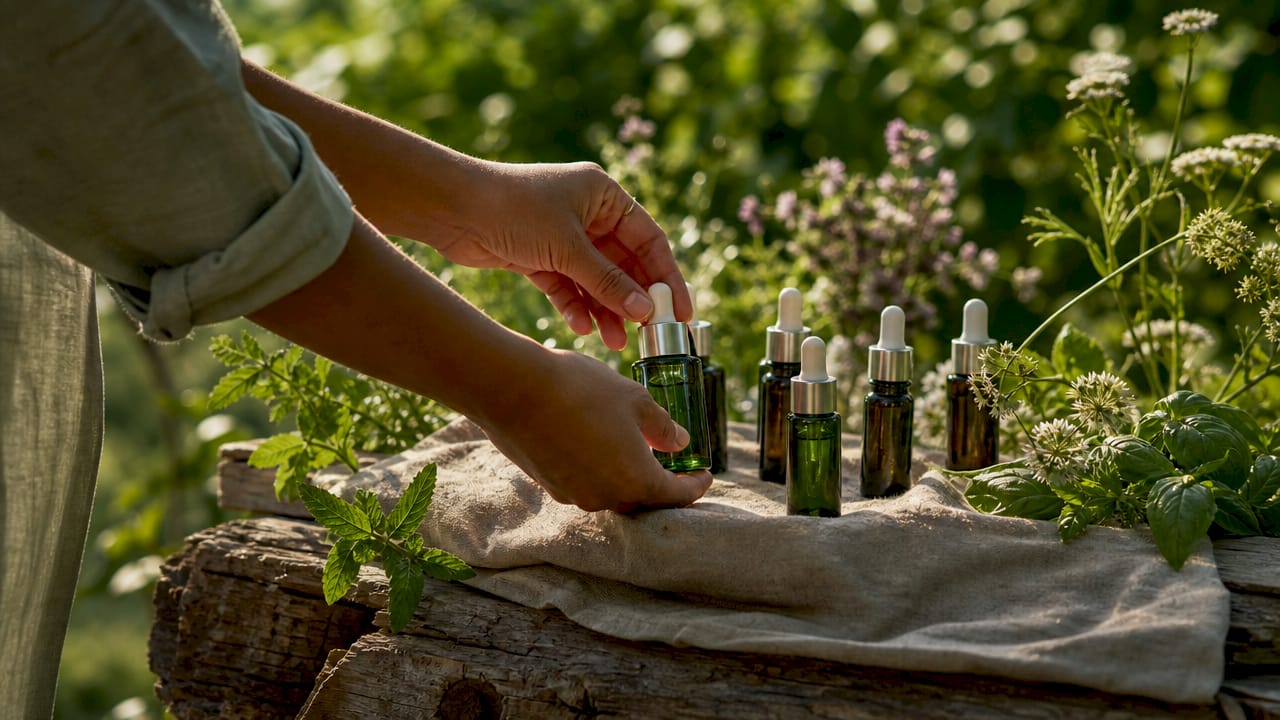
Oils by skin type
Not all oils are created equal, and skin type determines everything.
- Oily and acne-prone skin: Jojoba and squalane are the two most recommended non-comedogenic options. Jojoba mimics the skin’s natural sebum, which signals your skin to produce less of its own. Squalane is lightweight, odorless, and absorbs without leaving residue.
- Sensitive skin: Look for single-ingredient oils with no added fragrance. Squalane and marula oil both score well for tolerability. Marula is particularly rich in oleic acid, which softens and calms reactive skin.
- Mature skin (35–55): Rosehip oil contains natural retinoids and vitamin C precursors that support cell turnover. Barrier-supporting oils contribute to resilience and a healthier appearance in mature complexions. Marula oil also reinforces the barrier while delivering a luxurious, silky texture.
- Combination skin: Rotate oils by zone or season. Use squalane on the T-zone and a richer oil like rosehip on drier cheeks.
What makes a facial oil “luxury”
Luxury facial oils range from $25 to $270, and the price gap reflects real differences in quality. Cold-pressed and CO2-extracted oils retain more active compounds than heat-processed versions. Single-origin sourcing, certified organic ingredients, and minimal preservatives are markers worth paying attention to. A higher price does not always mean better results, but a very cheap oil often signals low-grade extraction that strips out the beneficial fatty acids you are paying for.
Pro Tip: Check the ingredient list for the Latin botanical name of the oil. If you see “fragrance” or “parfum” listed without a named source, the oil likely contains synthetic additives that can irritate sensitive skin.
For a deeper look at how botanical oil types differ in composition and skin benefit, LaTerraTales has a full guide covering the most relevant options for 2026.
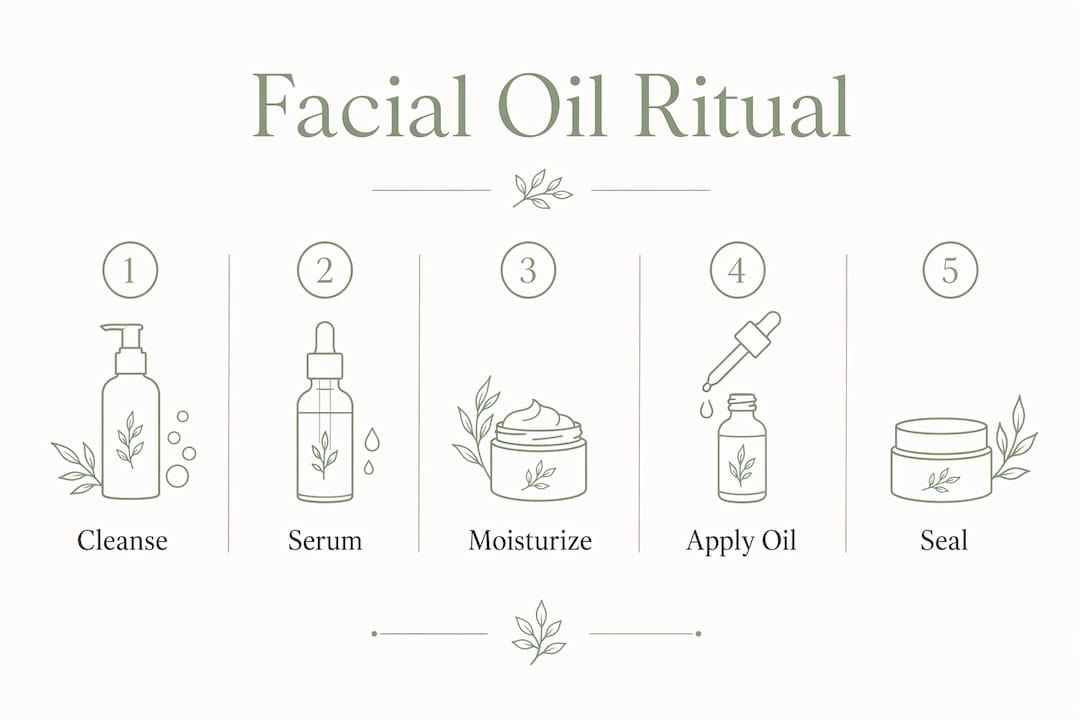
Step-by-step: how to apply facial oils morning and evening
Technique matters as much as product selection. Applying oil at the wrong stage of your routine, or with the wrong motion, reduces absorption and can disrupt the products underneath.
Morning ritual
- Cleanse with a gentle, sulfate-free cleanser or a solid cleansing bar suited to your skin type.
- Apply toner or essence while skin is still slightly damp to prime the surface for absorption.
- Layer your serum next. Water-based serums containing hyaluronic acid or niacinamide go on before any oil.
- Warm 3–5 drops of your chosen facial oil between your palms for five seconds. This step is not optional. Cold oil applied directly to the face absorbs unevenly.
- Press gently onto skin using upward, outward motions. Gentle pressing yields better absorption than rubbing, which can drag and irritate.
- Follow with SPF if your moisturizer does not contain sun protection. Apply sunscreen as the absolute final step.
Evening ritual
The evening routine allows for richer application because your skin repairs itself overnight.
| Step | Product type | Purpose |
|---|---|---|
| 1. Double cleanse | Oil cleanser, then water-based cleanser | Remove SPF, makeup, and pollution |
| 2. Toner | Hydrating or balancing toner | Restore pH, prep for absorption |
| 3. Treatment serum | Active serum (retinol, vitamin C, bakuchiol) | Target specific concerns |
| 4. Moisturizer | Cream or gel moisturizer | Deliver water-based hydration |
| 5. Facial oil | 3–5 drops, pressed in | Lock in hydration, seal the routine |
Pro Tip: In the evening, you can mix one or two drops of facial oil directly into your moisturizer before applying. This technique works especially well for oily skin types who find straight oil application too heavy.
The key principle is that oils applied after serums and moisturizers allow water-based products to absorb fully before the oil creates a sealing layer. Reversing this order traps oil beneath water-based products and reduces the effectiveness of both.
Common mistakes when incorporating oils in your skincare routine
Most problems with facial oils come from application errors, not the oils themselves. Knowing what to avoid saves you weeks of trial and error.
- Using too much. Three to five drops is the standard dose for the full face. More oil does not mean more benefit. Excess product sits on the surface, clogs pores, and leaves skin looking greasy rather than radiant.
- Applying oil before water-based products. Oil creates a barrier. Anything applied on top of it cannot penetrate. Always finish with oil, not start with it.
- Expecting oil to replace moisturizer. Facial oils do not contain water. They seal and protect, but they do not hydrate on their own. Your skin needs both a water-based moisturizer and an oil for complete care.
- Choosing the wrong oil for your skin type. Coconut oil, for example, is highly comedogenic and frequently causes breakouts in oily and acne-prone skin. Stick to non-comedogenic options like jojoba or squalane until you know how your skin responds.
- Ignoring climate changes. Lebanon’s climate shifts significantly between seasons. A heavier marula oil that feels perfect in january may feel suffocating in july. Adjust your oil weight and the number of drops based on humidity and temperature.
“Facial oils represent a shift in skincare philosophy, emphasizing restorative care, patience, and mindfulness over quick results.” Learn more about switching to natural skincare in Lebanon with LaTerraTales’s dedicated guide.
Mixing a drop of facial oil into your moisturizer is a practical solution for oily skin types who want the nourishing benefits of oil without the weight of a separate step. This blending method delivers a luxury texture while keeping the routine simple and manageable.
How luxury facial oils support wellness and mindful self-care
Facial oils do more than improve skin appearance. When used with intention, they become the anchor of a mindful daily ritual that supports both skin health and mental wellbeing.
The combination of beauty and wellness in a facial oil ritual contributes to stress relief, improved sleep quality, and a more grounded self-care experience. The act of warming oil in your hands, breathing in a botanical scent, and pressing it gently into your skin activates the parasympathetic nervous system. That is the same response triggered by meditation and deep breathing.
Pairing facial oil application with tools like gua sha or a jade roller amplifies these benefits. Massaging oils with gua sha supports lymphatic drainage, reduces morning puffiness, and improves circulation for a natural glow that no highlighter can replicate. The technique takes less than three minutes and transforms a routine step into a genuine moment of care.
- Gua sha: Use upward strokes along the jawline, cheekbones, and forehead. Always apply oil first to protect the skin surface.
- Jade roller: Roll outward from the center of the face. Use the smaller end around the eye area.
- Facial massage: Use your fingertips in small circular motions along the temples and jaw to release tension.
“The gracious final step in any luxury skincare ritual is the one that asks you to slow down, breathe, and be present with your skin.”
For individuals aged 20–55 in Lebanon, this ritual dimension is not a luxury add-on. It is a practical tool for managing the stress of daily life while maintaining skin that looks and feels its best. LaTerraTales’s guide on natural oils for skin explains the science behind these benefits in full.
Key Takeaways
Facial oils work best as the final sealing step in a layered skincare ritual, chosen by skin type and applied with a warming, pressing technique for maximum absorption and glow.
| Point | Details |
|---|---|
| Seal, don’t start | Apply facial oil after serums and moisturizer to lock in hydration effectively. |
| Match oil to skin type | Use jojoba or squalane for oily skin; rosehip or marula for mature and sensitive skin. |
| Dose matters | Three to five drops warmed in your palms is the correct amount for the full face. |
| Oil is not a moisturizer | Facial oils seal hydration but do not deliver water; always use both in your routine. |
| Ritual adds real value | Pairing oil with gua sha or facial massage supports lymphatic drainage and stress relief. |
What I’ve learned from years of working with facial oils
The most common misconception I see is that facial oils are only for dry skin. That belief keeps oily and combination skin types from experiencing one of the most effective barrier-support tools available. Jojoba oil, in particular, is structurally closer to human sebum than almost any other plant oil. When oily skin receives the right lipid signal, it often produces less sebum over time, not more.
Patience is the other factor most people underestimate. Facial oils do not deliver overnight results. The barrier-strengthening and hydration-sealing benefits build over weeks of consistent use. Skin that has been stripped by harsh cleansers or over-exfoliated needs time to recognize and respond to restorative care.
My honest recommendation is to start with one oil, use it consistently for four weeks, and observe how your skin responds before adding anything else. Layering multiple oils at once makes it impossible to know what is working. Simplicity is not a compromise. It is the most effective approach to building a ritual that lasts.
The sensory element of a facial oil ritual is also genuinely underrated as a wellness tool. The act of pressing warm oil into your skin at the end of the day is a signal to your nervous system that the day is done. That signal has real physiological value. LaTerraTales was built on exactly this principle: that caring for your skin and caring for your mind are the same act, done at the same time.
— LaTerraTales
LaTerraTales botanical oils for your daily skincare ritual
LaTerraTales formulates every product with the same principle: clean, effective ingredients that respect your skin and the environment.
The natural skincare collection includes botanical oils and complementary products designed specifically for sensitive skin in Lebanon. Each formula is eco-conscious, free from synthetic fragrance, and crafted to work within a layered ritual. If you are building your first luxury oil routine or refining an existing one, the Prestige Oriental Dry Oil is a standout option: a multi-purpose dry oil that absorbs quickly, leaves no residue, and carries a rich botanical scent that turns application into a genuine sensory experience. Pair it with the Bakuchiol Serum for a complete, science-backed ritual that supports both radiance and barrier health.
FAQ
What is the correct order for facial oil in a skincare routine?
Facial oil goes on as the last step in your routine, after serums and moisturizer. This order allows water-based products to absorb fully before the oil seals the surface.
Can oily skin types use facial oils?
Yes. Non-comedogenic oils like jojoba and squalane are well-suited for oily skin. Jojoba mimics natural sebum and can help regulate oil production over time.
How many drops of facial oil should I use?
Three to five drops warmed between your palms is the recommended dose for the full face. Using more does not increase benefits and can leave skin looking greasy.
Do facial oils replace moisturizer?
No. Facial oils do not contain water and cannot hydrate skin on their own. They work best paired with a water-based moisturizer, sealing in the hydration it delivers.
How do facial oils support wellness beyond skincare?
Applying facial oil with techniques like gua sha or gentle facial massage supports lymphatic drainage and activates a relaxation response, contributing to stress relief and improved sleep quality.


