

3 Postpartum Skincare Essentials for Sensitive Breastfeeding Moms
If your skin has gone haywire since giving birth, the safest and most effective response is to pare everything back: a gentle non-stripping cleanser, a fragrance-free barrier-repair moisturizer with ceramides, and a mineral sunscreen. Pause harsher actives like hydroquinone and consider azelaic acid instead. Persistent rashes, spreading irritation, or fever deserve a call to your dermatologist or lactation consultant, not a Google search.
TL;DR:
- Avoid harsh actives like hydroquinone and consider azelaic acid instead, especially if you experience persistent rash, spreading irritation, or fever.
- Use a minimalist routine comprising a gentle cleanser, barrier-repair moisturizer with ceramides, and a mineral sunscreen, reintroducing new products cautiously.
- Postpartum hormonal shifts cause skin dryness, sensitivity, and reactivity, usually resolving within months, but severe or spreading symptoms require medical evaluation.
- During breastfeeding, prioritize topical ingredients like niacinamide and zinc oxide, while avoiding oral or systemic agents such as hydroquinone and oral isotretinoin.
- Select skincare with short ingredient lists, fragrance-free formulas, and pH-balanced cleansers, patch-testing new products on the inner forearm before face application.
Table of Contents
- Your Postpartum Skincare Routine for Sensitive Skin, Step by Step
- Why Does Your Skin Change So Much After Giving Birth?
- Which Ingredients Are Safe While Breastfeeding?
- How Do You Choose Safe Products for Postpartum Skin?
- Managing Acne, Dryness, Melasma, and Nipple Irritation
- How LaTerraTales Fits This Routine
- How Breastfeeding Hormones Change Your Skin Care Needs
- What New Mothers Get Wrong About Postpartum Skincare
- Try a Gentle Postpartum Routine Built for Sensitive Skin
- Sources
Your Postpartum Skincare Routine for Sensitive Skin, Step by Step
You don’t need twelve products. You need three that do their job well, applied in the right order, at the right time.
AM routine:
- Cleanse gently. A cream or oil-based cleanser removes overnight buildup without stripping your barrier. If you’re bleary-eyed early in the morning, this step should take very little time.
- Add an antioxidant, if your skin tolerates it. A light vitamin C serum can help with dullness, but skip it entirely if your skin still feels reactive. This is optional, not mandatory.
- Moisturize with ceramides and humectants. Look for glycerin or hyaluronic acid alongside ceramides. This combination supports barrier repair and calms dryness that’s common after birth.
- Finish with mineral SPF. A tinted formula with iron oxides adds a layer of visible-light protection that matters if you’re dealing with pigment changes.
PM routine:
- Double-cleanse only if you wore heavy makeup that day. Otherwise, one gentle cleanse is plenty.
- Apply a barrier-repair moisturizer, slightly richer than your morning one if your skin feels tight by evening.
- Spot-treat blemishes with a breastfeeding-safe option like azelaic acid rather than reaching for something aggressive.
If you’re building a minimalist kit from scratch, prioritize in this order: gentle cleanser first, barrier moisturizer second, mineral SPF third. Everything else is optional until your skin proves it can handle more.
Pro Tip: Keep a one-week gap before adding any new active product. Postpartum skin reacts unpredictably, and spacing out changes helps you actually identify what’s working.
For a fuller walkthrough of sequencing and timing, this step-by-step sensitive skin routine breaks it down further.
Why Does Your Skin Change So Much After Giving Birth?
Your estrogen levels drop sharply within days of delivery, and that decline reduces your skin’s ability to hold onto moisture while thinning the dermal layer that keeps it resilient. This is the single biggest driver behind the dryness, tightness, and reactivity so many new mothers notice almost overnight.
Cortisol compounds the problem. Combine chronic sleep deprivation with the stress of caring for a newborn, and your skin barrier takes a second hit. Breakouts along the jawline, patches of eczema that weren’t there before, and general sensitivity are common byproducts of this hormonal one two punch.
Most of this resolves on its own. For many mothers, skin settles down somewhere between a few weeks and a few months as hormone levels stabilize. That said, a few signs mean you shouldn’t wait it out:
- Intense, persistent itching that disrupts sleep or daily function
- A rash that spreads rather than fades
- Fever alongside any skin symptom
- Hair loss paired with fatigue, weight changes, or mood shifts, which can point to postpartum thyroiditis rather than a purely dermatological issue
Mayo Clinic’s guidance on postpartum skin changes is a solid starting point if you’re trying to figure out whether what you’re seeing is normal or worth a clinical visit.
Which Ingredients Are Safe While Breastfeeding?
Not every “gentle” claim on a label holds up once you’re nursing. Some ingredients pass into breast milk in meaningful amounts; others barely register. Knowing the difference saves you from unnecessary panic and unnecessary risk in equal measure.
Ingredients to pause or avoid:
- Hydroquinone, a common skin-lightening agent, is generally advised against during breastfeeding due to absorption concerns.
- Oral isotretinoin is contraindicated outright. There’s no safe workaround here.
- Certain chemical sunscreen filters, including oxybenzone, show higher systemic absorption than mineral alternatives, which is why zinc oxide and titanium dioxide sunscreens are the preferred choice for nursing mothers.
Safe, dermatologist-supported alternatives:
- Azelaic acid for pigmentation and acne, without the risk profile of stronger bleaching agents
- Niacinamide for barrier support and redness
- Ceramides and hyaluronic acid for hydration without irritation
- Topical benzoyl peroxide, azelaic acid, and retinoids are considered probably low risk when breastfeeding, though DermNetNZ recommends minimizing direct skin contact between treated areas and your infant, particularly around the chest.
The distinction between oral and topical matters more than most product labels let on. A topical azelaic acid cream and an oral acne medication carry entirely different risk profiles, even though both target the same problem. If you’re unsure which category a product falls into, check the ingredient list against a resource like this guide to ingredients worth avoiding before adding it to your routine.
Always patch test on your inner forearm 48 hours before applying anything new to your face, and wash your hands after applying topical treatments to avoid transferring residue to your baby’s skin.
How Do You Choose Safe Products for Postpartum Skin?
Shopping for skincare while sleep-deprived and researching ingredient safety at 2 a.m. is nobody’s idea of fun. A short mental checklist makes it faster.
Run through these criteria before adding anything to your cart:
- Fragrance-free, not just “unscented,” since masking fragrances can still trigger reactions
- Short ingredient lists, ideally under 15 to 20 ingredients
- Ceramides, glycerin, or hyaluronic acid somewhere near the top of the list
- Non-comedogenic labeling if you’re prone to postpartum breakouts
- pH-balanced cleansers, generally in the 4.5 to 5.5 range, to avoid disrupting your acid mantle
- Mineral SPF with zinc oxide or titanium dioxide as the active ingredient
Labels like “hypoallergenic” and “dermatologist-tested” sound reassuring but carry no regulated definition in the United States. Treat them as a mild positive signal, not proof of safety. What matters more is the actual ingredient list.
When reintroducing a stronger active, experts recommend adding one product at a time and waiting one to two weeks before judging whether your skin tolerates it. Layering three new products in the same week makes it nearly impossible to identify what caused a reaction if one shows up.
Pro Tip: Patch test on the inside of your wrist, not your face. If irritation shows up there, you’ve avoided a breakout in a spot you can’t easily cover.
Managing Acne, Dryness, Melasma, and Nipple Irritation
Postpartum skin rarely presents just one problem. Here’s how to handle the most common ones without overcomplicating things.
Acne: Cleanse gently twice daily and reach for azelaic acid rather than benzoyl peroxide as your first move. Benzoyl peroxide isn’t off-limits, but its drying effect can worsen an already-compromised barrier. Save it for stubborn spots only, and check with a clinician before using it consistently.
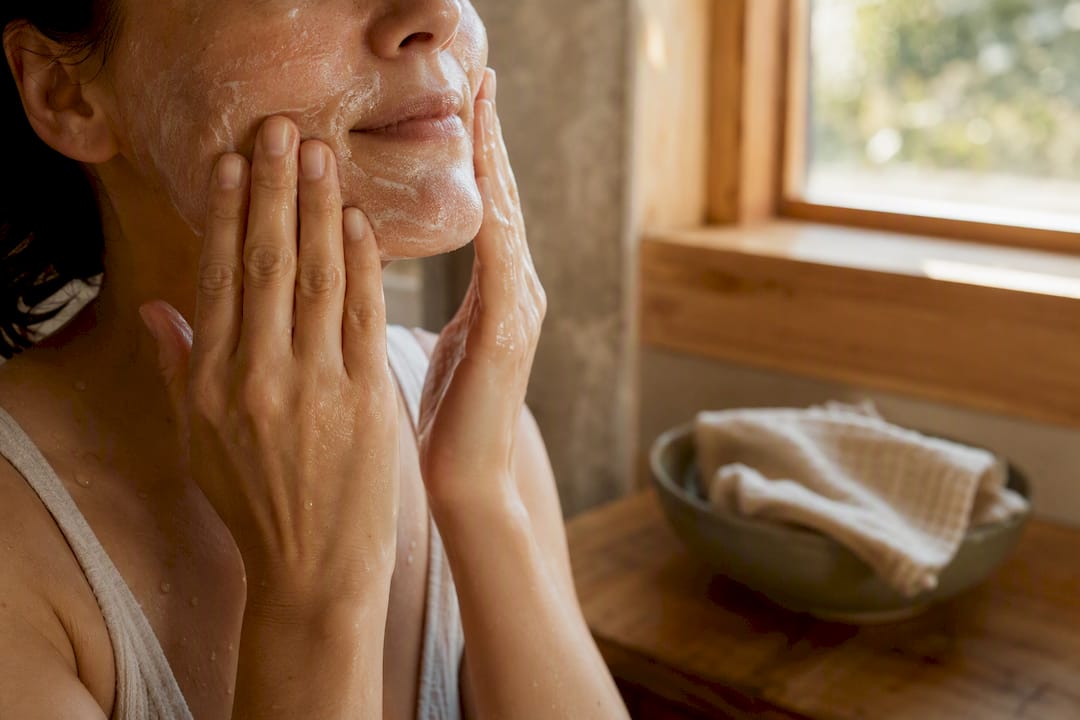
Dryness and eczema: Ceramide-rich emollients applied while skin is still damp lock in more moisture. If patches persist or worsen, a short course of low-potency topical steroid can help, but only after a clinician has confirmed it’s appropriate. At night, a thin layer of an occlusive balm over your moisturizer helps seal everything in.

Hyperpigmentation and melasma: Daily mineral SPF is non-negotiable here, and a tinted version with iron oxides adds protection against visible light, which regular sunscreen doesn’t cover. Stronger treatments like hydroquinone should wait until you’ve been cleared to use them postpartum or have finished breastfeeding.
Nipple and areola care: Cracked or painful nipples are common in the early weeks. Use a lanolin-based or medical-grade nipple balm after each feeding, and let nipples air-dry when possible.
- Apply balm generously after every feeding session.
- Change nursing pads frequently to avoid trapped moisture.
- Contact a lactation consultant if pain persists beyond the first week or you notice bleeding, deep cracks, or signs of infection.
How LaTerraTales Fits This Routine
LaTerraTales built its formulas around exactly the principles this routine calls for: short ingredient lists, no unnecessary fragrance, and a genuine focus on barrier repair rather than aggressive results. Every product is designed with sensitive skin as the baseline, not an afterthought.
Here’s how the categories map onto your AM and PM steps:
- A solid cleansing bar replaces the gentle cleanse step, without sulfates or stripping surfactants
- A botanical body and hair oil works as an occlusive layer for dry, tight skin at night
- Hydrating creams formulated with humectants support the moisturizer step in both your morning and evening routine
Formulation decisions at LaTerraTales are guided by dermatological safety principles and a preference for minimal, purposeful ingredient lists over long, marketing-driven ones.
How Breastfeeding Hormones Change Your Skin Care Needs
Nursing keeps prolactin elevated and estrogen suppressed for as long as you continue breastfeeding, which is a different hormonal environment than late pregnancy or the first days postpartum. That prolonged estrogen suppression is part of why some mothers find their skin stays drier and more reactive for months rather than weeks, especially if they’re breastfeeding exclusively.
This has a practical effect on your skincare decisions, not just your biology. Because you’re navigating an extended window of lower estrogen, patience with barrier repair matters more than chasing quick fixes. Products that would normally feel excessive, like a heavier night cream or a daily occlusive balm, often make more sense during this stretch than they would outside of it.
It also means the “wait it out” approach some people apply to early postpartum dryness doesn’t always hold for breastfeeding mothers. If your skin hasn’t improved after a few months on a consistent, gentle routine, hormonal suppression from nursing may be part of the reason, not a sign that something else is wrong. Adjusting your moisturizer to something richer, or adding a barrier oil at night, tends to help more than switching cleansers or adding new actives.
Every ingredient decision during this window should run through the same filter: is it something that’s been evaluated for use during lactation, and does it address the barrier issue at hand rather than just the visible symptom.
What New Mothers Get Wrong About Postpartum Skincare
Most postpartum skincare advice online swings to one extreme or the other: either “just use whatever you used before” or a fear-driven list of forty ingredients to avoid. Neither serves you well. Your skin genuinely is different right now, chemically and structurally, and treating it like pre-pregnancy skin ignores that reality.
The bigger error we see is mothers assuming sensitivity means doing less is always safer. It’s not about doing less. It’s about doing the right, narrow set of things consistently: cleanse, moisturize, protect. Skipping sunscreen because “it’s just one of many things I’m too tired to do” is far riskier for melasma than skipping a serum you weren’t sure about anyway.
Prioritize barrier repair before anything else. Ceramides and mineral SPF do more heavy lifting than any trending active ingredient will during these first few months. Everything else can wait until your skin tells you it’s ready.
— LaTerraTales
Try a Gentle Postpartum Routine Built for Sensitive Skin
LaTerraTales formulates around the exact checklist your postpartum skin needs right now: fragrance-free options, short ingredient lists, and barrier-supporting actives like ceramides and botanical oils, without the guesswork of decoding a dozen unfamiliar labels.
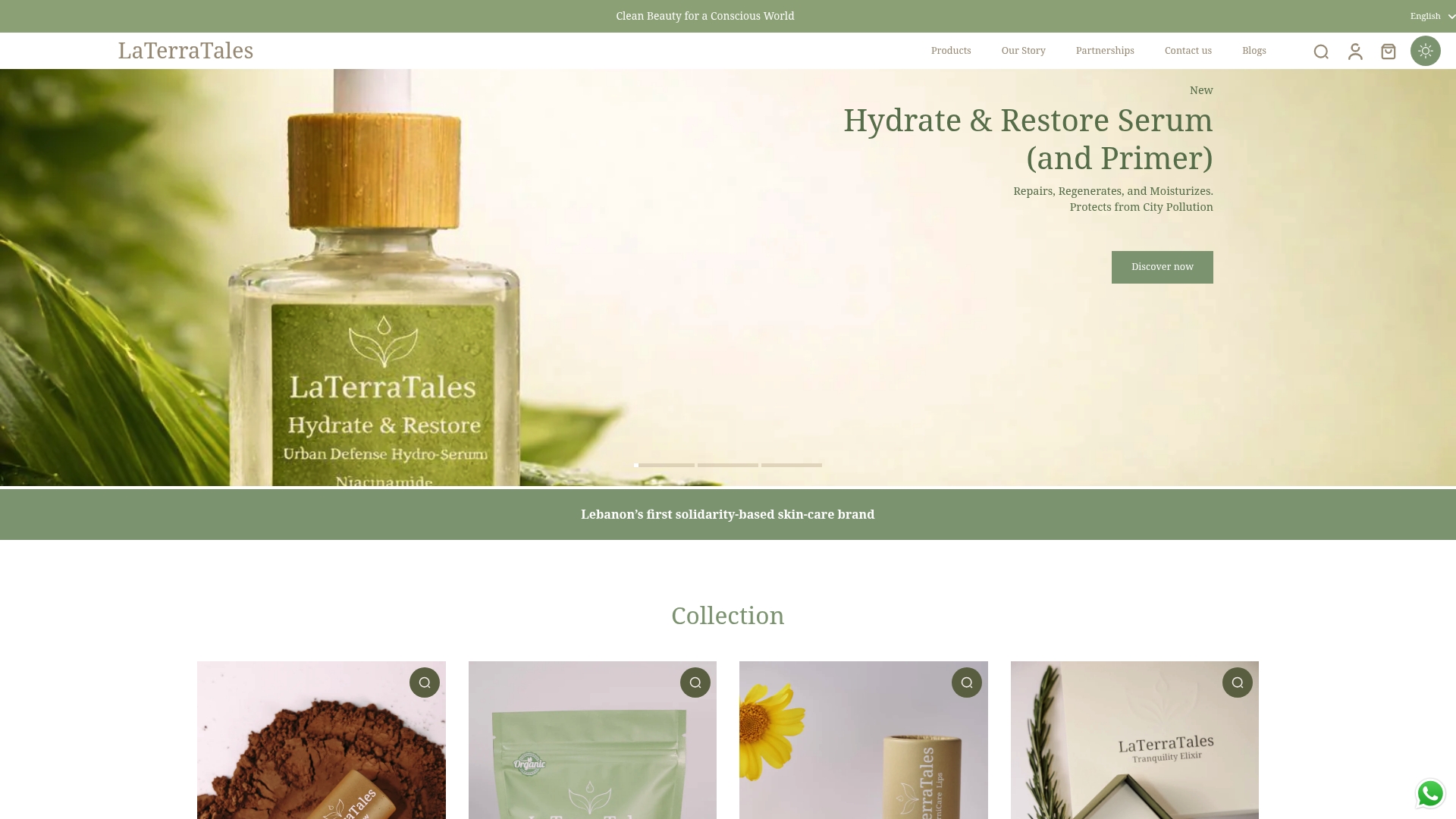
If you’re ready to simplify, the natural skincare collection for sensitive skin is a practical place to start, built around minimal, gentle formulas rather than long ingredient decks. Pair it with the solid cleansing bar for a fragrance-free morning cleanse that won’t strip an already-stressed barrier. Browse the collection and pick the first product that matches whichever step in your routine needs the most help today.
Sources
- Sunscreens and systemic absorption (PMC article)
- Lactation and medications used in dermatology – DermNetNZ
This article is general information, not a substitute for advice from a qualified doctor. Consult a qualified healthcare professional about your own circumstances before acting on anything here.


