
Switch Conventional to Natural Skincare: A Lebanon Guide
Switching conventional to natural skincare means replacing petrochemical-heavy formulas with plant-based alternatives that prioritize ingredient transparency, skin compatibility, and environmental responsibility. Clean beauty, the recognized industry term for this shift, is not simply a trend. Ingredient transparency is the primary driver pushing consumers away from synthetic-heavy products and toward formulations they can actually read and trust. For Lebanese consumers navigating a market flooded with greenwashing claims, understanding what “natural” really means, and how to transition safely, is the difference between glowing skin and a frustrating setback.
Why switch conventional to natural skincare?
The core reason to make this switch is simple: conventional skincare often contains synthetic fragrances, petrochemical derivatives, and preservatives that trigger irritation, especially on sensitive skin. Many users report reduced irritation and clearer skin after simplifying to plant-based products. That outcome is not accidental. Plant-based actives like aloe vera, rosehip oil, and bakuchiol deliver antioxidant and moisturizing benefits that work with your skin barrier rather than against it.
One critical clarification: “natural” is a marketing term without universal regulation. Effectiveness depends entirely on ingredient quality and formulation, not the label on the front of the bottle. This is why certifications, careful label reading, and choosing brands with genuine transparency matter far more than buzzwords.
The environmental case is equally strong. Conventional formulas rely heavily on petrochemicals that do not biodegrade cleanly. Switching to organic beauty means supporting farming practices that reduce chemical runoff and choosing packaging designed to minimize waste. For consumers in Lebanon, where environmental awareness is growing alongside skin sensitivity concerns, the motivation to transition to natural cosmetics is both personal and ecological.

What you need before you start your transition
A successful switch starts with honest self-assessment, not product shopping. Know your skin type, your known sensitivities, and the specific concerns you want to address, whether that is dryness, acne, hyperpigmentation, or redness.
Reading labels the right way
Ingredient lists on natural skincare products follow INCI (International Nomenclature of Cosmetic Ingredients) naming conventions. Ingredients appear in descending order by concentration. If a plant extract appears near the bottom of a long list, its effect is minimal regardless of how prominently it features in the marketing copy. Look for products where botanical actives appear in the top half of the ingredient list.
COSMOS and ECOCERT certifications are the most reliable standards for verifying natural and organic claims. These certifications require a defined proportion of organic ingredients and restrict synthetic additives. Standards vary globally, so a product certified in Europe may meet stricter criteria than one certified elsewhere. In Lebanon, where local regulation of cosmetic labeling is less stringent, these international certifications are your strongest consumer protection.
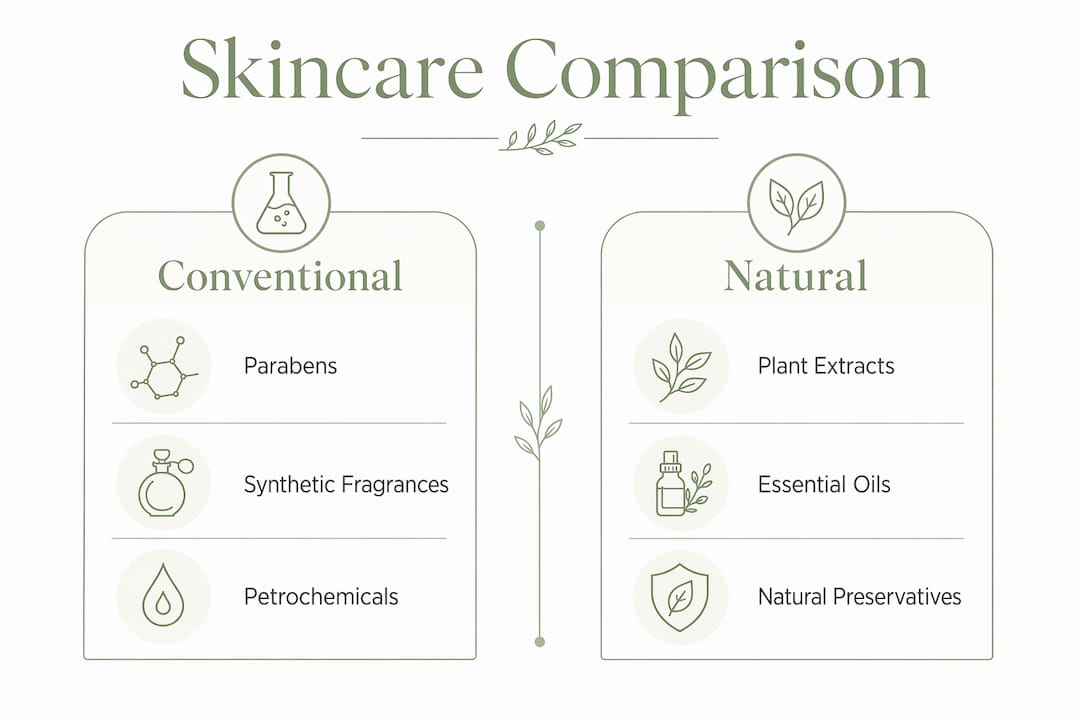
Conventional vs. natural: what changes in the formula
| Feature | Conventional Skincare | Natural Skincare |
|---|---|---|
| Preservatives | Parabens, formaldehyde releasers | Vitamin E, rosemary extract, phenoxyethanol |
| Fragrance | Synthetic fragrance blends | Essential oils or fragrance-free |
| Actives | Synthetic retinol, AHAs at high concentrations | Bakuchiol, fruit enzymes, botanical acids |
| Sunscreen filters | Chemical UV filters (oxybenzone) | Zinc oxide, titanium dioxide |
| Packaging | Often single-use plastic | Recyclable, refillable, or biodegradable |
Build your starter kit around three core products: a gentle cleanser, a moisturizer suited to your skin type, and a broad-spectrum sunscreen. The 100% natural handmade cleanser bar from Laterratales is a practical first step, formulated specifically for sensitive skin and free from synthetic detergents.
How to switch from conventional to natural skincare step by step
The most common mistake is replacing your entire routine at once. Your skin needs time to adjust to new formulations, and swapping everything simultaneously makes it impossible to identify which product is causing a reaction if one occurs.
-
Start with your cleanser. Replace your conventional face wash first. A cleanser contacts your skin briefly and rinses off, making it the lowest-risk starting point. Use your new natural cleanser for two to three weeks before introducing anything else.
-
Add your moisturizer next. Once your skin has settled with the new cleanser, introduce a plant-based moisturizer. Look for ingredients like shea butter, jojoba oil, or hyaluronic acid derived from fermentation. Give it another two to three weeks.
-
Introduce targeted serums carefully. Plant-based actives like bakuchiol (a natural retinol alternative), niacinamide, and squalane are well-tolerated by most skin types. The bakuchiol and squalane serum from Laterratales delivers lifting and calming benefits without the irritation risk that synthetic retinol carries, making it ideal for this stage of your transition.
-
Patch test every new product. Apply a small amount to the inside of your wrist or behind your ear. Wait 24–48 hours before applying it to your face. This step is non-negotiable, even for products labeled “gentle” or “sensitive skin.”
-
Address sunscreen last and carefully. Broad-spectrum sun protection is best achieved with some synthetic or mineral UV filters. Zinc oxide and titanium dioxide are mineral-based and considered safe, but purely “natural” sunscreens without these actives do not provide adequate SPF. Do not compromise on this step for the sake of going fully chemical-free.
-
Consult a dermatologist if you have active skin conditions. Rosacea, eczema, and acne-prone skin require professional guidance before switching product categories. A dermatologist can confirm which natural ingredients are safe for your specific condition.
Pro Tip: When introducing essential oils or botanical extracts, always check the dilution percentage. Many natural products use essential oils at concentrations that can irritate sensitive skin. A product with lavender or tea tree oil near the top of the ingredient list warrants extra caution during patch testing.
What challenges should you expect during the transition?
Your skin may react during the first few weeks of switching, and that reaction does not always mean the product is wrong for you. Understanding the difference between a purge and an allergic reaction is the most useful skill you can develop during this process.
A skin purge happens when new actives accelerate cell turnover, pushing congestion to the surface faster than usual. It typically appears as small whiteheads or pimples in areas where you already break out. A purge usually resolves within four to six weeks. An allergic reaction, by contrast, appears as redness, hives, or itching in areas where you do not normally break out, and it does not improve with continued use.
Natural herbal ingredients can cause allergies or irritation just as synthetic ingredients can. “Natural” does not mean hypoallergenic. Common natural irritants include essential oils (especially citrus and cinnamon), lanolin, and certain botanical extracts like chamomile, which cross-reacts with ragweed allergies.
Watch for these warning signs and act accordingly:
- Persistent redness or burning that does not subside after 30 minutes: discontinue the product immediately.
- Swelling around the eyes or lips: stop use and seek medical advice.
- Worsening breakouts after six weeks: the product may not suit your skin type, not just your routine.
- Peeling or flaking beyond mild dryness: reduce application frequency before discontinuing entirely.
- Any reaction that spreads beyond the application area: consult a dermatologist promptly.
Some natural products on the market contain unsafe substances or contaminants. If you experience a serious reaction, discontinue use and seek professional consultation rather than pushing through.
Greenwashing is a real risk in the Lebanese market. A product labeled “natural” or “organic” without a recognized certification may still contain synthetic preservatives, artificial dyes, or undisclosed fragrance compounds. Always cross-reference the ingredient list against the certification claim.
Why sustainable natural skincare matters in lebanon
Lebanon’s environmental context makes the case for sustainable skincare more urgent than in many other markets. Coastal pollution, urban air quality, and limited waste management infrastructure mean that the products you wash down the drain and the packaging you discard have a direct local impact.
Consumers are increasingly holding brands accountable for full formulation lists and sustainable sourcing. This accountability is not just ethical posturing. It reflects a genuine shift in how people evaluate long-term skin health alongside ecological health. Biodegradable ingredients break down without releasing persistent chemicals into water systems. Sustainable packaging, whether glass, aluminum, or compostable materials, reduces the plastic burden on Lebanese landfills and coastlines.
Supporting local and regional natural beauty brands also matters. Brands with French-Lebanese heritage like Laterratales source ingredients with an understanding of the regional climate and skin concerns specific to Mediterranean skin types. Products formulated for the humidity, sun intensity, and urban stress of Lebanese life perform differently than generic imports designed for Northern European skin.
Traditional skincare formulas often blend natural and synthetic ingredients to hit specific efficacy targets. The best natural skincare brands do the same in reverse: they start with plant-based actives and add only the synthetic components, like mineral sunscreen filters or stable preservatives, that genuinely improve safety or performance. That balanced approach is what separates credible clean beauty from marketing theater.
Pro Tip: When evaluating a brand’s sustainability claims, look beyond the packaging. Ask whether the brand publishes its full ingredient sourcing, whether it holds a recognized certification like COSMOS or ECOCERT, and whether it discloses its manufacturing practices. Brands that answer these questions openly are the ones worth your trust and your money.
Key takeaways
Switching from conventional to natural skincare works best when you transition gradually, verify certifications, and treat your skin’s reactions as data rather than failures.
| Point | Details |
|---|---|
| Gradual product replacement | Replace one product at a time, starting with your cleanser, to isolate reactions. |
| Certification verification | Look for COSMOS or ECOCERT labels to confirm genuine natural and organic claims. |
| Patch test every product | Test on your wrist or behind your ear for 24–48 hours before full application. |
| Natural does not mean safe for all | Plant-based ingredients can still cause allergies; monitor your skin closely. |
| Sustainability has local impact | Biodegradable formulas and sustainable packaging reduce environmental harm in Lebanon. |
What we’ve learned from helping lebanese skin make the switch
At Laterratales, we have worked with sensitive skin across Lebanon long enough to recognize a pattern: most people who struggle with the transition are not using the wrong products. They are moving too fast. The skin is not a machine you can reprogram overnight. It has a memory, a rhythm, and a tolerance threshold that deserves respect.
One misconception we hear often is that natural skincare is inherently weaker than conventional formulas. That is not accurate. Natural actives must be carefully formulated to match performance needs, and when they are, the results are real. Bakuchiol, for example, has clinical evidence supporting its retinol-like effects without the peeling and photosensitivity. Squalane mimics the skin’s own sebum so closely that even acne-prone skin tolerates it well.
We also want to be honest about limitations. Some synthetic ingredients, particularly broad-spectrum UV filters, currently outperform their natural counterparts. We do not believe in purity for its own sake. We believe in formulas that actually work, that are as clean as the science allows, and that you can use with confidence every day. That is the standard we hold ourselves to, and the standard we encourage you to apply when evaluating any brand.
Patience is not passive. Tracking your skin’s response, adjusting one variable at a time, and giving each product a fair trial window is active, informed self-care. Your skin will tell you what it needs. Your job is to listen carefully.
— Laterratales
Start your clean beauty transition with Laterratales
Ready to make the switch with products you can actually trust? Laterratales designs every formula for sensitive, reactive skin, using clean ingredients backed by science and inspired by the natural richness of the Mediterranean.
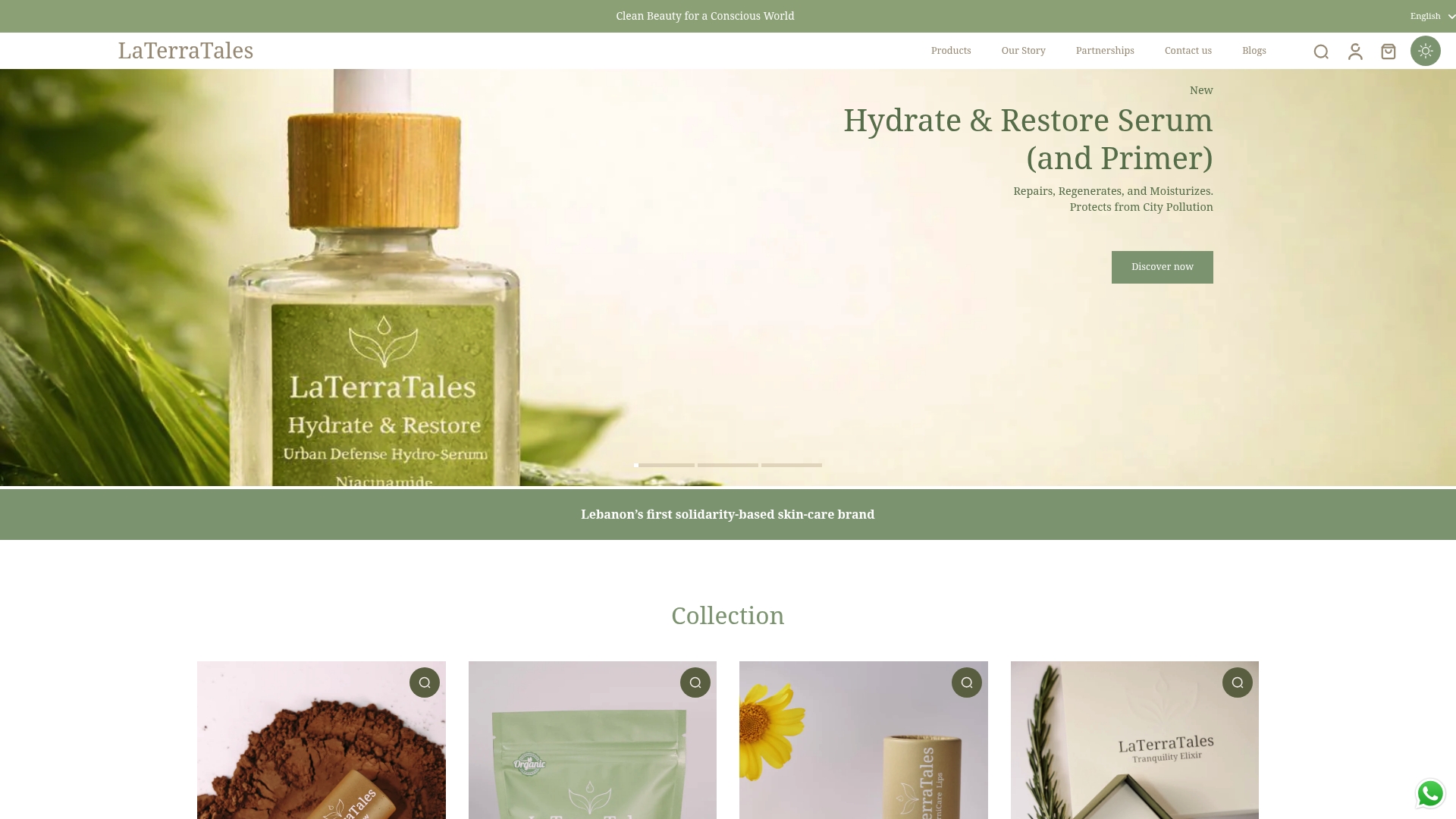
Whether you are replacing your first cleanser or building a complete chemical-free skincare routine, the natural skincare collection at Laterratales gives you a curated starting point. Not sure where to begin? Take the personalized diagnostic quiz to find the right products for your skin type, concerns, and transition stage. Every product is formulated without compromise, because your skin deserves clarity, not confusion.
FAQ
What does it mean to switch to natural skincare?
Switching to natural skincare means replacing conventional products that contain synthetic fragrances, petrochemicals, and harsh preservatives with plant-based formulas that prioritize ingredient transparency and skin compatibility. The process is best done gradually, one product at a time.
How long does the natural skincare transition take?
Most skin types need four to twelve weeks to fully adjust to a new natural skincare routine. Introduce one product every two to three weeks and monitor your skin’s response before adding the next.
Are natural skincare products safe for sensitive skin?
Natural ingredients can still cause allergic reactions, so “natural” does not automatically mean safe for sensitive skin. Patch testing every new product and avoiding high concentrations of essential oils reduces your risk significantly.
What certifications should i look for on natural skincare products?
COSMOS and ECOCERT are the most recognized international certifications for natural and organic cosmetics. These labels confirm that a defined proportion of ingredients are organic and that synthetic additives are restricted.
Is a fully chemical-free skincare routine realistic?
A fully chemical-free routine is not entirely achievable, since even water is a chemical. The realistic goal is a clean beauty routine that minimizes synthetic irritants, uses plant-based actives where effective, and relies on proven mineral options like zinc oxide for sun protection.


