

How to Create a Holistic Self-Care Ritual at Home
Your starter ritual needs just three steps: set a brief intention, practice one body-mind activity, then close with a sensory signal that tells your nervous system you’re done. Anyone feeling stretched thin by daily demands benefits most, especially those who’ve tried rigid routines and abandoned them within a week. A concrete version to copy right now: choose any combination of short practices, such as a few minutes in warm water or gentle stretching, brief breathwork or journaling, and a moment applying face oil by candlelight as your closing cue. The timing is adjustable; even a two-minute practice maintains the ritual. The sample ritual above is just one example. Your own ritual may be much shorter or longer, and the time spent on each step should flex based on your needs and available energy.
Key Takeaways
A sustainable holistic self-care ritual requires three things: a sensory anchor that starts it automatically, 2–3 practices spanning physical and emotional care, and a flexible rhythm that survives missed days without breaking.
| Point | Details |
|---|---|
| Start with three steps | Set an intention, practice one body-mind activity, close with a sensory anchor to signal completion. |
| Rhythm beats routine | Treating your ritual as a flexible rhythm rather than a rigid rule increases long-term adherence significantly. |
| Two minutes is enough | On difficult days, running only the anchor and a two-minute practice keeps the habit alive. |
| Balance all three dimensions | Touch physical, emotional, and spiritual care each week, even briefly, for a genuinely holistic effect. |
| LaTerraTales as ritual support | The wellness and skincare collection offers minimal-ingredient, sensitive-skin-friendly products that anchor rituals without adding complexity. |
Table of Contents
- What is a self-care ritual, and why does it help?
- What are the core pillars of a sustainable at-home ritual?
- 12 practical self-care ritual ideas to try at home
- How do you design a personalized weekly ritual?
- How do you create a supportive space for your ritual?
- Three ready-to-use sample rituals you can start tonight
- How do you make a ritual stick when life gets in the way?
- Why clean, sustainable products can support your ritual
- How do you balance physical, emotional, and spiritual self-care in one ritual?
- The case for small rituals over perfect ones
- The LaTerraTales Clean Beauty Bundle as a ritual anchor
- Sources
What is a self-care ritual, and why does it help?
A self-care ritual is an intentional, repeatable practice that brackets a window of time and signals to your body and mind that you’re choosing care over demand. Unlike a task on a to-do list, a ritual carries a sensory anchor, a consistent sequence, and a clear start and end. That structure is what makes it work.
Research suggests building these practices can be beneficial:
- Stress reduction and burnout prevention. Regular self-care improves stress management and daily recovery, reducing the cumulative toll that leads to burnout.
- Mental health support. Depression is a leading cause of disability worldwide, and consistent supportive practices can play a meaningful role in prevention and early support.
- Nervous-system regulation. Breathwork and gentle movement lower stress hormones and can ease digestive symptoms, two physical signs of a dysregulated nervous system.
- Mood regulation and sleep. Rituals that include stillness and sensory cues help your brain shift out of alert mode, supporting deeper, more restorative sleep.
- Skin health. Consistent, gentle skincare within a ritual reduces inflammation triggers and supports the skin barrier over time.
When self-care practices don’t relieve persistent low mood or functional impairment, connecting to professional resources quickly matters. SAMHSA’s treatment directory is a reliable starting point.
What are the core pillars of a sustainable at-home ritual?
A holistic self-care rhythm honors your shifting energy rather than demanding the same output every day. Five pillars hold it together:
| Pillar | What it does | Benefit timeline |
|---|---|---|
| Intention | Focuses attention and signals purpose before you begin | Immediate: reduces mental scatter |
| Cue/anchor | A sensory trigger (scent, object, sound) that starts the ritual automatically | Short-term: builds automaticity within 2–4 weeks |
| Breath/mindfulness | Activates the parasympathetic nervous system | Immediate and cumulative: calmer baseline over weeks |
| Movement/restorative touch | Releases physical tension and boosts circulation | Short-to-medium term: improved energy and skin tone |
| Environment/tools | Reduces friction and makes the ritual feel inviting | Immediate: lowers the activation cost of starting |
Each pillar maps to a different layer of wellbeing. Intention and breath address the mental and emotional layers. Movement and touch care for the physical body. Environment and tools reduce the effort required so the practice actually happens.
12 practical self-care ritual ideas to try at home
These ideas span three time budgets. Borrow one, combine two, or use the list as a menu to rotate through the week. Curated at-home rituals — a short bath, targeted skincare, ambient scent, slow movement — can provide a reliable reset when life feels overwhelming.
- Box breathing (1–2 min). Inhale 4 counts, hold 4, exhale 4, hold 4. Works anywhere, no props.
- Gratitude sentence (2 min). Write one specific thing you’re grateful for. Specificity matters more than length.
- Face oil application (3–5 min). Warm two drops of a botanical oil between your palms, press gently onto skin, and breathe in the scent. A sensory anchor and skincare step in one. See how to use facial oils for technique.
- Herbal tea ritual (5 min). Brew a cup of a wellness infusion, hold it with both hands, and drink without a screen. The warmth and scent do most of the work.
- Body scan meditation (5–10 min). Lie flat, move attention slowly from feet to crown, releasing tension as you go.
- Gentle neck and shoulder release (10 min). Three slow rolls each direction, ear-to-shoulder stretches, and a 60-second forward fold. Ideal after screen time.
- Journaling prompt (10–15 min). Answer one question: “What does my body need today?” No editing, no performance.
- Dry brushing and body oil (10–15 min). Brush upward strokes toward the heart before a shower, then apply a multi-use botanical body oil while skin is still slightly damp.
- Aromatherapy diffuser session (15 min). Lavender or frankincense in a diffuser while you read or rest. Scent shifts mood faster than most people expect.
- Qigong or tai chi flow (20–30 min). Slow, coordinated movement that lowers cortisol and supports digestion. Free video resources make this accessible at home.
- Warm bath with Epsom salt (30 min). Add a few drops of essential oil, dim the lights, and set a timer so you don’t rush. A spa-like home environment supports restorative rituals and better sleep hygiene.
- Full evening wind-down (45–60 min). Combine a bath, gentle movement, skincare, and five minutes of stillness into one uninterrupted sequence.
Adaptation tip for low-energy days: cut any idea to its two-minute core. The bath becomes a warm face cloth. The qigong becomes three slow breaths with arms raised. Keeping the cue alive matters more than the full duration.
How do you design a personalized weekly ritual?
Building a ritual that actually fits your life takes four decisions, made once and adjusted as you go.
Step 1: Decide your intention. What do you most need right now — physical recovery, mental quiet, emotional processing, or a combination? Your answer shapes which pillars to weight most heavily. Someone recovering from a stressful workweek needs more stillness and breath. Someone feeling physically stiff needs more movement and touch.
Step 2: Choose your anchor. Pick one sensory cue that will always open the ritual: lighting a specific candle, brewing a particular tea, or applying a cleanser bar. The anchor trains your brain to shift state before you’ve done anything else. Designing wellness as a rhythm rather than a rigid routine, and starting with very small, stacked habits, increases long-term adherence.
Step 3: Pick 2–3 practices. One body-focused, one mind-focused, one optional sensory or spiritual practice. Keep the total time realistic for your busiest day, not your ideal day.
Step 4: Set frequency, not duration. Three consistent 15-minute rituals per week outperform one perfect 90-minute session you skip four times. Aim for a rhythm you can sustain.
Customization questions to ask yourself:
- What time of day do I feel most receptive — morning, midday, or evening?
- Do I have 10 minutes reliably, or 30 minutes occasionally?
- Do I need energy or calm at the end of this ritual?
- What sensory inputs feel soothing to me (scent, warmth, silence, music)?
7-day trial checklist: For one week, run your chosen ritual and note three things qualitatively each day: how you felt before, how you felt after, and whether the sequence felt natural or forced. No scoring, no pressure. At day seven, adjust one element based on what you noticed.
How do you create a supportive space for your ritual?
Your environment does quiet work before you even begin. A home spa approach built on simple, consistent steps supports restorative rituals and better sleep hygiene. You don’t need a dedicated room — a cleared corner of your bathroom or bedroom is enough.
Environment tweaks that signal safety to your nervous system:
- Light: Dim overhead lights or switch to a warm-toned lamp. Harsh white light keeps the brain in alert mode.
- Sound: Silence, soft spa music, or nature sounds lower physiological arousal. Even a simple playlist cues the shift.
- Scent: A diffuser, a scented candle, or a botanical oil applied to your wrists signals the ritual has started.
- Surface: A clean, uncluttered surface for your products removes the micro-friction of searching and sets a calm visual field.
- Temperature: Slightly warm air or a warm towel activates the parasympathetic response.
Simple tools to gather (low-cost alternatives in parentheses):
- Candle or diffuser (a bowl of warm water with a few drops of essential oil)
- Soft towel or robe (any clean, dedicated towel used only for rituals)
- Journal and pen (notes app on your phone in airplane mode)
- Eye mask (a folded sleep shirt)
- Herbal wellness infusion (any calming loose-leaf or bagged tea)
- Botanical face or body oil
LaTerraTales’ wellness and skincare collection is built specifically for sensitive skin, with minimal ingredients and sustainable packaging that keeps your ritual surface clean and intentional. The natural handmade cleanser bar makes a reliable opening anchor for any skincare ritual. If you’re introducing a new product, always patch-test on the inner forearm for 24 hours before applying to your face, particularly if your skin is reactive or prone to redness.
Pro Tip: Place all your ritual tools in a small basket or tray. Seeing them together creates a visual cue that lowers the activation cost of starting, especially on tired evenings.
Three ready-to-use sample rituals you can start tonight
| Ritual | Total time | Opening anchor | Main practice | Suggested product/tool |
|---|---|---|---|---|
| Quick morning | 10 min | One deep breath at the window | Box breathing + face oil application | Botanical face oil |
| Midday reset | 15–20 min | Brew herbal tea | Body scan + journaling prompt | Wellness infusion, journal |
| Evening wind-down | 30+ min | Dim lights, light candle | Warm bath or dry brush + gentle movement + skincare | Cleanser bar, body oil, eye cream |
Quick morning (10 minutes) Stand at a window, take one slow breath, and set a one-sentence intention for the day. Spend five minutes on box breathing or a simple seated stretch. Close with 2–3 minutes applying a botanical face oil, pressing it gently into skin with upward strokes. The scent and touch together signal care before the day’s demands begin.

Midday reset (15–20 minutes) Brew a cup of a gut-supporting wellness infusion and step away from your screen. Spend five minutes on a body scan, noticing where you’re holding tension. Follow with 10 minutes of free journaling or a single prompt. This ritual works well in a car, a break room, or a quiet corner — privacy matters more than location.

Evening wind-down (30+ minutes) Dim every light in your space and light a candle or diffuser as your anchor. Start with dry brushing or a warm bath. Move into five minutes of gentle neck and shoulder release. Close with your full skincare sequence, ending with an eye cream applied with light tapping motions around the orbital bone. The consistent closing sequence tells your brain sleep is coming. For self-care routines on busy schedules, even a 10-minute version of this wind-down, anchor plus skincare only, preserves the habit on difficult nights.
How do you make a ritual stick when life gets in the way?
The single most reliable strategy is treating your ritual as a rhythm rather than a rule. A rhythm bends; a rule breaks. Miss a day, and a rhythm simply resumes tomorrow. Miss a day with a rule, and the streak is gone.
Habit strategies that hold up over months:
- Habit stacking: Attach your ritual to something you already do reliably. “After I make coffee” or “before I wash my face” gives the new practice a stable launch point.
- Two-minute start: On low-energy days, commit only to the opening anchor and two minutes of the first practice. Starting almost always leads to continuing.
- Shrink, don’t skip: A 3-minute version of your ritual keeps the neural pathway alive. Skipping severs it.
- Weekly rhythm, not daily obligation: Scheduling three or four ritual days per week removes the guilt of the other days.
Troubleshooting common obstacles:
- No time: Run only the anchor plus one breath cycle. That counts.
- Low motivation: Lower the bar to the sensory anchor alone. Light the candle. Brew the tea. The body often follows.
- Travel: Pack your anchor item — a small oil, a tea bag, an eye mask. The object carries the ritual.
- Kids or interruptions: Shift to early morning before the house wakes, or use a locked bathroom for 10 minutes.
- Missed days: Return without commentary. No catch-up, no guilt. The next ritual is the only one that matters.
Pro Tip: Research on habit design suggests that framing a missed day as “I’ll restart tomorrow” rather than “I failed” is the single most effective way to maintain long-term adherence. The ritual is always one step away, never lost.
Why clean, sustainable products can support your ritual
The products you use inside a ritual carry more weight than their ingredients alone. Texture, scent, and packaging all contribute to whether a ritual feels nourishing or perfunctory. For sensitive skin especially, the wrong formula can interrupt the ritual entirely by triggering redness or irritation.
LaTerraTales builds its natural skincare line around three criteria that align directly with ritual use: minimal ingredient lists that reduce sensitization risk, evidence-based formulations that deliver real results, and sustainable packaging that keeps your ritual surface clean and low-waste. The brand’s less-is-more philosophy means fewer products doing more, which simplifies the ritual rather than complicating it.
What to look for when choosing ritual products:
- Short ingredient lists with recognizable botanical actives (arnica, rosehip, jojoba)
- Fragrance from essential oils rather than synthetic parfum, especially for sensitive skin
- Packaging that is refillable, recyclable, or minimal plastic
- No harsh sulfates or alcohol in cleansers used as ritual openers
Patch-test procedure for new products: Apply a small amount to the inner forearm. Wait 24 hours. If no redness, itching, or swelling appears, the product is likely safe for facial use. For highly reactive skin, extend the test to 48 hours.
A small, curated bundle — a cleanser bar, a botanical oil, and a wellness infusion — is enough to anchor morning, evening, and midday rituals without cluttering your space or your routine. Chemical-free skin treatment steps follow a similar principle: fewer, gentler inputs tend to produce more consistent results for sensitive and reactive skin.
How do you balance physical, emotional, and spiritual self-care in one ritual?
Most people default to one dimension and neglect the others. Someone with a strong fitness habit may be physically cared for but emotionally depleted. Someone who journals daily may be emotionally aware but physically stiff. A genuinely holistic ritual touches all three layers, even briefly.
Physical care addresses the body’s tangible needs: movement, touch, hydration, sleep preparation, and skin health. It doesn’t require a gym or an hour. Five minutes of gentle stretching and a two-minute skincare sequence cover the physical layer adequately on a busy day.
Emotional care involves processing, expressing, or releasing what you’re carrying. Journaling, a body scan that names emotions without judgment, or simply sitting quietly with a warm cup and no agenda all qualify. The goal is contact with your inner state, not resolution of every feeling.
Spiritual care is the most personal dimension and the most misunderstood. It doesn’t require a religious framework. For many people, it means a moment of gratitude, a few minutes in nature, a breath practice that connects them to something larger than the day’s tasks, or a quiet ritual that feels meaningful. Even lighting a candle with intention can serve this function when done with presence.
The practical balance: in a 20-minute ritual, spend roughly 8 minutes on physical practices, 8 on emotional, and 4 on something that feels spiritually grounding to you. On a 10-minute day, one practice that touches two dimensions at once (a mindful skincare sequence, a walking meditation, a tea ritual done in silence) is enough. The balance doesn’t need to be perfect every day. Over a week, it tends to even out naturally when you’re paying attention.
The case for small rituals over perfect ones
There’s a persistent myth that self-care requires significant time, expensive products, or a perfectly quiet house. The evidence points in the opposite direction. Small, repeatable practices done consistently outperform elaborate rituals done occasionally, every time. A two-minute breathing practice before bed, sustained for three weeks, changes your baseline more than a weekend wellness retreat you attend once.
What LaTerraTales’ approach gets right is the same thing good ritual design gets right: fewer inputs, better quality, consistent use. A single botanical oil applied mindfully does more for your skin and your nervous system than seven products applied in a rush. The ritual isn’t the products. The products support the ritual. That distinction shapes everything about how you build and sustain a practice that actually holds.
The LaTerraTales Clean Beauty Bundle as a ritual anchor
Starting a ritual is easier when your tools are already curated. LaTerraTales’ wellness and self-care collection brings together natural skincare, botanical oils, solid cleansing bars, and herbal infusions — everything you need to anchor a morning, midday, and evening ritual without hunting for products across multiple brands.
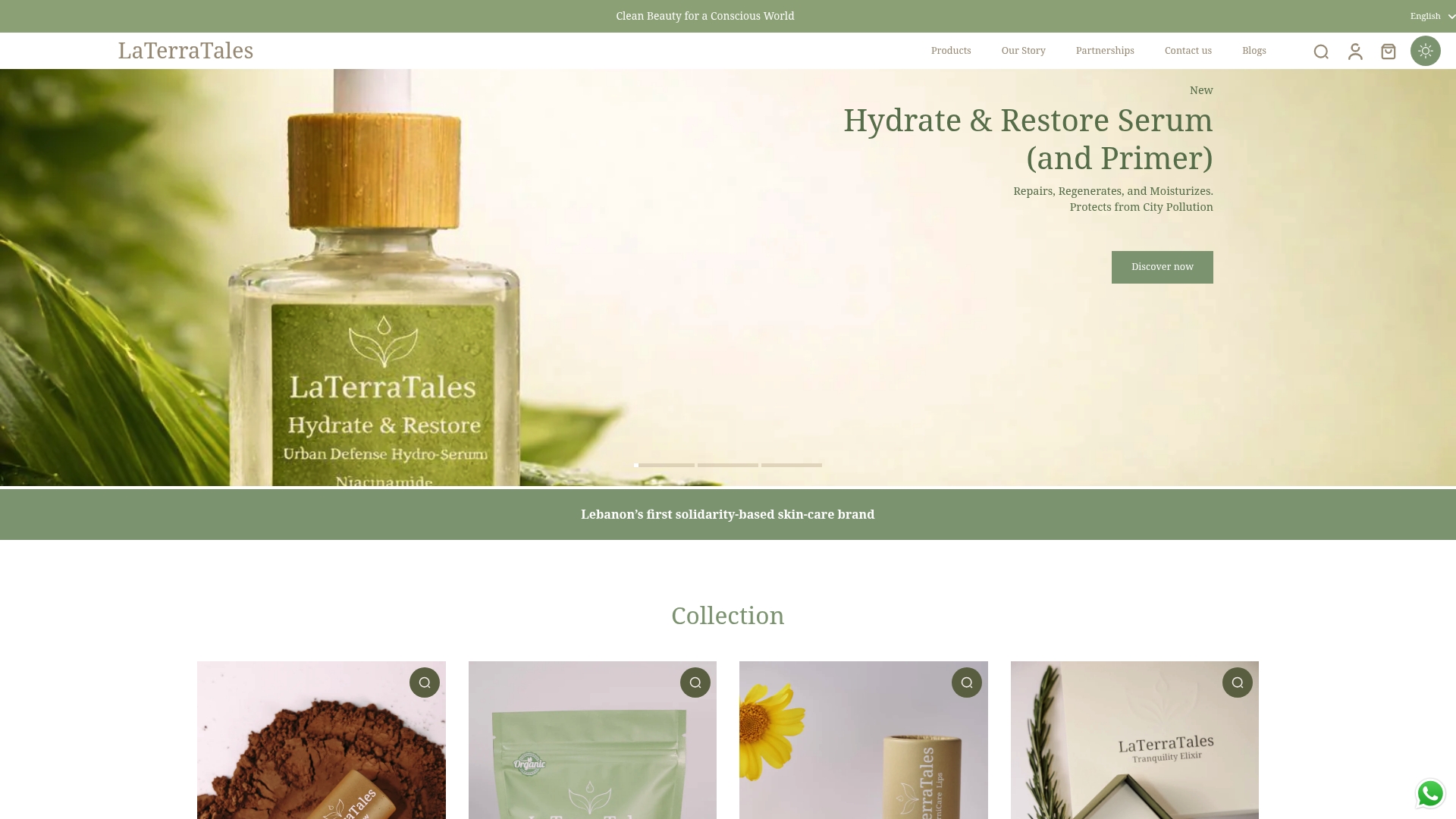
The bundle is designed for sensitive skin, with minimal ingredients, no harsh synthetics, and sustainable packaging that keeps your ritual space clean. It’s an optional support, not a requirement. You can build a meaningful ritual with a candle and a journal. But if you want products that match the care you’re putting into your practice, the natural skincare collection is a considered place to start. Browse the collection and choose the one or two items that fit your ritual best.
Sources
- Depression (WHO)
- Find Treatment | SAMHSA
- The importance of self-care for maintaining mental health | Marquette Today
- Daily wellness rhythm: Building habits that stick | Peacefully Proven
- Holistic Wellness Routines: Evidence-Based Examples for Stress & Digestion | QigongStar
- At-Home Self-Care Rituals To Unwind And Reset | MOJEH
- How to Create a Relaxing Home Spa with Carole Bamford | The Glass Magazine
- From Surviving to Thriving: Creating a Holistic Self-Care Rhythm | Wild Moon Healers


