
Hibiscus Tea Benefits: What the Research Actually Shows
Hibiscus tea’s strongest, best-documented benefit is cardiovascular support, with a 2024 scoping review linking a moderate daily intake of hibiscus tea to measurable improvements in blood pressure. Antioxidant, liver, and skin benefits are emerging but less settled. The one flag worth knowing before your first cup: hibiscus can interact with blood pressure medications, so talk to your clinician if you take them regularly.
TL;DR:
- Drinking 2 to 3 cups of hibiscus tea daily can support blood pressure regulation in people with hypertension based on multiple human trials.
- Hibiscus intake shows inconsistent effects on cholesterol and metabolic markers, with most evidence supporting its cardiovascular benefits.
- Consistent daily consumption over 4 to 12 weeks is necessary to observe measurable improvements in blood pressure and skin hydration.
- Hibiscus can interact with blood pressure medications and diuretics, requiring consultation with a clinician before regular use.
- Topical and oral hibiscus deliver different benefits, with skin improvements confirmed in controlled trials, but it should complement, not replace, skincare routines.
Table of Contents
- Hibiscus Tea Benefits, Organized by What the Evidence Actually Supports
- How Much Hibiscus Tea to Drink for Real Results
- Is Hibiscus Tea Safe? Side Effects and Drug Interactions to Know
- How to Brew Hibiscus Tea (Hot, Iced, and Beyond)
- LaTerraTales’s Take: Where Oral Hibiscus Fits Into a Skincare Routine
- Our Editorial Take: The Evidence Deserves More Nuance Than It Gets
- Bring Hibiscus Into Your Daily Wellness Ritual
- Sources
Hibiscus Tea Benefits, Organized by What the Evidence Actually Supports
Not every claim about hibiscus deserves equal weight. Some benefits rest on human randomized controlled trials, others on cell studies that haven’t been tested in people yet. Here’s the breakdown by system, ranked roughly by evidence strength.
Cardiovascular health carries the strongest human data. The scoping review of hibiscus research found that regular intake, 2 to 3 cups daily, was associated with improvements in cardiovascular markers, and it specifically calls out blood pressure as the outcome with the most consistent supporting evidence. Related trials using concentrated hibiscus doses over 4 to 12 weeks reported measurable drops in blood pressure among people with existing hypertension. Cleveland Clinic echoes this, noting hibiscus may support healthy blood pressure and cholesterol levels, though it recommends caution for anyone already on blood pressure medication.
Blood lipids and metabolic markers show a mixed picture. Some trials report modest reductions in LDL cholesterol and triglycerides alongside blood pressure improvements, but the effect sizes are inconsistent across studies, and researchers haven’t nailed down why some people respond and others don’t.
Antioxidant activity is where hibiscus’s chemistry does the real work. Harvard Health points to anthocyanins, the deep red pigments that give hibiscus its color, as the key antioxidant compounds involved. These plant chemicals help neutralize oxidative stress at the cellular level, which is the mechanism researchers believe underlies many of hibiscus’s downstream effects. Harvard is careful to separate laboratory findings from confirmed clinical outcomes, and that distinction matters here.

Liver health and metabolic effects lean heavily on animal data. Human evidence is thinner, though early findings are promising enough that researchers keep circling back to it.
Weight management is a supporting player, not a solution. Small trials have measured modest changes in body composition markers, but nothing suggests hibiscus tea replaces diet and exercise as the primary lever.
Antimicrobial and anticancer signals exist only in lab studies. Test-tube research has shown hibiscus extracts can inhibit certain bacteria and cancer cell lines, but none of this has been confirmed in human trials, so treat these findings as preliminary at best.
Skin benefits deserve their own conversation, because drinking hibiscus and applying it topically work through entirely different mechanisms. A 12-week randomized, double-blind, placebo-controlled trial involving 98 participants found that 1.5 grams per day of oral hibiscus extract improved skin hydration and elasticity, reduced transepidermal water loss, and decreased periorbital wrinkle depth compared with placebo. That’s a meaningful data point: it’s one of the few controlled trials showing an internal antioxidant beverage translating into visible skin outcomes, not just theoretical ones.
A quick summary of where the evidence stands:
- Cardiovascular and blood pressure support: strongest human evidence
- Antioxidant activity: well-established mechanism, limited large-scale human trials
- Skin hydration and elasticity: confirmed in one 12-week RCT
- Liver and metabolic effects: mostly animal studies so far
- Weight management: modest, small-sample support
- Antimicrobial and anticancer activity: lab-only, not clinically proven
How Much Hibiscus Tea to Drink for Real Results
The scoping review’s consensus dose is straightforward: a moderate daily intake with typical serving sizes of brewed tea, tied to the cardiovascular benefits discussed above. That’s the range most consistently linked to blood pressure improvements across the trials it reviewed.
If you’re comparing brewed tea to extract or capsule labels, here’s how the numbers tend to line up:
- Trials on hypertension often used concentrated calyx preparations measured in grams per liter, run over 4 to 12 weeks, with blood pressure improvements tracked throughout.
- The skin trial used a more precise dose: 1.5 g/day of hibiscus extract, taken consistently for 12 weeks before hydration and elasticity improvements were measurable.
- Brewed tea sits closer to the cardiovascular studies, since whole dried calyces steeped in hot water approximate the concentrations used in those trials.
Give it time. Most of the research showing real change, whether in blood pressure or skin measures, tracked participants for 4 to 12 weeks of consistent daily intake. A cup here and there won’t replicate trial results. Daily habit is what the data rewards.
Is Hibiscus Tea Safe? Side Effects and Drug Interactions to Know
Hibiscus tea is safe for most healthy adults, but it isn’t risk-free for everyone. Because hibiscus has a natural diuretic and vasorelaxant effect, meaning it can relax blood vessels and increase urination, combining it with certain medications can amplify their effects beyond what’s intended.
- Blood pressure medications: hibiscus can lower blood pressure further when paired with antihypertensives, which sounds beneficial but can push levels too low. Cleveland Clinic recommends checking with a clinician before making hibiscus tea a daily habit if you’re on this type of medication.
- Diuretics: stacking hibiscus’s natural diuretic action with prescription diuretics may increase fluid loss more than expected.
- Statins: some evidence suggests hibiscus may interact with statin metabolism, though the research here is limited and cautionary rather than conclusive.
- Pregnancy and fertility: evidence is too limited to call hibiscus safe during pregnancy, so most clinical guidance leans toward avoiding it or checking with your OB-GYN first. Readers managing blood pressure through prescribed medication should also review broader medication interaction guidance before combining new supplements with existing prescriptions.
- Mild side effects: stomach upset and increased urination are the most commonly reported issues; allergic reactions are rare but possible.
Pro Tip: If you’re starting hibiscus tea while managing blood pressure with medication, start with one cup daily and monitor your readings for a week or two before increasing to the 2 to 3 cup range. Your clinician can help you spot any unexpected drops.
How to Brew Hibiscus Tea (Hot, Iced, and Beyond)
Brewing hibiscus is forgiving, which is part of why it’s such an easy habit to keep. For a hot brew, steep a small amount of dried hibiscus calyces in hot water for several minutes, longer if you want a more tart, concentrated flavor.
- Iced version: brew a double-strength batch, cool it, then pour over ice so the flavor doesn’t dilute into blandness.
- Concentrate method: simmer a larger batch of calyces in less water to make a syrup base, then dilute it by the glass, useful if you’re prepping for the week ahead.
- Sweetening: honey or a small amount of natural sweetener works, but unsweetened is best if you want the metabolic benefits without added sugar working against you.
Origin matters more than most people realize. The scoping review notes that antioxidant yield varies by where the hibiscus is grown, with calyces sourced from certain regions, including Egypt, sometimes showing higher antioxidant content. If you’re brewing for the antioxidant effect specifically, sourcing is worth a second look.
Topical hibiscus, found in some herb-infused skincare formulas, works differently: it delivers alpha-hydroxy acids and antibacterial compounds directly to skin for exfoliation and pH balance, a local effect that drinking tea can’t replicate.
LaTerraTales’s Take: Where Oral Hibiscus Fits Into a Skincare Routine
The 12-week trial showing improved skin hydration and elasticity from oral hibiscus extract is the finding we find most compelling, because it’s rare to see an ingestible antioxidant beverage produce measurable, instrument-tracked skin changes rather than anecdotal ones. Reduced transepidermal water loss and shallower periorbital wrinkle depth are objective markers, not just how participants felt.
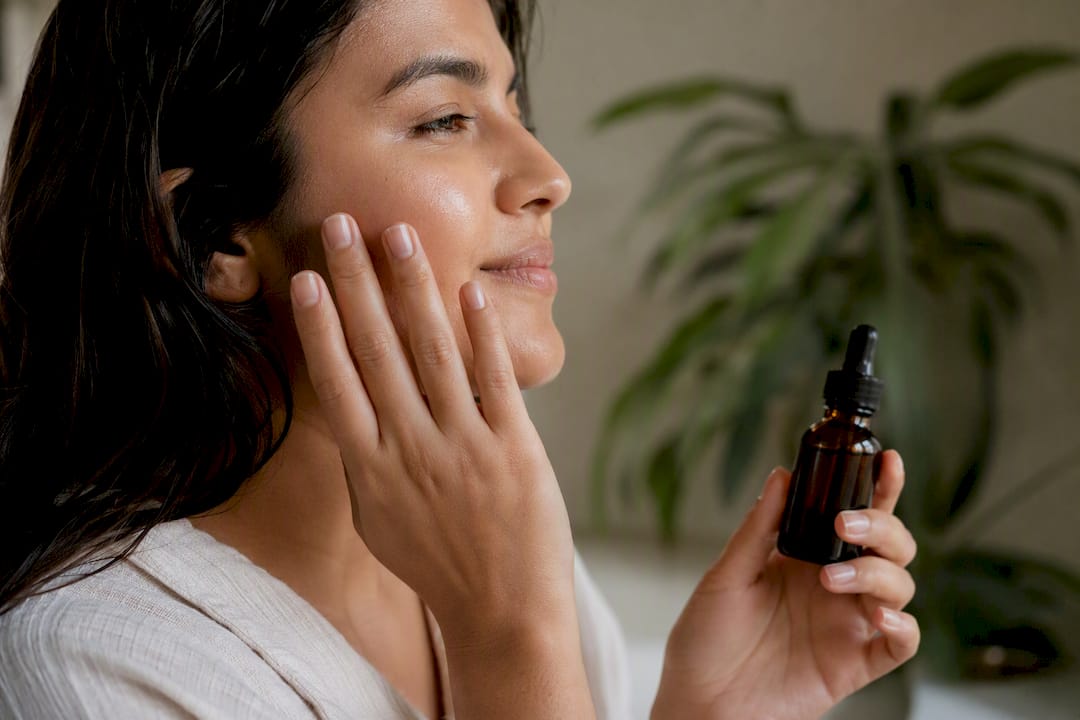
That said, we don’t think oral hibiscus replaces topical care, and neither does the research. Drinking hibiscus works systemically, feeding antioxidant activity throughout the body, while topical antioxidant ingredients act locally on the skin barrier itself. The two routes are complementary, not competing.
A few things we’d point you toward if you’re building a hibiscus-informed routine:
- Pair daily hibiscus tea with a well-aging skincare approach rather than expecting the tea alone to carry your skin goals.
- Consider a formulated wellness infusion, like LaTerraTales’s Gut-Skin Axis Tea, if you want hibiscus’s benefits without measuring loose calyces yourself.
- Track consistency over 8 to 12 weeks before judging whether it’s working. That’s the window the trials used.
Our Editorial Take: The Evidence Deserves More Nuance Than It Gets
Most hibiscus content online treats it as a cure-all, listing a dozen benefits with equal confidence. That’s misleading. The cardiovascular evidence, particularly around blood pressure at 2 to 3 cups daily, is genuinely solid, built on a scoping review that synthesized real human trials. The skin data is newer but concrete, backed by a proper randomized, placebo-controlled design. Everything else, weight management, liver effects, antimicrobial action, ranges from modest to speculative.
Where conventional advice falls short is safety framing. Too many articles bury the medication interaction warning in a footnote when it should sit near the top, especially for anyone on blood pressure drugs or diuretics. We’d rather you know that upfront than discover it after a dizzy afternoon.
If you take one thing from this article, prioritize consistency over quantity. Two cups a day, every day, for at least eight weeks will tell you more about how hibiscus works for you than any amount of research citations. Everything else, skin routines, sourcing, sweetening, is optimization once that habit is in place.
— LaTerraTales
Bring Hibiscus Into Your Daily Wellness Ritual
If measuring loose calyces and timing steep times isn’t how you want to spend your mornings, a formulated infusion solves that without asking you to become an amateur herbalist. LaTerraTales’s Gut-Skin Axis Tea is built around hibiscus and complementary botanicals in a ready-to-brew format, sustainably packaged, so you get consistent dosing without guessing your ratios.
It pairs naturally with the topical side of your routine too. If the skin-hydration findings caught your attention, our natural skincare collection is formulated for sensitive skin and designed to work alongside internal antioxidant support rather than against it. Start by adding one daily cup of the Gut-Skin Axis Tea to your routine this week, and give it the same eight to twelve weeks the clinical trials used before judging results.
This article is general information, not a substitute for advice from a qualified doctor. Consult a qualified healthcare professional about your own circumstances before acting on anything here.
Sources
The scoping review of hibiscus and health anchors most of the dosage and cardiovascular claims here, since it synthesizes multiple trials rather than relying on one study. The 12-week RCT on skin outcomes, the PMC mechanistic review, and consumer-facing overviews from Cleveland Clinic and Harvard Health round out the clinical and safety picture.
- Hibiscus Tea and Health: A Scoping Review of Scientific Evidence
- Randomized trial: oral hibiscus extract improved skin hydration and elasticity
- 7 Benefits of Hibiscus Tea - Cleveland Clinic Health Essentials
- The health benefits of 3 herbal teas - Harvard Health
Recommended
يشارك


