
Top 12 Premium Natural Skincare Ingredient Types, Science-Backed
The premium natural skincare ingredient types your routine actually needs fall into several well-defined families including botanical oils and butters, plant-derived squalane, humectants like hyaluronic acid, skin-identical lipids and ceramides, concentrated botanical actives and polyphenols, stabilized vitamin C derivatives, bakuchiol as a retinol alternative, niacinamide, green tea and EGCG, rosemary extract, and essential oils with hydrosols. What makes any of these genuinely premium is not the “natural” label alone. It is the combination of traceable sourcing, a validated extraction method, and demonstrated stability in the finished formula. A cold-pressed rosehip oil with a certificate of analysis (COA) and a verified fatty-acid profile is a fundamentally different product from a generic version with no documentation.
Here is what separates premium from ordinary across all these categories:
- Traceability: The supplier can name the plant species, origin country, and harvest method.
- Extraction method: Cold-press, CO2 supercritical, or steam distillation preserves active molecules that heat or solvent extraction can degrade.
- Standardized actives: Botanical extracts carry a declared percentage of the key marker compound (e.g., % polyphenols, % EGCG).
- COA / GC–MS data: Independent lab testing confirms purity, potency, and the absence of contaminants.
- Recognized certification: USDA Organic, COSMOS, or NATRUE certification adds a third-party verification layer.
- Stability documentation: Shelf-life and storage conditions are stated, not guessed.
LaTerraTales builds its formulas around these criteria, selecting ingredients that can be verified from field to formula.
Table of Contents
- What each premium ingredient category does for your skin
- 12 premium natural ingredients worth knowing by name
- How to tell if a natural ingredient is genuinely premium
- How to use premium natural ingredients in your routine or formulation
- Safety, allergy, and precaution notes for natural ingredients
- Why extraction method and clinical validation define premium status
- Key Takeaways
- Why LaTerraTales prioritizes premium sourcing over premium marketing
- Responsibly formulated products that put these ingredients to work
- Useful sources and further reading
What each premium ingredient category does for your skin
Understanding the categories before diving into individual profiles helps you read labels with confidence and match ingredients to your actual skin concerns. The table below maps each family to the dimensions that matter most at the point of purchase or formulation.

| Ingredient Category | Primary Benefit | Best For / Skin Concern | Typical Concentration | Stability | Premium Markers |
|---|---|---|---|---|---|
| Botanical oils & butters | Barrier support, nourishment | Dry, sensitive, mature skin | at typical use concentrations (neat or blended) | store cool and dark to maintain quality | Cold-pressed, COA, organic cert |
| Plant-derived squalane | Lightweight barrier, emollient | All skin types, oily-prone | used in a range appropriate for formulation | Excellent; 2+ years | Plant-sourced (olive/sugarcane), COA |
| Humectants (hyaluronic acid) | Moisture attraction, plumping | Dehydrated, all types | used at effective concentrations in serums | Good; avoid freeze-thaw | Molecular weight declared, COA |
| Skin-identical lipids / ceramides | Barrier repair, moisture retention | Sensitive, compromised barrier | used within typical formulation ranges for barrier repair | Stable in anhydrous or emulsion | Plant-derived (wheat, rice), COA |
| Botanical actives / polyphenols | Antioxidant, anti-aging, brightening | Aging, sun-stressed, uneven tone | 0.5–5% standardized extract | Moderate; light/heat sensitive | Standardized % marker, COA, organic |
| Stabilized vitamin C derivatives | Brightening, collagen support | Dull, aging, hyperpigmented | 5–20% (ascorbic acid); used within effective concentration ranges (derivatives) | Derivatives > ascorbic acid | Derivative type declared, pH noted |
| Bakuchiol (retinol alternative) | Cell turnover, anti-aging | Sensitive, pregnant-safe option | 0.5–2% | Good in anhydrous/low-water | Standardized % bakuchiol, COA |
| Niacinamide | Pore minimizing, barrier, brightening | Oily, acne-prone, uneven tone | used within effective concentration ranges | Excellent | Pharmaceutical grade, COA |
| Essential oils & hydrosols | Antimicrobial, sensory, toning | Varies by oil; use with care | essential oils at low, skin-safe concentrations; hydrosols commonly used as toners or water phases | Moderate; EOs oxidize | GC–MS tested, phototoxicity noted |

A few practical notes on reading this table: concentration ranges reflect typical effective use in finished products, not neat application. And “stability” refers to the ingredient in a well-formulated product, not an opened bottle left in a sunny bathroom.
What to look for on a label:
- The full INCI name (e.g., Simmondsia chinensis seed oil for jojoba, not just “jojoba”)
- The ingredient’s position in the list (higher up = higher concentration)
- Any certification logo (COSMOS, USDA Organic, NATRUE) on the packaging
- A declared percentage for key actives like niacinamide or bakuchiol
Understanding the difference between organic and natural labels is a useful first step before you start comparing products.
12 premium natural ingredients worth knowing by name
1. Jojoba oil
Jojoba (Simmondsia chinensis) is technically a liquid wax ester, not an oil, which is exactly why it behaves so differently on skin. Its molecular structure closely resembles human sebum, making it one of the most skin-compatible botanical emollients available. It regulates sebum production, softens the skin barrier, and resists oxidation far better than most plant oils, giving it a shelf life of two or more years when stored correctly.
Premium markers: Cold-pressed, unrefined (golden color), USDA Organic or COSMOS certified, COA confirming wax ester profile. Refined (clear) jojoba is not inferior, but the COA should confirm no solvent residues.
Use guidance: Works across all skin types, including oily and acne-prone. Use at 5–100% in facial oils, cleansers, and moisturizers. Stable enough to use as a carrier for essential oils.
Evidence: Research on botanical actives confirms that plant-derived wax esters support hydrolipidic balance and skin barrier function.
2. Rosehip oil
Pressed from the seeds of Rosa canina or Rosa rubiginosa, rosehip oil is one of the richest plant sources of trans-retinoic acid precursors and linoleic acid. It supports cell turnover, fades post-inflammatory hyperpigmentation, and improves skin texture with consistent use. The catch: it oxidizes quickly. An unrefined rosehip oil with no antioxidant protection can turn rancid within three to six months of opening.
Premium markers: CO2-extracted or cold-pressed, stored in dark glass, COA confirming fatty-acid profile (look for high linoleic and linolenic acid content), ideally with added vitamin E (tocopherol) as a natural antioxidant.
Use guidance: Best used at concentrations optimal for skin benefits. Apply at night, since its retinoic acid precursors can increase photosensitivity. Refrigerate after opening.
Evidence: Polyphenols and carotenoids in rosehip show measurable photoprotective and anti-aging activity in preclinical studies.
3. Plant-derived squalane
Squalene, the natural form found in plant oils and human sebum, oxidizes quickly and is not suitable for finished formulas. Squalane, the hydrogenated and shelf-stable form, is what premium formulators use. Sourced from olive oil or sugarcane (not shark liver, which is the animal-derived version), plant-derived squalane is lightweight, non-comedogenic, and compatible with virtually every skin type.
Premium markers: Plant source declared (olive or sugarcane), COA confirming purity and absence of residual squalene, no added fragrance.
Use guidance: Used within effective concentration ranges in serums, moisturizers, and oils. Excellent as a final-step facial oil or mixed into a moisturizer for added slip. Known for good shelf stability when stored properly.
Pro Tip: If a product lists “squalene” (with an ‘e’) rather than “squalane,” that is a formulation red flag. Squalene oxidizes and can clog pores; squalane does not.
4. Hyaluronic acid
Hyaluronic acid (HA) is a glycosaminoglycan that occurs naturally in skin tissue, holding up to 1,000 times its weight in water. In skincare, it functions as a humectant, drawing moisture from the environment and deeper skin layers to the surface. The molecular weight matters significantly: high-molecular-weight HA (above 1,000 kDa) sits on the skin surface and creates a plumping film; low-molecular-weight HA (below 50 kDa) penetrates more deeply and supports dermal hydration over time. Premium products often combine both.
Premium markers: Molecular weight declared or described (multi-weight formulas are a positive sign), fermentation-derived (not animal-derived), COA confirming purity.
Use guidance: 0.1–2% in water-based serums and toners. Apply to damp skin, then seal with an occlusive or moisturizer. Alone in a dry environment, it can pull moisture from the dermis rather than the air.
Evidence: HA’s role in skin hydration and barrier support is well-documented in dermatological literature.
5. Ceramides (plant-derived / phytoceramides)
Ceramides are lipid molecules that make up roughly 50% of the skin’s stratum corneum, acting as the “mortar” between skin cells. When the ceramide content drops, the barrier becomes compromised, leading to dryness, sensitivity, and irritation. Phytoceramides, derived from wheat germ, rice bran, or sweet potato, are structurally similar to human ceramides and can help restore barrier function.
Premium markers: Plant source declared, COA confirming ceramide type (look for ceramide NP, AP, or EOP), free from synthetic fillers.
Use guidance: 0.5–5% in moisturizers and barrier-repair serums. Most effective when combined with cholesterol and fatty acids in a 3:1:1 ratio, which mirrors the skin’s natural lipid composition.
6. Bakuchiol
Bakuchiol is a meroterpene extracted from Psoralea corylifolia seeds. It is the most clinically validated plant-based alternative to retinol, with published research showing comparable improvements in fine lines, skin firmness, and hyperpigmentation at 0.5% concentration, without the irritation, dryness, or photosensitivity associated with retinoids. It is also considered safe during pregnancy, though you should always confirm this with your healthcare provider.
Premium markers: Standardized to a declared % bakuchiol (not just “bakuchiol extract”), COA confirming purity, ideally COSMOS or organic certified.
Use guidance: 0.5–2% in serums and moisturizers. Unlike retinol, bakuchiol is stable in light and can be used morning or evening. It pairs well with AHAs and vitamin C without the irritation risk that retinol combinations carry.
Evidence note: A clinical study published in the British Journal of Dermatology found bakuchiol at 0.5% twice daily was comparable to 0.5% retinol for reducing wrinkles and hyperpigmentation, with significantly less irritation.
7. Niacinamide
Niacinamide (vitamin B3) is one of the most versatile and well-studied ingredients in modern skincare. It minimizes the appearance of pores, reduces sebum production, brightens uneven tone by inhibiting melanosome transfer, and strengthens the skin barrier by stimulating ceramide synthesis. At concentrations of 2–5%, it is well-tolerated by most skin types, including sensitive and rosacea-prone skin.
Premium markers: Pharmaceutical-grade purity (not cosmetic-grade, which can contain niacin impurities that cause flushing), COA confirming grade and purity percentage.
Use guidance: used within effective concentration ranges in serums and moisturizers. Stable across a wide pH range and compatible with most actives. The old concern about niacinamide and vitamin C causing flushing has been largely debunked at typical formulation concentrations, though very high concentrations of both together are still worth testing on your skin first.
8. Vitamin C (L-ascorbic acid and stabilized derivatives)
L-ascorbic acid is the most bioavailable form of vitamin C and the most studied for brightening, collagen stimulation, and antioxidant protection. The problem is stability: ascorbic acid oxidizes rapidly when exposed to light, air, or water, turning the formula yellow-orange and losing potency. Formulators address this with stabilized derivatives like ascorbyl glucoside, sodium ascorbyl phosphate, and tetrahexyldecyl ascorbate, which are more stable and gentler, though typically less potent than pure ascorbic acid.
Premium markers: Form of vitamin C declared on INCI list, pH noted for ascorbic acid formulas (effective range: 2.5–3.5), opaque or airless packaging, COA confirming potency.
Use guidance: Ascorbic acid at 10–20% in low-pH serums; derivatives at used within effective concentration ranges. Apply in the morning under sunscreen for maximum photoprotective benefit. Discard if the formula has turned dark orange or brown.
Pro Tip: Ascorbic acid serums in clear glass bottles lose potency within weeks of opening. Airless pumps or opaque packaging are a non-negotiable premium marker for this ingredient.
9. Green tea (EGCG)
Green tea extract, standardized for epigallocatechin gallate (EGCG), is one of the most potent plant-derived antioxidants used in skincare. EGCG neutralizes free radicals, reduces UV-induced inflammation, and shows anti-proliferative activity against acne-causing bacteria. Research on polyphenols confirms measurable photoprotective and anti-aging effects for green tea compounds in both preclinical and some clinical settings.
Premium markers: Standardized to a declared % EGCG or total polyphenols, COA confirming polyphenol content, protected from light and heat in packaging.
Use guidance: 0.5–5% standardized extract in serums, toners, and moisturizers. Pairs well with vitamin C for a synergistic antioxidant effect. Sensitive to oxidation; look for formulas with added antioxidant stabilizers.
10. Rosemary extract
Rosemary (Rosmarinus officinalis) extract is used in two distinct ways in skincare: as an active ingredient for its antioxidant and antimicrobial properties, and as a natural preservative booster in formulas containing oils. Its key actives, rosmarinic acid and carnosic acid, inhibit lipid oxidation, which is why you will often see it listed in botanical oil blends as a stability aid. Dermatological research documents standardized herbal extracts like rosemary gaining clinical traction for anti-inflammatory and photoprotective applications.
Premium markers: Standardized to % rosmarinic acid or % carnosic acid, COA confirming antioxidant activity, CO2 or ethanol extraction preferred.
Use guidance: As an active, used at concentrations typical for efficacy. As a preservative booster in oil formulas, 0.02–0.1%. Note that rosemary essential oil is different from rosemary extract and carries different safety considerations.
11. Shea butter and plant butters
Shea butter (Vitellaria paradoxa) is the benchmark plant butter in skincare, rich in oleic acid, stearic acid, and triterpene alcohols that give it genuine anti-inflammatory and emollient properties. Unrefined shea retains its natural triterpenes and has a characteristic nutty scent; refined shea is odorless but loses some of those bioactive compounds. Other premium plant butters include mango butter (Mangifera indica), cocoa butter (Theobroma cacao), and kokum butter (Garcinia indica), each with distinct fatty-acid profiles suited to different formulation needs.
Premium markers: Unrefined or minimally processed, origin declared (West African shea is the traditional standard), COA confirming fatty-acid profile and triterpene content, fair-trade or ethical sourcing certification where available.
Use guidance: 5–30% in body butters, balms, and rich moisturizers. Shea at 5% or above in a formula provides meaningful barrier support. Mango butter is lighter and better suited to facial formulas.
12. Essential oils and hydrosols
Essential oils are concentrated volatile aromatic compounds extracted primarily by steam distillation or cold expression from plant material. They are not carrier oils and should never be applied neat to skin. In premium formulas, they serve as active ingredients (antimicrobial, anti-inflammatory, sensory), natural fragrance, and sometimes as preservative boosters. Research on aromatic plant extracts confirms bioactivities including anti-acne, anti-inflammatory, and photoprotective effects for oils like lavender, tea tree, and chamomile.
Hydrosols (floral waters) are the water-soluble byproduct of steam distillation. Rose hydrosol, lavender hydrosol, and neroli hydrosol are gentle enough for sensitive skin and can be used as toners or formula bases.
Premium markers: GC–MS tested (confirms chemical composition and purity), phototoxicity status declared (bergapten-free citrus oils are safer for daytime use), COA, and botanical source confirmed.
Use guidance: Essential oils at 0.5–3% in finished formulas (lower for facial products and sensitive skin). Hydrosols can be used at up to 100% as a toner or formula water phase. Always check phototoxicity data for citrus and bergamot oils before daytime use.
How to tell if a natural ingredient is genuinely premium
The word “natural” on a label tells you almost nothing about quality. Traceability and standardized extraction are what separate a premium ingredient from a commodity one. Here is a numbered checklist you can run through at the point of purchase or when sourcing for formulation.
- Check the extraction method. Cold-press or CO2 supercritical extraction preserves heat-sensitive actives. Solvent extraction may leave residues. Steam distillation is standard for essential oils. If the method is not stated, ask.
- Read the full INCI list. The ingredient’s Latin binomial should appear (e.g., Rosa canina fruit oil, not just “rosehip oil”). Vague common names are a transparency gap.
- Request or verify a COA. A certificate of analysis from an independent lab confirms purity, potency, and the absence of heavy metals, pesticides, or microbial contamination. Reputable suppliers provide this without hesitation.
- Look for standardized extract markers. For botanical actives, the COA or product spec should declare the percentage of the key marker compound (e.g., 45% EGCG, 5% rosmarinic acid). An unstandardized extract has unknown potency.
- Confirm traceability. Can the supplier name the plant species, country of origin, and harvest year? Premium ingredients have a documented supply chain.
- Check the expiry and storage conditions. A premium ingredient comes with a stated shelf life and storage guidance. No expiry date is a red flag.
- Verify certifications. COSMOS, USDA Organic, and NATRUE certification each require third-party audits of sourcing, processing, and formulation. They are not marketing badges.
- Assess sustainable and ethical sourcing. Fair-trade certification, regenerative farming claims, and named supplier partnerships are meaningful signals. Vague “sustainably sourced” language without documentation is not.
Pro Tip: When reviewing a COA, look at the test date and the testing laboratory’s accreditation (ISO 17025 is the gold standard). A COA from an in-house lab or one dated more than two years ago offers much weaker assurance than a recent third-party report.
Understanding what naturally derived really means in beauty labeling helps you apply this checklist with more precision.
How to use premium natural ingredients in your routine or formulation
Routine layering order
The general rule for applying skincare is thinnest to thickest: cleanser, toner or hydrosol, water-based serum (hyaluronic acid, niacinamide, vitamin C), moisturizer (ceramides, plant butters), facial oil (jojoba, rosehip, squalane), and sunscreen as the final morning step. Oils go after moisturizer because they are occlusive and will block water-based actives from penetrating if applied first.
Layering compatibility notes:
- Vitamin C (ascorbic acid) and niacinamide can be used together at typical concentrations, but if you experience flushing, apply them in separate routines (vitamin C in the morning, niacinamide in the evening).
- Bakuchiol and AHAs are compatible and can be used in the same routine without the irritation risk that retinol and AHAs carry.
- Essential oils should always be diluted in a carrier oil or emulsion before skin contact.
- Rosehip oil is best used at night due to its retinoic acid precursor content.
Formulation basics for hobbyist formulators
Water-containing formulas (emulsions, serums, toners) require a broad-spectrum preservative system. Botanical extracts and hydrosols do not self-preserve. Anhydrous formulas (balms, oil serums, butters) have a lower microbial risk but still need antioxidant protection against oxidative rancidity.
For vitamin C, use a low-pH aqueous system (pH 2.5–3.5) for ascorbic acid, or switch to a derivative like sodium ascorbyl phosphate for a more neutral pH formula. For green tea and polyphenol extracts, use a water or glycerin solvent system and protect from light. Bakuchiol dissolves in oils and esters, making it ideal for anhydrous serums or oil phases of emulsions.
Storage and shelf-life checklist:
- Store oils and butters in cool, dark conditions away from direct sunlight.
- Refrigerate opened rosehip oil and vitamin C serums.
- Use antioxidant boosters (tocopherol, rosemary extract) in oil-based formulas to extend shelf life.
- Label DIY formulas with the batch date and a use-by date based on the shortest-lived ingredient.
- Discard any formula that changes color, smell, or texture before the stated expiry.
Pro Tip: Humectants like hyaluronic acid draw moisture from the environment. In low-humidity climates or air-conditioned spaces, they can pull water from the dermis instead, leaving skin drier than before. Always follow a humectant serum with an occlusive or emollient layer, such as squalane, shea butter, or a ceramide moisturizer, to lock that moisture in.
Safety, allergy, and precaution notes for natural ingredients
“Natural” does not mean risk-free. Some of the most potent botanical actives carry real safety considerations, and knowing them protects your skin.
Common risks to know:
- Phototoxic essential oils: Bergamot, lime, lemon, and grapefruit oils contain bergapten (a furanocoumarin) that causes severe photosensitivity reactions when applied before sun exposure. Always use bergapten-free (FCF) versions for daytime formulas, or reserve these oils for rinse-off products.
- Sensitizing botanicals: Cinnamon, clove, and ylang-ylang essential oils are among the most common contact sensitizers. Even at low concentrations, repeated exposure can trigger allergic reactions in susceptible individuals.
- Oxidized oils: Rosehip, hemp seed, and other high-linoleic oils oxidize quickly. Rancid oils are pro-inflammatory and can worsen acne and eczema rather than help them.
- Unpreserved water-based products: Any formula containing water or hydrosols without a validated preservative system is a microbial growth risk, regardless of how “natural” the ingredients are.
- Bakuchiol and pregnancy: Bakuchiol is widely considered a safer alternative to retinol during pregnancy, but clinical data specific to pregnancy is limited. Consult your healthcare provider before use.
Practical precautions:
- Patch test every new product or ingredient on the inner arm for 24–48 hours before full-face application.
- Check GC–MS data for essential oils to confirm the presence or absence of known sensitizers.
- Consult a dermatologist before using high-concentration actives (vitamin C above 15%, AHAs, or bakuchiol) if you have a compromised barrier or active skin condition.
- Pregnant or breastfeeding? Avoid high-dose essential oils, retinoids, and salicylic acid above 2%, and confirm any active ingredient with your healthcare provider.
This article is general information, not medical or dermatological advice. For personalized guidance, consult a qualified dermatologist or healthcare professional.
Why extraction method and clinical validation define premium status
The integration of traditional herbal ingredients into modern skincare through standardized extraction is one of the most significant shifts in cosmetic science over the past decade. Herbs that were once used empirically, with no documented mechanism, are now being validated through clinical trials when their actives are properly isolated and standardized. The key word is “standardized.” An unstandardized chamomile extract and a chamomile extract standardized to 1.2% apigenin are not the same product, even if they come from the same plant.
The myth that synthetic ingredients are inherently more science-backed than natural ones is not supported by the evidence. What determines efficacy is whether an ingredient has been tested at the right concentration, in a stable delivery system, in a well-designed clinical study. Natural ingredients meet that bar when they are properly extracted, standardized, and formulated.
Current trends shaping premium natural ingredient sourcing:
- Standardized extract markers are becoming a baseline expectation, not a premium differentiator. Consumers and formulators increasingly demand declared percentages of key actives.
- Plant-derived alternatives to animal ingredients are gaining ground: plant-derived squalane replacing shark-derived squalene, phytoceramides replacing bovine ceramides, and fermentation-derived hyaluronic acid replacing rooster-comb HA.
- Regulatory frameworks like NATRUE and COSMOS are raising the bar for what can be called “natural” in a finished product, grouping formulas by functional type and requiring consistent safety substantiation.
- Sustainability and traceability are moving from marketing language to verifiable supply-chain documentation, with fair-trade and regenerative sourcing certifications becoming meaningful differentiators.
A scoping review of natural skincare ingredients found promising clinical and preclinical evidence for many botanical actives, while also noting that small sample sizes and inconsistent trial designs remain a challenge. The practical implication: prioritize ingredients with multiple published studies, not just one promising result.
Key Takeaways
Premium natural skincare ingredients earn their status through traceable sourcing, validated extraction methods, and stability in the finished formula, not through the “natural” label alone.
| Point | Details |
|---|---|
| Extraction method matters | Cold-press, CO2, or steam distillation preserves actives that heat or solvent processing destroys. |
| Always request a COA | A certificate of analysis from an ISO 17025-accredited lab confirms purity, potency, and safety. |
| Pair humectants with occlusives | Hyaluronic acid alone in low humidity draws moisture from the dermis; seal it with squalane or shea butter. |
| Stability determines efficacy | Squalane outperforms squalene; stabilized vitamin C derivatives outlast ascorbic acid in most formulas. |
| LaTerraTales applies these standards | LaTerraTales selects ingredients based on traceability, sensitive-skin compatibility, and evidence-backed formulation principles. |
Why LaTerraTales prioritizes premium sourcing over premium marketing
The ingredient conversation in natural beauty has a credibility problem. Too many brands use “botanical,” “plant-powered,” and “clean” as aesthetic choices rather than formulation commitments. At LaTerraTales, the position is different: an ingredient earns its place in a formula by meeting sourcing, extraction, and stability criteria, not by sounding appealing on a label.
That means asking suppliers for COAs before placing orders, choosing cold-pressed or CO2-extracted oils over cheaper solvent-extracted versions, and formulating for sensitive skin first, which requires a higher standard of purity and gentleness than most skin types demand. The French-Lebanese heritage behind LaTerraTales brings a particular appreciation for botanical tradition, but tradition alone is not enough. Every ingredient choice is cross-referenced against available clinical evidence and formulation science.
The result is a collection where the ingredient list is the story, not a footnote. Readers who want to go deeper into how LaTerraTales approaches evidence-based natural beauty will find the brand’s formulation philosophy laid out in detail.
Responsibly formulated products that put these ingredients to work
If reading through twelve ingredient profiles has you ready to see them in action rather than on a spreadsheet, LaTerraTales has done the sourcing work for you.
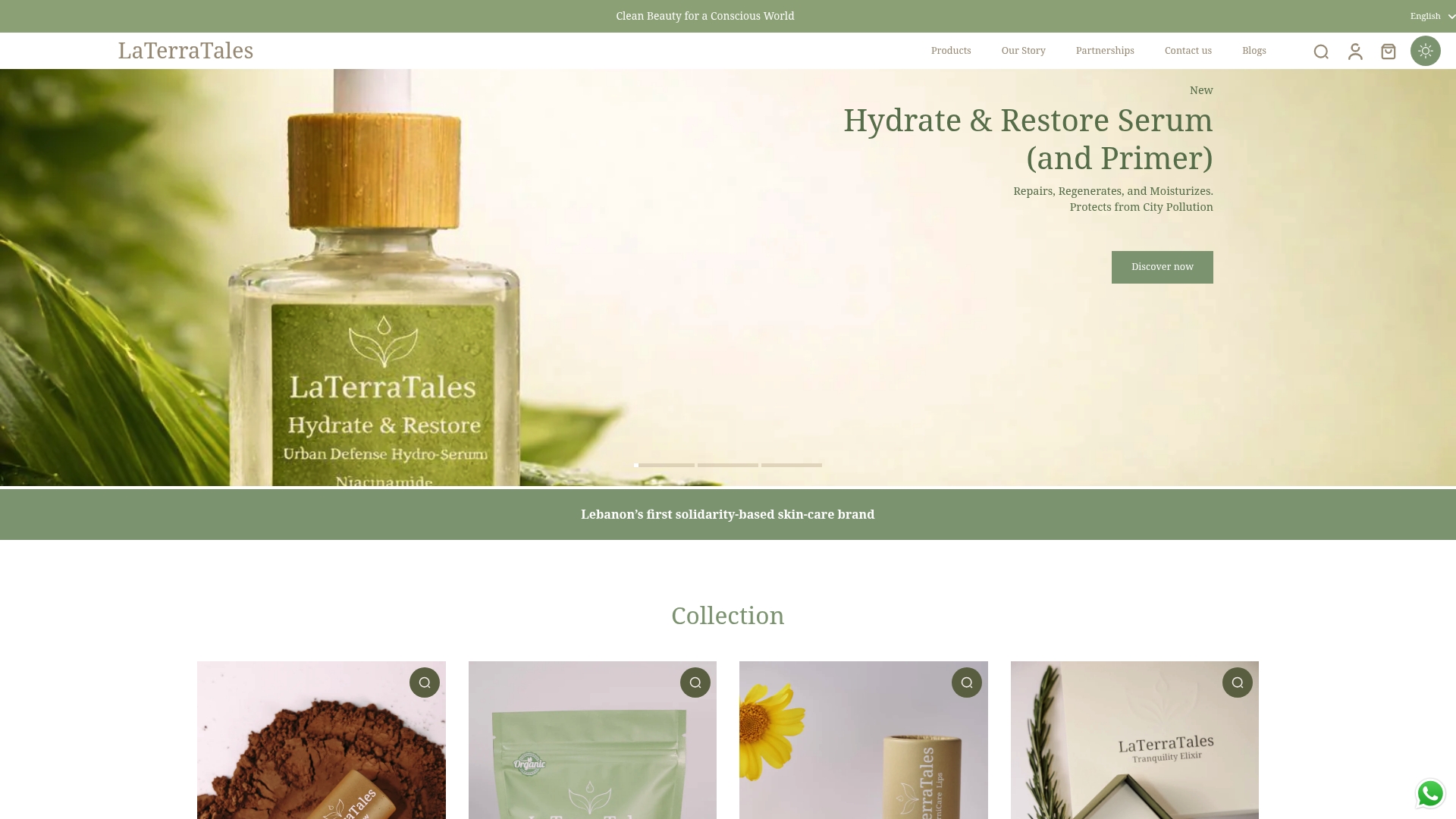
Every product in the LaTerraTales collection is formulated with sensitive skin as the baseline, using ingredients selected for traceability, extraction quality, and clinical backing. The natural skincare collection includes botanical oil blends, barrier-supporting formulas, and gentle actives that reflect the premium ingredient standards covered in this article. The handmade cleanser bar is a good starting point if you want a low-commitment way to experience what thoughtful, ingredient-led formulation feels like on your skin. Product pages include sourcing and formulation notes where available, so you can verify the ingredient story before you buy.
Disclosure: This section features LaTerraTales products. The educational content throughout this article is independent of any commercial consideration.
Useful sources and further reading
Research sources cited in this article:
- Applications of Traditional Herbal Ingredients in Skincare (PMC) — multitarget effects of botanical actives and the case for standardized extracts
- Natural Ingredients in Skincare: A Scoping Review (BBR Editions) — clinical and preclinical evidence for botanical actives, with notes on trial quality
- Science-Backed Natural Ingredients (Formula Botanica) — stability, squalane vs. squalene, and the natural vs. synthetic efficacy question
- Aromatic Plants as Cosmeceuticals (PMC) — essential oils, polyphenols, and their documented skin bioactivities
- Natural Products in Cosmetics (Springer Nature) — polyphenols, carotenoids, and anti-aging evidence
- Medicinal Plants for Skin and Hair: A Mediterranean Perspective (Archives of Dermatological Research) — standardized extraction enabling clinical validation of herbal actives
- Bakuchiol clinical study (PubMed) — bakuchiol vs. retinol comparison study
- Hyaluronic acid and skin hydration (PMC) — HA’s role in barrier function and dermal hydration
- NATRUE Technical Guide — classification framework for natural and organic cosmetics
- Natural Skincare Ingredients Guide (School of Natural Skincare) — humectant and occlusive pairing guidance for formulators
Further reading from LaTerraTales:
- Herb-Infused Skincare: Benefits, Methods, and Best Herbs — extraction methods and botanical infusion techniques explained
- Types of Botanical Skincare Oils: Your Complete Guide — fatty-acid profiles, stability, and optimal uses for botanical oils
- Natural Skincare Explained: Benefits, Ingredients, and Tips — a broader introduction to ingredient transparency and sourcing for consumers


