

Professional Skincare Routine Best Practices for Every Age
A professional skincare routine is defined by four core steps: gentle cleansing, daily moisturizing, broad-spectrum sun protection, and the gradual introduction of targeted active ingredients. Dermatologists consistently confirm that simple 3–4 step routines outperform elaborate multi-step programs in both adherence and skin barrier health. The gap between what social media promotes and what professionals actually recommend is wider than most people realize. Your skin does not need ten products. It needs the right four, applied consistently.
1. What are the professional skincare routine best practices for cleansing?
Cleansing is the foundation of any effective daily skincare regimen. It removes dirt, excess oil, makeup, and environmental residue that accumulate throughout the day. Without proper cleansing, every product you apply afterward sits on top of that buildup and performs poorly.
Aggressive cleansing disrupts the skin barrier, leading to redness, dryness, and worsening breakouts. The goal is to clean the skin without stripping it. A pH-balanced, gentle cleanser suited to your skin type does this without causing inflammation.
Choosing the right cleanser depends on your skin’s needs:
- Oily or acne-prone skin: A gel or foaming cleanser with salicylic acid clears pores without over-drying.
- Dry or sensitive skin: A creamy, hydrating cleanser with ceramides or glycerin preserves moisture while cleansing.
- Combination skin: A gentle, balanced cleanser works well in the morning; a slightly more active formula can be used at night.
- All skin types wearing SPF or makeup: Double cleansing at night, starting with a cleansing oil or micellar water, then following with your regular cleanser, removes sunscreen and makeup fully.
Cleanse twice daily: once in the morning to remove overnight sebum and once at night to clear the day’s buildup. Washing more than twice strips the barrier and triggers excess oil production as compensation.
Pro Tip: Adjust your cleanser seasonally. In winter, swap a foaming cleanser for a cream-based formula to prevent moisture loss in cold, dry air.

2. How moisturizers protect and repair your skin barrier
Moisturizers do more than hydrate. They seal and actively repair the skin barrier, which is the outermost layer that keeps irritants out and moisture in. A compromised barrier leads to sensitivity, flaking, and inflammation. Moisturizing twice daily is the single most consistent recommendation across dermatological guidelines.
Research shows that moisturizing twice daily reduces eczema risk by up to 50% in newborns, which illustrates just how powerful barrier protection is from the very start of life. For adults, the benefit is the same in principle: consistent moisturizing prevents irritation, reduces sensitivity to actives, and keeps skin looking radiant and healthy.
Selecting the right texture matters as much as the habit itself:
- Gel moisturizers: Lightweight, water-based, and ideal for oily or acne-prone skin. They hydrate without clogging pores.
- Lotion or fluid creams: A middle ground for combination or normal skin types. Good for year-round use in moderate climates.
- Rich creams or balms: Best for dry, mature, or sensitive skin. Look for ceramides, shea butter, or squalane in the ingredient list.
Apply moisturizer to slightly damp skin right after cleansing. This locks in residual moisture and improves absorption. At night, a slightly richer formula helps the skin repair itself during sleep.
Pro Tip: When using retinoids or exfoliating acids, apply moisturizer both before and after the active. This “sandwich method” buffers irritation without reducing the active’s effectiveness.
3. Why daily sunscreen is the cornerstone of expert skincare advice
Sunscreen is the single most evidence-backed anti-aging skincare practice available without a prescription. UV radiation is the leading cause of photoaging, hyperpigmentation, and collagen breakdown. SPF 30+ applied every morning protects against both UVA and UVB rays, regardless of weather or whether you spend the day indoors.
Many people underestimate how much UV exposure happens indoors. UVA rays penetrate glass windows and cause cumulative skin damage over years. SPF 30+ must be applied daily even on overcast days and even when working from home near a window.
Application amount is where most people fall short. Consumers typically apply only 25–50% of the recommended sunscreen amount, which effectively drops their SPF protection to between 7 and 15 instead of the labeled 30+. That is a significant loss of protection from a single application error.
Follow these application rules for full protection:
- Use two thick finger lengths of sunscreen for the face and neck.
- Apply as the final step of your morning routine, after moisturizer.
- Reapply every two hours if you are outdoors or near a window for extended periods.
- Choose a broad-spectrum formula that protects against both UVA and UVB rays.
- For daily indoor use, SPF 30 is sufficient. For outdoor activities, SPF 50+ is the better choice.
The best sunscreen is the one you will actually use every day. Lightweight, non-greasy formulas with a skin-tone-friendly finish remove the main reason people skip this step.
4. How to introduce retinoids and antioxidants safely
Active ingredients like retinoids and Vitamin C are where professional skincare techniques deliver visible, long-term results. Retinoids increase cell turnover, stimulate collagen production, and reduce fine lines. Vitamin C neutralizes free radicals and brightens uneven skin tone. Both are well-supported by clinical evidence. The challenge is introducing them without triggering irritation that causes people to quit.
Start retinol at 0.15% concentration, which is the optimal over-the-counter starting point for reducing reaction risk. Apply it two nights per week for the first four weeks. Increase to three or four nights per week in weeks 7–8 only if no redness or peeling occurs. If irritation appears, reduce frequency rather than switching to a lower concentration.
“Irritation from retinoids is a frequency issue, not a concentration problem.” This principle from dermatological practice means your skin needs more time to adjust, not a weaker product.
Follow this sequence when building an active-ingredient routine:
- Week 1–4: Introduce retinol at 0.15%, two nights per week. No other new actives.
- Week 5–6: Increase to two to three nights per week if skin tolerates it well.
- Week 7–8: Increase to three to four nights per week if no irritation persists.
- Morning routine: Add Vitamin C serum in the morning for antioxidant protection. It pairs well with SPF.
- Track progress: Photograph your skin in consistent lighting every two weeks.
Visible improvement from retinoids typically appears after 3 months of consistent use. Photographing your skin in the same lighting over an 8–12 week period prevents premature abandonment when progress feels slow. The sandwich method applies here too: moisturizer before and after retinoid application reduces irritation without reducing efficacy.
Never introduce two new actives at the same time. If a reaction occurs, you will not know which product caused it. Add one active, wait four weeks, then assess before adding another.
5. How to adapt your routine for skin type and seasonal changes
Professional skincare is defined by customization, not by the number of products you use. Your skin’s needs shift with the seasons, your age, and your environment. A routine that works perfectly in july may leave your skin dry and tight by december.
Seasonal adjustments follow a clear pattern: lighter, gel-based moisturizers in hot and humid months, and richer, ceramide-heavy creams in cold and dry months. This keeps the barrier intact year-round without adding unnecessary steps or products.
| Skin Type | Summer Formula | Winter Formula |
|---|---|---|
| Oily / acne-prone | Oil-free gel moisturizer, salicylic cleanser | Light lotion with niacinamide |
| Dry / sensitive | Hydrating gel-cream with hyaluronic acid | Rich cream with ceramides and squalane |
| Combination | Lightweight lotion, gel in T-zone | Cream on dry areas, lotion overall |
| Mature / aging | Antioxidant serum plus SPF | Peptide-rich cream with retinol |
Additional adjustments by skin concern:
- Acne-prone skin: Reduce exfoliation frequency in winter when the barrier is already stressed. Stick to salicylic acid two to three times per week maximum.
- Sensitive skin: Avoid fragrance-heavy products year-round. In winter, add a barrier-repair serum with ceramides or panthenol.
- Aging skin: Prioritize retinoids, peptides, and SPF. Hydration becomes more critical as skin produces less natural oil with age.
The professional approach always favors barrier protection and hydration over layering many products. Adding more steps rarely improves outcomes. Adjusting the right two or three products for the season does.
Key takeaways
A professional skincare routine built on cleansing, moisturizing, daily SPF, and gradual active introduction outperforms any multi-step regimen in both skin health and long-term adherence.
| Point | Details |
|---|---|
| Simplicity outperforms complexity | A 3–4 step routine protects the barrier better than elaborate multi-step programs. |
| SPF is non-negotiable | Apply broad-spectrum SPF 30+ every morning, indoors and outdoors, using two finger lengths. |
| Retinoids require patience | Start at 0.15% twice weekly and track progress over 8–12 weeks before adjusting. |
| Moisturize twice daily | Apply to damp skin morning and night to seal the barrier and reduce sensitivity to actives. |
| Seasonal rotation matters | Switch to gel formulas in summer and ceramide-rich creams in winter to maintain skin health year-round. |
Why less is genuinely more in skincare
The most common mistake I see is people treating their skin like a project to be solved with more products. Social media has created a culture where a ten-step routine signals dedication. Dermatologists consistently push back against this. The professionals who work with skin every day recommend fewer steps, not more.
At LaTerraTales, we have built our entire product philosophy around this reality. Gentle, effective formulas that do one thing well are more valuable than a shelf of serums that compete with each other. When you layer too many actives, you are not giving your skin more benefits. You are giving it more chances to react.
The other thing worth saying plainly: consistency beats perfection. A simple routine done every single day produces better results than an elaborate one done three times a week. Your skin responds to regularity. It builds tolerance, repairs itself overnight, and shows visible improvement when you give it time. The evidence-based approach to natural beauty is not about doing less out of laziness. It is about doing the right things without interference.
Listen to your skin. If a product causes persistent redness or tightness, that is a signal, not a phase to push through. Adjust frequency before you adjust products. And give any new routine at least eight weeks before you judge it.
— LaTerraTales
Natural skincare essentials that support your daily regimen
Building a professional routine does not require synthetic formulas or complicated ingredient lists. LaTerraTales designs each product to fit cleanly into a simplified, barrier-first approach.
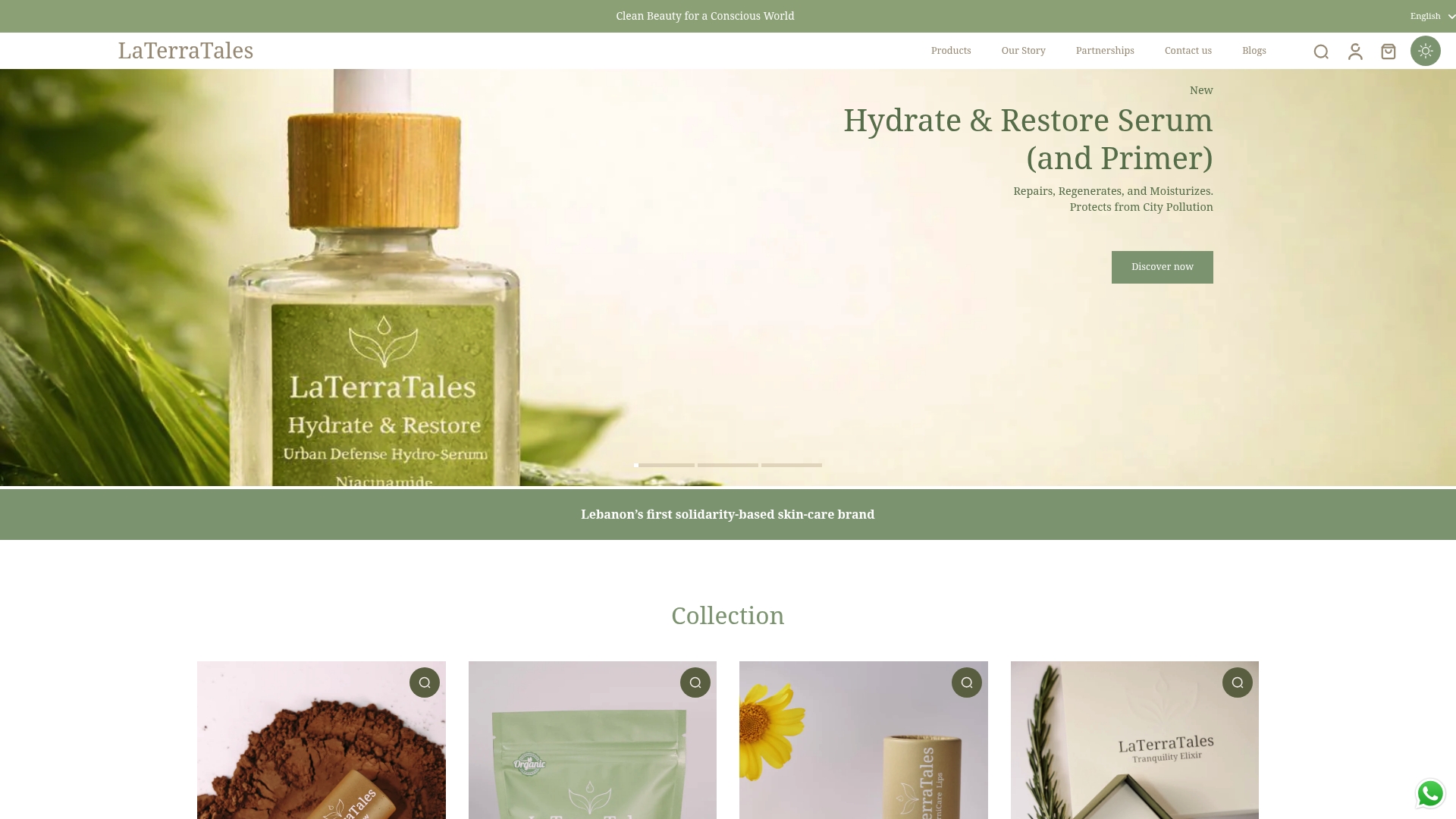
The natural cleanser bar removes makeup and sunscreen gently without disrupting the skin barrier, making it a reliable first step for double cleansing. For those seeking a retinol alternative with less irritation risk, the bakuchiol serum delivers plant-based cell-renewal benefits suited to sensitive skin. The full natural skincare collection is formulated with clean, dermatologically aligned ingredients for every skin type and season. Every product is designed to simplify your routine, not complicate it.
FAQ
What are the four core steps of a professional skincare routine?
The four core steps are cleansing, moisturizing, broad-spectrum sunscreen, and targeted actives. Dermatologists confirm that this simplified approach supports barrier health and long-term adherence better than multi-step routines.
How often should you apply sunscreen in a daily skincare regimen?
Apply SPF 30+ every morning as the final step of your routine, and reapply every two hours during outdoor or window-adjacent exposure. Applying only 25–50% of the recommended amount drops effective protection to SPF 7–15.
When does retinol start showing visible results?
Visible improvement from retinoids typically appears after three months of consistent use. Track progress in consistent lighting over 8–12 weeks to avoid stopping the routine too early.
How do you adjust your skincare routine for sensitive skin?
Use fragrance-free, pH-balanced cleansers and ceramide-rich moisturizers year-round. Introduce actives like retinol slowly using the sandwich method, applying moisturizer before and after the active to reduce irritation.
What is the sandwich method in skincare?
The sandwich method means applying moisturizer before and after a retinoid to buffer the skin from irritation. It maintains the active’s effectiveness while reducing redness and peeling, especially during the first weeks of use.


