

Aromatherapy in Wellness Gifts: A Thoughtful, Safe Guide
Yes, aromatherapy belongs in a wellness gift, provided the oils are sourced honestly, diluted correctly, and paired with clear instructions. The role of aromatherapy in wellness gifts is best understood as a sensory add-on to self-care, not a cure. The FDA classifies essential oils as cosmetics, not medicine, and a major systematic evidence review backs up modest, specific benefits rather than sweeping health claims. LaTerraTales builds its wellness gift sets around that same evidence-aware standard.
Three things determine whether an aromatherapy gift actually helps someone:
- What it can realistically support: sleep quality, short-term stress, and certain pain contexts like dysmenorrhea have the most consistent research behind them.
- What format keeps it safe: diffusers, roll-ons with carrier oil, and diluted bath oils are the lowest-risk starting points for most recipients.
- What to flag immediately: pregnancy, young children, and pets change which oils and formats are appropriate, and a gift should never skip that warning.
Key Takeaways
Aromatherapy earns its place in a wellness gift when the giver chooses transparently sourced oils, applies correct dilution, and matches the scent to evidence-backed uses like sleep or short-term stress relief.
| Point | Details |
|---|---|
| Match scent to need | Lavender and chamomile support sleep; citrus lifts mood; peppermint aids focus. |
| Check the label | Look for the Latin botanical name, origin, and batch or GC-MS testing before buying. |
| Dilute before skin contact | Pre-diluted roll-ons and bath oils are safer defaults than pure essential oils. |
| Flag high-risk groups | Pregnancy, young children, and pets each require different oil and format choices. |
| Choose LaTerraTales for trusted formulas | LaTerraTales’ Wellness & Self-Care collection pairs transparent sourcing with sensitive-skin-safe dilutions. |
Table of Contents
- What Is the Role of Aromatherapy in Wellness Gifts?
- How Can You Include Aromatherapy in a Wellness Gift?
- Which Essential Oils Work Best in Wellness Gifts?
- What Safety and Quality Checks Should a Gift Meet?
- How Should You Package an Aromatherapy Gift?
- Frequently Asked Questions
- Sources
What Is the Role of Aromatherapy in Wellness Gifts?
Aromatherapy earns its place in a wellness gift through two physical pathways, not magic. When someone inhales a scent, molecules travel to the olfactory nerves and signal the amygdala, the brain’s emotional processing center. That’s why a specific smell can shift someone’s mood almost instantly. Johns Hopkins Medicine also notes that essential oils absorb through the skin when diluted and applied topically, which is why roll-ons and massage oils work through a second, slower route.
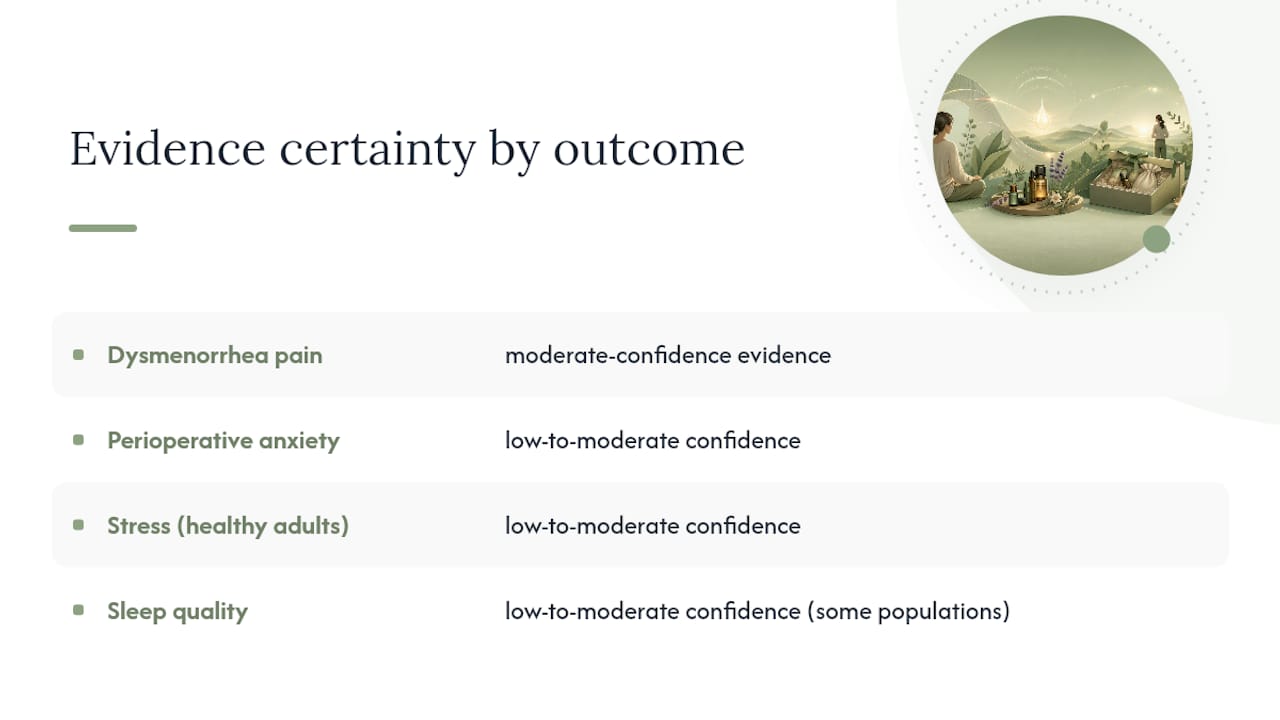
The evidence behind these pathways is real but narrower than most marketing suggests. A review of 26 systematic reviews found moderate-confidence evidence that aromatherapy can ease dysmenorrhea pain, with low-to-moderate confidence for perioperative anxiety, stress in healthy adults, and sleep quality in some populations. A separate Australian evidence evaluation reviewing 323 studies reached a similar conclusion: low-certainty evidence of small improvements in sleep quality and quality of life, with many other outcomes still uncertain.
Because the FDA regulates essential oils as cosmetics, no government body checks their purity or verifies therapeutic claims before they hit shelves. That gap is exactly why sourcing and labeling matter more in aromatherapy than in most gift categories.
Pro Tip: Cleveland Clinic’s integrative medicine team points out that improper use, wrong dilution, low-quality oils, or the wrong application for a vulnerable person, is the main reason aromatherapy fails to deliver its benefits. A gift with the right oil but the wrong instructions is a gift half-finished.
A gift built on this science can reasonably support better sleep, a calmer evening, or a lift in mood during a stressful week. It should never claim to treat anxiety disorders, chronic pain, or any diagnosed condition. Frame it as a companion to rest and routine, and the gift keeps its integrity.
How Can You Include Aromatherapy in a Wellness Gift?
The right format depends entirely on who’s receiving the gift and what they need most. Match the occasion to the delivery method, and the gift feels intentional instead of generic.
For better sleep:
- A bedside diffuser paired with a small lavender or chamomile sample
- A pillow spray with a short “3 breaths before bed” instruction card
- A roller blend of lavender in a jojoba or sweet almond carrier oil
For stress relief or focus:
- A portable inhaler stick for desk or travel use
- A roll-on combining peppermint and citrus for an afternoon reset
- Aromatherapy jewelry, like a lava-bead bracelet or necklace, that holds scent for hours
For a full self-care ritual:
- A bath oil soak with frankincense or chamomile, paired with a candle for ambiance
- A curated set combining a diffuser, a facial oil, and a short ritual card
- A “starter kit” with three or four single oils for someone new to aromatherapy, letting them discover what works for their own body
Every format above still needs a dilution note before it reaches skin. Save the exact ratios for the safety section below, but make sure any topical product, roll-ons especially, arrives pre-diluted or with clear mixing instructions. Readers curious about topical application in more depth can look at how facial oils fit into a broader skin ritual, since the same dilution logic applies.
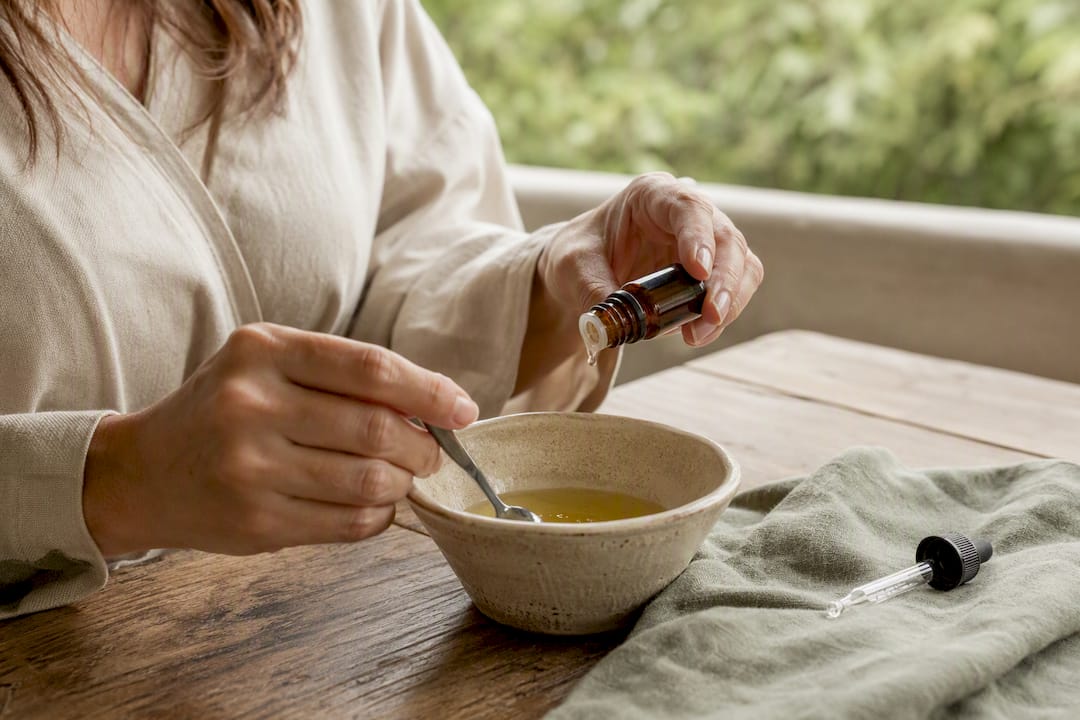
Recipient adjustments matter as much as the format itself. Someone with sensitive skin needs a lower dilution and a patch-test reminder. Pregnant recipients should stick to gentle, well-tolerated scents like citrus rather than stimulating oils like rosemary. Gifts headed to a home with young children or pets need fragrance-free alternatives nearby, and it’s worth reviewing why fragrance-free matters for infants before including anything scented.
Which Essential Oils Work Best in Wellness Gifts?
Not every oil suits every recipient, and knowing the basic scent profile helps you match the oil to the moment instead of guessing.
- Lavender: Soft, floral, slightly herbal. The most studied option for sleep and general relaxation, and gentle enough for most skin types when diluted.
- Peppermint: Sharp, cooling, minty. Works well for focus and midday energy, but should be avoided in gifts for young children or anyone pregnant.
- Citrus (lemon, bergamot): Bright, fresh, uplifting. One trial found lemon improved mood without measurably shifting stress biomarkers, a useful reminder that “feels better” and “changes your biochemistry” aren’t the same claim.
- Eucalyptus: Crisp, medicinal, clearing. A common choice for seasonal or “clean air” gifts, best used in a diffuser rather than directly on skin.
- Tea tree: Sharp, woody, antiseptic. More often used in skincare-adjacent gifts than pure relaxation blends.
- Chamomile: Mild, sweet, apple-like. A gentle single-oil option for anyone with sensitive skin or a low tolerance for strong scents.
- Frankincense: Warm, resinous, grounding. A favorite for meditation-focused or ritual-based self-care gifts.
- Rosemary: Sharp, herbal, invigorating. Better suited for focus-oriented gifts than sleep, and one to skip for pregnant recipients.
For sensitive recipients, a single oil like chamomile or lavender is a safer bet than a blend, since it’s easier to isolate a reaction if one occurs. A dependable starter trio for general gifting is lavender, citrus, and eucalyptus, covering rest, mood, and freshness without overlapping too heavily in scent. Whatever you choose, check the label for the oil’s Latin botanical name and batch information before buying, a detail covered in more depth in this guide to decoding natural cosmetics labels.
What Safety and Quality Checks Should a Gift Meet?
Every topical oil needs dilution before it touches skin, full stop. A patch test on the inner arm, worn for 24 hours before wider use, catches most reactions before they become a problem. Pregnancy changes which oils are appropriate (skip rosemary, clary sage, and several others), young children need pediatric-safe dilutions or no essential oils at all, and several common oils, tea tree among them, are toxic to cats and dogs even in small amounts.
A quick quality checklist before buying or gifting:
- Botanical name listed (the Latin binomial, not just “lavender oil”)
- Country of origin and extraction method disclosed on the label
- Batch or GC-MS report available on request, a sign the brand tests for purity
- Full ingredient list, including any carrier oils already blended in
Because the FDA does not evaluate essential oils for therapeutic claims, that transparency is the buyer’s real safeguard, not a marketing nice-to-have. LaTerraTales’ own clean beauty ingredient checklist walks through the same label literacy for anyone buying for sensitive skin.
Pro Tip: If a gift includes a diffuser, weigh it against a scented candle for anyone with respiratory sensitivities. Diffusers generally distribute scent without combustion byproducts, which makes them the gentler choice for shared or enclosed spaces.
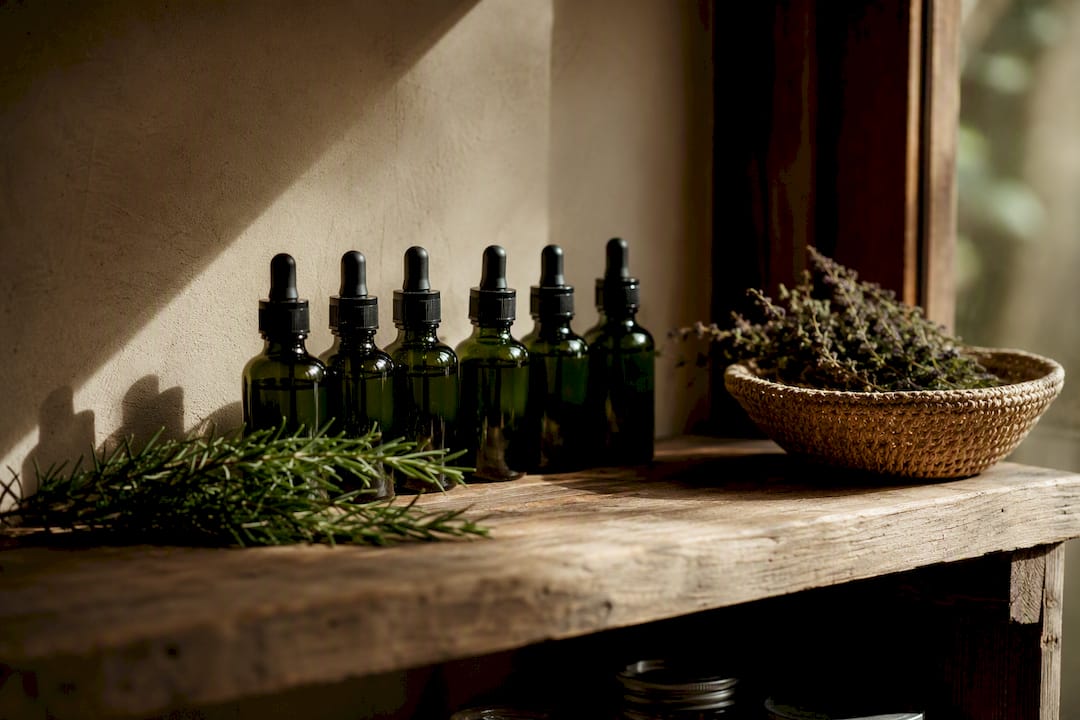
Common sensitivity triggers include citrus oils under sun exposure (a known cause of skin irritation), high concentrations of peppermint on broken skin, and fragrance mixes in general for anyone with eczema or asthma. Store finished gifts away from direct sunlight and heat, both degrade essential oils faster and shorten their usable life, ideally in the dark glass bottles most quality brands already use.
How Should You Package an Aromatherapy Gift?
Presentation is where a good gift becomes a memorable one, and it doesn’t take much. A clear label with the oil’s botanical name, a small pregnancy or pet warning icon, and a one-line usage instruction turn a bottle into something the recipient will actually trust and use correctly.
A few formats that work well:
- A small kraft box holding a roll-on and a printed instruction card with a simple ritual, like “three deep breaths before bed”
- A diffuser paired with a short printed breathing prompt or calming playlist link
- A pillow spray bundled with a one-page sleep-hygiene tip sheet
Pro Tip: A handwritten note connecting the scent to a memory, “this citrus blend reminds me of our trip to Beirut”, turns a functional gift into a personal one. Pair it with a piece from LaTerraTales’ self-care ritual guide for a ready-made ritual the recipient can follow from day one.
Always include where to seek guidance if something feels off, pointing toward an integrative medicine provider is enough. It shows the gift was assembled with care, not just convenience.
Evidence-Aware, Compassionate Gifting
Aromatherapy holds a real, if modest, place in wellness gifting, and I don’t think that modesty is a weakness. The oils that show up again and again in the research, lavender for sleep, citrus for mood, are the same ones that have earned their reputation through repeated small trials rather than hype. LaTerraTales builds its own botanical oils around that same restraint: gentle formulations, transparent sourcing, and no promises the evidence can’t back. For readers who want that philosophy in more detail, our piece on the role of essential oils in skincare lays out the same thinking applied to topical formulas.
Bring That Same Standard to Your Next Gift
Plenty of gift shops sell candles and diffusers without ever mentioning dilution, botanical names, or who should avoid a given oil. LaTerraTales built its wellness line the opposite way: every botanical oil and gift set is formulated for sensitive skin first, with ingredient transparency printed right on the label instead of buried in fine print.
Our Wellness & Self-Care collection brings together diffuser-ready oils, roll-ons, and calming infusions built for exactly the gift scenarios covered above, sleep, stress relief, and self-care rituals, without asking the giver to become an amateur chemist first. Pair a botanical oil with something like our Prestige Oriental dry oil for a gift that feels complete straight out of the box. Browse the collection and put together a set that matches the recipient you have in mind.
Frequently Asked Questions
Is aromatherapy actually backed by science, or is it mostly marketing? Both, depending on the claim. Systematic reviews show moderate-confidence evidence for outcomes like dysmenorrhea pain and low-to-moderate confidence for sleep and perioperative anxiety, but the FDA does not evaluate essential oils for therapeutic efficacy, so purity and marketing claims fall entirely on the brand’s transparency.
What’s the safest aromatherapy format for a first-time gift? A pre-diluted roll-on or a diffuser with a sample oil is the lowest-risk starting point, since both avoid the guesswork of measuring dilution ratios at home.
Can you include aromatherapy in a gift for someone who’s pregnant? Yes, with adjustments. Gentle oils like citrus are generally better tolerated than stimulating oils like rosemary or clary sage, and any gift for a pregnant recipient should include a note to check with their provider first.
Are aromatherapy gifts safe for homes with pets? Not all oils are. Several common oils, tea tree included, are toxic to cats and dogs even in small amounts, so a pet-safe gift usually means choosing a fragrance-free alternative or sticking to well-ventilated diffuser use away from the animal.
How do you know if an essential oil is high quality? Check for the Latin botanical name on the label, disclosed country of origin and extraction method, and available batch or GC-MS testing, the same transparency markers covered in LaTerraTales’ clean beauty ingredient checklist.
This article is general information, not a substitute for advice from a qualified doctor. Consult a qualified healthcare professional about your own circumstances before acting on anything here.
Sources
For readers who want the primary sources: the FDA’s aromatherapy page explains cosmetic regulatory status, the NCBI systematic review maps evidence strength across outcomes, Cleveland Clinic covers clinical-use guidance, and Johns Hopkins Medicine breaks down the inhalation mechanism in plain terms.
- Aromatherapy | FDA
- Aromatherapy and Essential Oils: A Map of the Evidence - NCBI Bookshelf
- Natural Therapies Review 2024 – Aromatherapy evidence evaluation
- Aromatherapy: Do Essential Oils Really Work? | Johns Hopkins Medicine


