

Why Less Is More in Skincare: A 2026 Guide
Minimalist skincare is the practice of using fewer, carefully chosen products to protect and strengthen your skin barrier, rather than layering on every trending formula your feed recommends. This approach, increasingly backed by board-certified dermatologists, cuts through the noise of 10-step routines and replaces them with a focused set of steps that actually work. The result is calmer skin, less irritation, and a routine you will actually stick to. For those who care about the planet as much as their complexion, the minimal skincare philosophy also means less packaging waste and more mindful consumption. This guide explains exactly why less is more in skincare and how to put that principle into practice.
Why less is more skincare: the core science
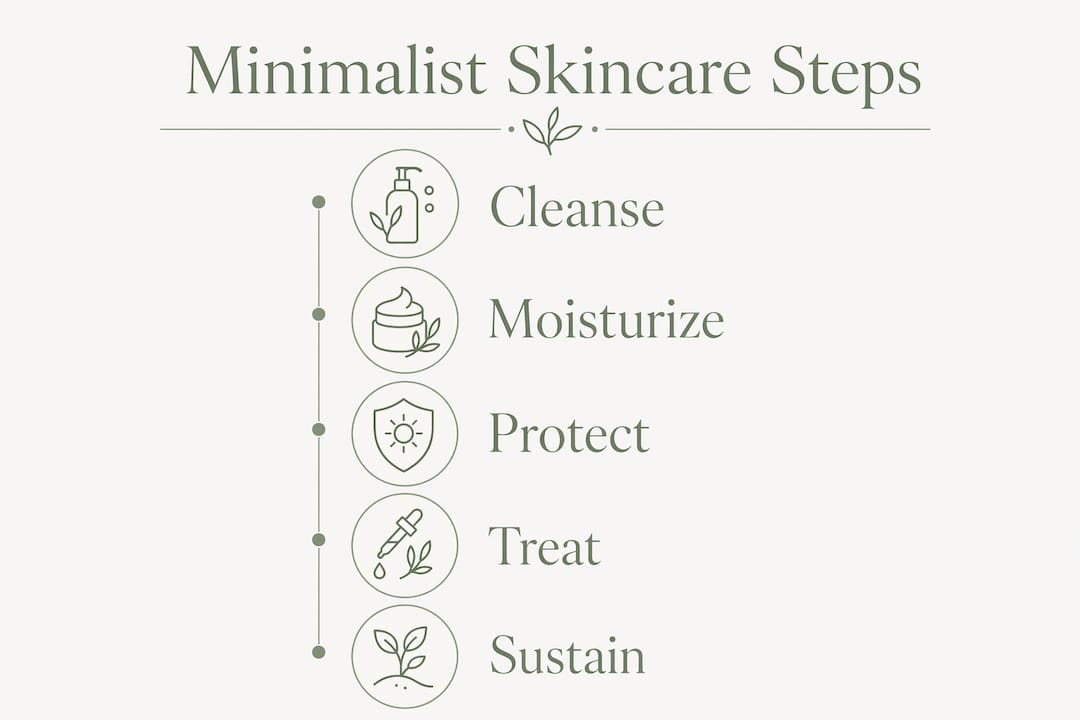
The “less is more” principle in skincare is not about neglect. It is a clinical strategy grounded in dermatology. An effective minimalist routine includes three to four core pillars: a gentle cleanser, a barrier-supporting moisturizer, a broad-spectrum SPF 30+ sunscreen, and optional targeted treatments like retinoids. Each step has a specific, evidence-backed job to do.
Cleansing without stripping
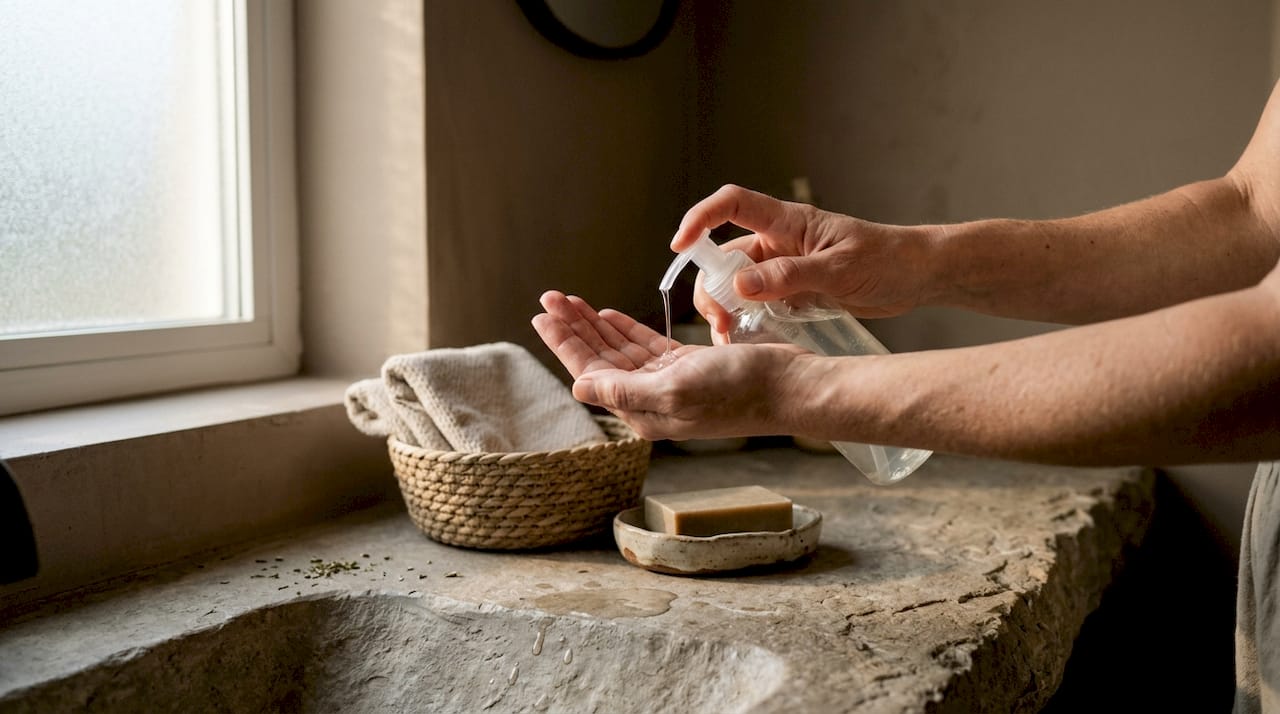
Your cleanser should remove dirt, oil, and pollution without disrupting your skin’s natural lipid barrier. Harsh sulfate-heavy formulas strip that barrier, leaving skin tight and reactive. A gentle, pH-balanced cleanser preserves the microbiome your skin depends on for defense.
Moisturizing to repair, not just hydrate
Most people think moisturizers add water to skin. The real job is sealing and repairing the skin barrier, which reduces eczema risk and locks in existing hydration. Look for ingredients like ceramides, squalane, or shea butter that reinforce the barrier rather than just sitting on top of it.
Sunscreen as your daily non-negotiable
Up to 90% of visible skin aging is caused by UV exposure. That single fact makes sunscreen the most critical step in any routine. Apply broad-spectrum SPF 30+ every morning and reapply every 4 hours when outdoors. Most people apply only 25–50% of the recommended amount, which cuts protection dramatically.
Pro Tip: Apply sunscreen as the last step in your morning routine, after moisturizer, to get the full protective film across your skin.
Optional: targeted treatments used with intention
Retinoids and antioxidants absolutely belong in a minimalist routine. Minimalism doesn’t exclude retinoids; it replaces redundant, overlapping products with selective, science-backed actives. The key word is “intentional.” One well-chosen active ingredient outperforms five mediocre ones layered together.
Why do fewer products often give better results?
Ingredient overload is a real clinical problem. Overusing multiple active ingredients can cause dermatitis, eczema, and chronic irritation. Board-certified dermatologist Dr. Pat Nicolas points directly to complexity as the driver of these conditions. When your skin is reacting, a crowded routine makes it nearly impossible to identify the culprit.
The psychological cost is just as real. Complex 10-step routines often lead to routine abandonment and make it difficult to isolate which product is causing a problem. Abandonment means inconsistency, and inconsistency is the enemy of healthy skin. A three-step routine you follow every day beats a ten-step routine you follow twice a week.
There is also a clarity benefit that goes beyond convenience. Removing excess products allows clearer skin feedback, making it easier to adjust your routine with a dermatologist for better outcomes. When you use fewer variables, you get cleaner data from your own skin. Redness, breakouts, and dryness become easier to read and address.
“Consistency in simple, high-quality routines leads to better skin outcomes than intermittent use of many products. Dermatology practices focus on reducing product noise for maximal skin control.”
Understanding dermatological research in beauty confirms this: minimalism enables clearer observation of skin reactions and improves the quality of consultations with skin care providers. Your skin tells a better story when fewer things are talking at once.
The four most common ways ingredient overload harms skin:
- Barrier disruption: Layering acids, retinoids, and exfoliants together weakens the lipid barrier faster than it can repair itself.
- Sensitization: Repeated exposure to multiple fragrances and preservatives increases the risk of contact dermatitis over time.
- pH conflict: Mixing products with incompatible pH levels reduces the efficacy of active ingredients and stresses skin.
- Inflammation spiral: Irritated skin produces more oil and breaks out more, which triggers people to add more products, worsening the cycle.
How minimalist skincare supports sustainability
Fewer products means less waste. That connection is direct and measurable. Minimalist skincare routines support sustainability by lowering consumption, reducing packaging waste, and encouraging mindful buying behavior. Every product you do not buy is a bottle that does not end up in a landfill.
The shift toward clean, natural ingredients also matters here. Plant-based formulas with shorter ingredient lists are generally easier to biodegrade and less likely to contain microplastics or synthetic compounds that accumulate in waterways. Choosing a botanical oil or a solid cleansing bar over a plastic-packaged foam cleanser is a small decision with a compounding environmental effect.
Multipurpose products are the minimalist’s best tool for sustainability:
- A dry body oil that works on skin, hair, and cuticles replaces three separate products.
- A tinted lip balm with SPF replaces a lip balm, a lipstick, and a separate SPF stick.
- A solid cleansing bar eliminates the plastic pump bottle entirely and typically lasts longer than its liquid equivalent.
Consumers who adopt a minimal skincare philosophy also report a meaningful shift in buying behavior. They research ingredients more carefully, buy less impulsively, and choose brands with transparent sourcing and sustainable packaging. That shift benefits both their skin and the planet.
How to transition to a minimalist routine without losing results
The first week of simplifying your routine often feels wrong. Your skin may feel “naked” without the layers it has been used to. During transition, skin loses the sensation of tightness from exfoliating that many people mistake for effective care. That tightness actually indicates barrier stress, not cleanliness. Recognizing that distinction is the first mental shift you need to make.
A 4–6 week reset period allows your skin barrier to stabilize after stripping back a complex routine. Patience is not optional here. Barrier repair takes time, and the temptation to add products back in during that window is the most common reason people fail to see results.
Practical steps for a clean transition:
- Audit your current routine. List every product you use and its active ingredients. Identify overlaps, for example, two exfoliating acids or two vitamin C serums.
- Keep the four pillars. Cleanser, moisturizer, SPF, and one targeted treatment. Everything else is optional until your skin stabilizes.
- Introduce one product at a time. Wait 1–2 weeks between new additions to clearly identify which product causes any reaction.
- Read your skin, not your feed. Social media routines are built for content, not for your specific skin barrier. Your skin’s response is the only data that matters.
- Choose quality over quantity in ingredients. A single retinoid or antioxidant serum used consistently delivers more than five mediocre products rotated randomly.
Pro Tip: Keep a simple skin journal for the first four weeks of your reset. Note texture, redness, and hydration levels every few days. Patterns become obvious fast, and you will know exactly which product to credit or cut.
For a deeper look at how age and skin type affect which steps to prioritize, the professional skincare routine guide at LaTerraTales breaks it down clearly by life stage.
Key Takeaways
A minimalist skincare routine built on a gentle cleanser, barrier-supporting moisturizer, broad-spectrum SPF 30+, and one targeted active delivers better, more consistent results than any complex multi-step regimen.
| Point | Details |
|---|---|
| Core routine pillars | Cleanser, moisturizer, SPF 30+, and one targeted treatment cover most skin needs effectively. |
| Fewer products, clearer feedback | Simplified routines make it easier to identify what your skin responds to and what causes irritation. |
| Barrier repair takes time | Allow a 4–6 week reset period when transitioning; tightness is a stress signal, not a sign of clean skin. |
| Sustainability is built in | Fewer products mean less packaging waste and more mindful ingredient choices for both skin and planet. |
| Introduce products one at a time | Wait 1–2 weeks between new additions to accurately track skin reactions and avoid overload. |
The case for trusting your skin more and your shelf less
At LaTerraTales, we have seen one pattern repeat itself across every skin type and concern: the people who simplify their routines are the ones who finally start to understand their skin. Not because minimalism is magic, but because clarity is. When you remove the noise, your skin starts to communicate clearly. Redness means something. Dryness means something. And you can actually hear it.
The hardest part of this shift is psychological. There is a deeply ingrained belief that more products equal more care. The beauty industry has spent decades reinforcing that idea. But the evidence-based natural beauty perspective tells a different story: skin health comes from consistency, barrier support, and ingredient quality, not from the number of bottles on your bathroom shelf.
What we find most meaningful about the minimal skincare philosophy is what it adds beyond skin health. Choosing fewer, cleaner products is a form of environmental care. It is a vote for transparency in formulation and against the culture of overconsumption that has defined beauty retail for too long. Sustainability and self-care are not competing values. They reinforce each other.
If you are in the reset phase right now and your skin feels unfamiliar, stay with it. That discomfort is your barrier recalibrating. Give it the full 4–6 weeks. The skin that emerges on the other side is one you will actually recognize and trust.
— LaTerraTales
Clean, simple skincare from LaTerraTales
LaTerraTales builds every product around the minimalist principle: one formula, one clear purpose, no unnecessary fillers
The natural skincare collection includes gentle solid cleansing bars, plant-based serums, and botanical oils formulated for sensitive skin and designed to replace multiple products at once. The Bakuchiol Serum Lift & Calm delivers retinol-level results from a plant-based source, making it the ideal targeted treatment for a clean, minimal routine. Every formula is eco-conscious, dermatologically thoughtful, and built to work with your skin barrier rather than against it. Your routine does not need to be long. It needs to be right.
FAQ
What is minimalist skincare?
Minimalist skincare is a routine built on three to four core steps: a gentle cleanser, a barrier-supporting moisturizer, broad-spectrum sunscreen, and one optional targeted treatment. The goal is fewer, higher-quality products that support skin health without overloading it.
How long does it take to see results from a simpler routine?
Most people need a 4–6 week skin reset period before their barrier stabilizes and results become visible. Patience during this window is critical, as adding products back too early disrupts the process.
Can I still use retinoids in a minimalist routine?
Yes. Minimalism does not exclude retinoids or antioxidants. It replaces redundant products with selective, science-backed actives introduced one at a time, which actually makes retinoids more effective and easier to tolerate.
Why does a complex routine cause skin problems?
Layering multiple active ingredients can cause barrier disruption, sensitization, and inflammation. Complex routines also make it nearly impossible to identify which product is causing a reaction, leading to a cycle of adding more products to fix problems the routine itself created.
Is minimalist skincare better for the environment?
Fewer products mean less packaging waste, lower carbon footprint from production and shipping, and more mindful ingredient choices. Multipurpose and solid-format products amplify this benefit by replacing several single-use plastic bottles with one long-lasting alternative.


