
High-Performance Natural Formulas for Sensitive Skin
The most effective examples of high-performance natural formulas for sensitive skin share a clear pattern: they pair barrier-repairing lipids with soothing humectants, keep ingredient lists short, and avoid known irritants entirely. Here are eight label-readable blueprints worth knowing:
- Ceramide NP + panthenol moisturizing cream — repairs the lipid barrier and locks in moisture; primary claim: reduced transepidermal water loss (TEWL).
- Squalane + low-percentage niacinamide serum — lightweight emollient base with anti-inflammatory support; primary claim: improved hydration and reduced redness.
- Glycerin + sodium cocoyl isethionate gentle cleanser bar — mild surfactant with humectant support; primary claim: cleansing without stripping.
- Colloidal oatmeal + bisabolol lip balm — calms neurosensory irritation and seals moisture; primary claim: anti-inflammatory barrier protection.
- Squalane + Centella asiatica botanical dry oil — fast-absorbing emollient with wound-healing botanicals; primary claim: barrier restoration and radiance.
- Ceramide NP + Centella asiatica + panthenol face cream — triple-action formula clinically shown to reduce TEWL, improve stratum corneum hydration (SCH), and lower redness.
- Niacinamide + plant peptide + thermal water serum — multi-active, well-tolerated regimen improving hydration and erythema from day 14 onward.
- Chamomile + licorice root herbal infusion — gut-skin support blend; primary claim: reduced systemic inflammation contributing to skin reactivity.
Clinical signal to watch: In a randomized double-blind study of 120 subjects, a nature-based regimen yielded a 34% investigator-rated improvement in clinically diagnosed sensitive skin compared to 4% for the synthetic dermatologist-recommended regimen over four weeks.
Table of Contents
- Key natural ingredients that deliver results for sensitive skin
- Formula blueprints you can match to product labels
- Simple AM/PM routines using high-performance natural formulas
- Clinical signals that confirm a formula is working
- Natural ingredient interactions with medications and skin conditions
- Shelf life and storage for natural formulations
- What sensitive-skin users actually experience with these formulas
- Key Takeaways
- Why LaTerraTales formulates the way it does
- LaTerraTales has ready-made formulas that follow these blueprints
- Selected reading and evidence sources
Key natural ingredients that deliver results for sensitive skin
The strongest-performing natural ingredient classes for sensitive skin are ceramides, squalane, panthenol, glycerin, niacinamide, Centella asiatica, colloidal oatmeal, and bisabolol. Each works through a distinct mechanism, and they layer well together.
| Ingredient | Primary Role | What to Expect on Sensitive Skin |
|---|---|---|
| Ceramide NP | Barrier lipid replenishment | Reduced TEWL, improved SCH |
| Squalane | Emollient, skin-identical lipid | Softness, no comedogenicity |
| Panthenol (B5) | Humectant + anti-inflammatory | Reduced redness, improved hydration |
| Glycerin | Humectant | Immediate moisture boost |
| Niacinamide (low %) | Anti-inflammatory, barrier support | Reduced erythema, improved tone |
| Centella asiatica | Wound-healing, anti-inflammatory | Reduced discomfort, barrier repair |
| Colloidal oatmeal | Neurosensory soothing, occlusive | Reduced stinging and itch |
| Bisabolol | Anti-inflammatory, penetration aid | Calmed reactivity |
A clinical study on a ceramide NP + Centella asiatica + panthenol cream demonstrated significant TEWL reduction at weeks one and two, SCH improvement at all time points (p < 0.001), and reduced redness and discomfort in 88 sensitive-skin subjects. Separately, a regimen combining niacinamide, plant peptides, and thermal spring water showed measurable hydration and erythema improvements from day 14 in sensitive-skin participants.
Emerging research goes further: a transcriptomics-driven pipeline can now identify sensitive-skin inflammatory biomarkers and match cosmetic ingredients that downregulate them, with a four-week pilot trial showing reduced biomarker expression alongside improved hydration and barrier metrics. This ingredient science approach points toward increasingly precise, personalized natural formulas.
Formula blueprints you can match to product labels
Every product type has a minimal, effective blueprint. Here is how the best natural formulas for sensitive skin look by category:
Avoid alcohol-heavy bases that compromise barrier integrity.
- Lip balm: — Colloidal oatmeal + bisabolol + beeswax or candelilla wax + squalane. Avoid high-percentage peppermint or menthol, which trigger neurosensory irritation on already-reactive lips.
Pro Tip: “Natural” on a label means nothing legally in the U.S. Check the INCI list instead. If the first five ingredients include a barrier lipid (ceramide, squalane) or a soothing humectant (glycerin, panthenol), the formula is likely delivering on its claim.
Simple AM/PM routines using high-performance natural formulas
The core rule: start with barrier support, layer actives conservatively, and never skip SPF in the morning. A gentle skincare routine for sensitive skin does not need to be complex.
AM routine:
- Gentle cleanser bar (sodium cocoyl isethionate + glycerin)
- Hydrating serum (hyaluronic acid or glycerin base)
- Ceramide + panthenol moisturizer
- Mineral SPF 30+ (zinc oxide, fragrance-free)
PM routine:
- Same gentle cleanser bar
- Repair serum (squalane + low-% niacinamide)
- Ceramide + Centella asiatica moisturizer
- Botanical dry oil as the final occlusive layer (optional, 2–3 nights per week)
Wait 60 seconds between serum and moisturizer to allow absorption. If you want to introduce a stronger natural active like bakuchiol (a plant-based retinol alternative), start once per week at night only, always after your barrier cream, and patch-test for 48 hours first.
Clinical signals that confirm a formula is working
The most useful endpoints for sensitive-skin formulas are TEWL reduction, SCH increase, reduced erythema (a* value), and subject-reported stinging scores. These are the metrics that separate marketing claims from real performance.
- TEWL reduction confirms the barrier is sealing more effectively. Meaningful change: a statistically significant drop within one to two weeks of use.
- SCH increase reflects improved moisture retention in the stratum corneum. Measurable improvements at all time points indicate consistent hydration.
- Reduced a/erythema* shows anti-inflammatory action. Visible redness reduction by day 14 is a strong clinical signal.
- Stinging/discomfort scores capture neurosensory improvement, the subjective experience of sensitive skin calming down.
Study signal: The nature-based regimen study showed 34% investigator-rated improvement versus 4% for the synthetic comparator, with the nature-based group also maintaining better hydration throughout the four-week trial.
The transcriptomics pipeline research adds a biomarker layer: when ingredient selection is matched to specific inflammatory markers in sensitive skin, clinical outcomes improve beyond what standard formulation achieves.
Natural ingredient interactions with medications and skin conditions
A few key interactions are worth knowing before building a routine around high-performance natural formulas.
Niacinamide is generally well-tolerated, but at concentrations above 5%, it can cause temporary flushing in people with rosacea or those using vasodilating medications. Starting at 2% is the safer entry point.
Centella asiatica has mild blood-thinning properties. If you are on anticoagulant therapy (warfarin, aspirin regimens), consult your physician before using high-concentration Centella products daily, particularly leave-on formulas.
Colloidal oatmeal is FDA-recognized as a skin protectant, but oat allergy is a documented contraindication. Anyone with a known grain sensitivity should patch-test carefully.
Botanical oils (rosehip, sea buckthorn) contain natural retinoids and fatty acids that can interact with prescription retinoid therapies, potentially increasing sensitivity. Use them on non-retinoid nights.
Herbal infusions containing licorice root may interact with antihypertensive medications when consumed regularly. If you are managing blood pressure, check with your healthcare provider.
This article provides general information, not medical advice. Confirm any ingredient interactions with a dermatologist or pharmacist, especially if you are managing a diagnosed skin condition or taking prescription medications.
Shelf life and storage for natural formulations
Natural formulas without synthetic stabilizers are more vulnerable to oxidation, microbial growth, and potency loss than conventional products. Knowing how to store them protects both your skin and your investment.
General rules:
- Botanical oils: — Store in dark glass bottles away from heat and light. Oxidized oils smell rancid and can trigger inflammation rather than soothe it.
- Cleanser bars: — Allow to dry between uses on a draining soap dish. A wet bar degrades faster and can harbor bacteria.
Preservative systems in natural formulas (phenoxyethanol, ethylhexylglycerin, sodium benzoate) are effective within their tested pH range. If a product’s texture, color, or scent changes noticeably, discontinue use regardless of the PAO date.
What sensitive-skin users actually experience with these formulas
Clinical endpoints tell one part of the story. The lived experience of switching to barrier-first, minimal-ingredient natural formulas tells another.
Sensitive-skin consumers who shift from high-active conventional routines to ceramide-led natural formulas typically report a reduction in baseline reactivity within two to four weeks. The stinging that used to follow cleansing becomes less frequent. Redness that appeared after moisturizer application fades. These are the same outcomes the clinical endpoints measure, expressed in daily life.
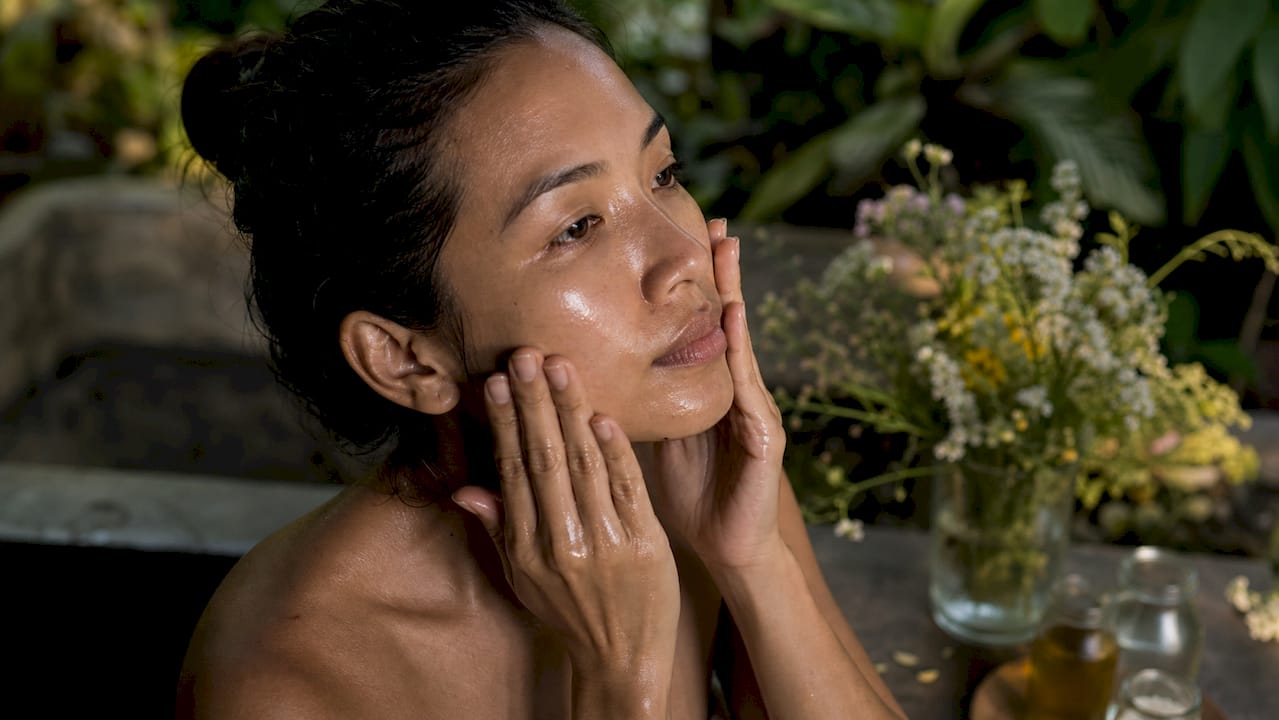
The pattern that emerges across sensitive-skin users is consistent: fewer ingredients, gentler surfactants, and a barrier-first layering order reduce the cumulative irritation load that keeps skin in a reactive state. Adding one active at a time, rather than layering multiple high-concentration ingredients, gives the barrier time to stabilize before the next challenge.
For those managing conditions like rosacea or perioral dermatitis, the shift to fragrance-free, low-surfactant natural formulas often reduces flare frequency, though it does not replace prescribed treatments. The formulas work as a supportive daily environment for skin that is already compromised.
Key Takeaways
High-performance natural formulas for sensitive skin work because they pair barrier-repairing lipids with soothing humectants, keep ingredient counts minimal, and screen for mildness before reaching your skin.
| Point | Details |
|---|---|
| Barrier-first ingredient logic | Ceramides, squalane, and panthenol form the foundation of every effective sensitive-skin formula. |
| Clinical proof exists | In a 120-subject trial, a nature-based regimen produced a 34% investigator-rated improvement compared to 4% for a synthetic comparator. |
| Read the INCI list | Core actives in the top half of the list, no fragrance or SLS, and a preservative present are the three non-negotiable label signals. |
| Mildness is testable | ET50 reconstructed epidermis screening predicts in vivo irritancy before human trials, giving formulators a reliable pre-screen. |
| LaTerraTales approach | LaTerraTales builds products around these exact blueprints: minimal ingredients, barrier-supporting actives, and sustainable packaging for sensitive-skin consumers. |
Why LaTerraTales formulates the way it does
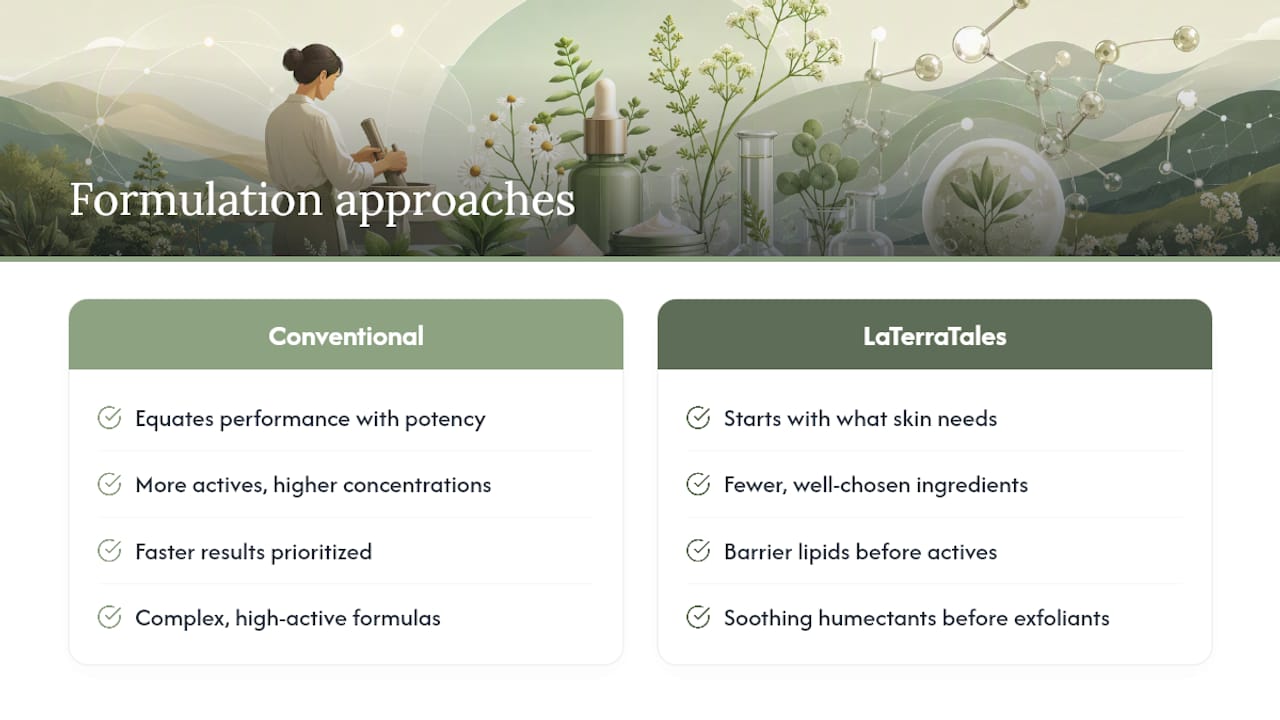
The conventional beauty industry has a habit of equating performance with potency. More actives, higher concentrations, faster results. For sensitive skin, that logic causes more harm than good. The evidence points clearly in the other direction: fewer, well-chosen ingredients that work with the barrier rather than against it consistently outperform complex, high-active formulas in tolerability and long-term skin health.
LaTerraTales was built around that evidence. Every formula in the collection starts with the question of what the skin actually needs, not what sounds impressive on a label. Barrier lipids before actives. Soothing humectants before exfoliants. Minimal ingredient lists because every additional ingredient is a potential trigger for reactive skin.
The brand’s French-Lebanese roots bring a particular sensibility to this: a respect for botanical tradition combined with a demand for scientific rigor. Centella asiatica and panthenol are not chosen because they are trending. They are chosen because the clinical data supports them, and because they have earned their place in formulas designed for skin that deserves gentleness.
Sustainability is not a separate value at LaTerraTales. It is built into the same formulation logic: fewer ingredients, cleaner sourcing, packaging that does not outlast its contents by decades. Caring for your skin and caring for the planet are the same decision, made at the same moment.
LaTerraTales has ready-made formulas that follow these blueprints
If you have been reading ingredient lists and wishing someone had already done the formulation work for you, LaTerraTales has.
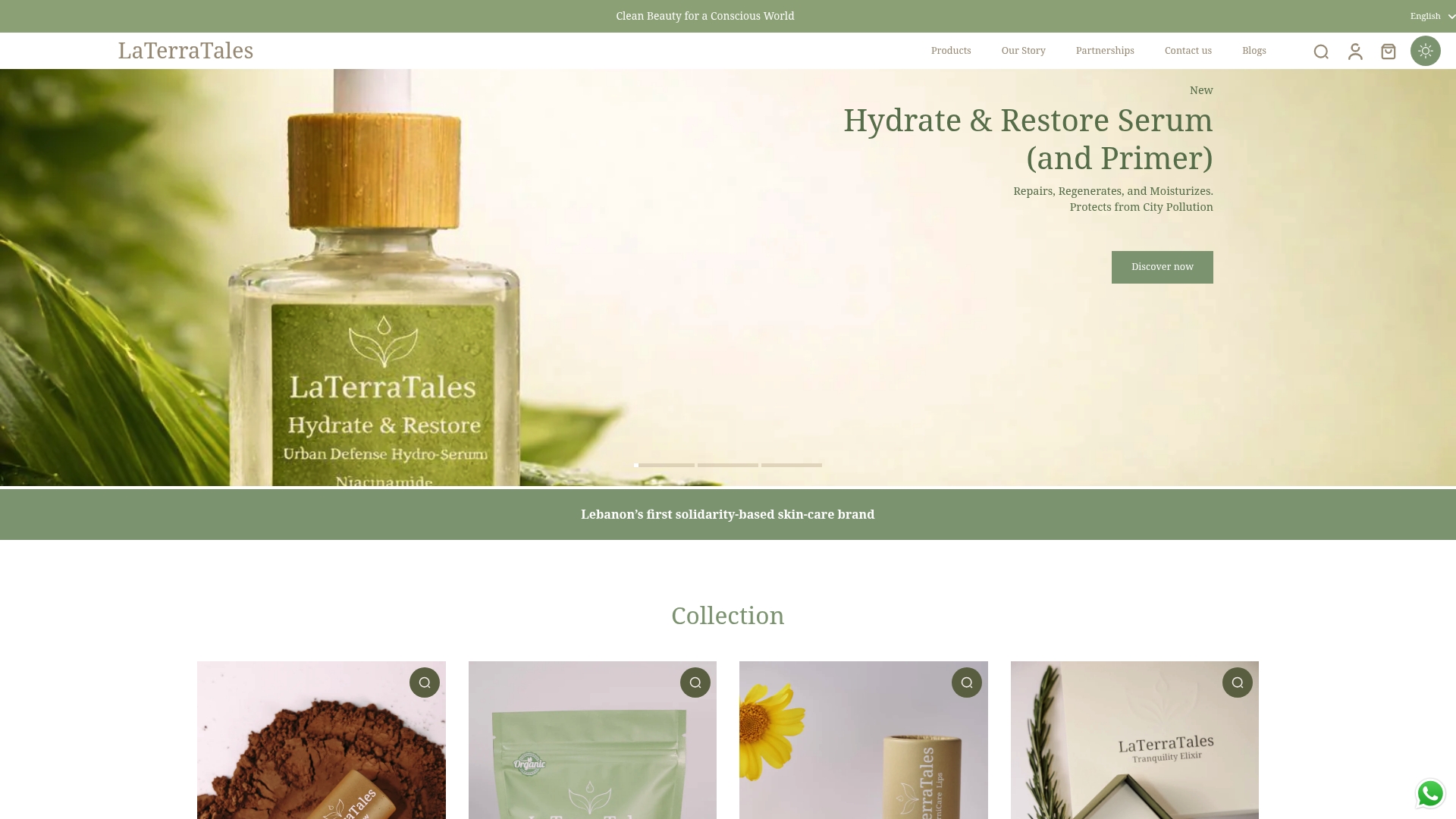
The sensitive-skin natural skincare collection covers the full routine: barrier-supporting face products, botanical oils, and wellness infusions, all formulated without fragrance, SLS, or unnecessary fillers. The handmade natural cleanser bar follows the sodium cocoyl isethionate + glycerin blueprint exactly, gentle enough for daily use on reactive skin. The Arnicare Lip Balm delivers the colloidal oatmeal and bisabolol barrier protection the lip-balm blueprint calls for. For gut-skin support, the Gut-Glow herbal infusion brings the botanical infusion blueprint to life in a daily wellness ritual.
Browse the full collection and find the formula that fits your routine.
Selected reading and evidence sources
- Evaluation of the Performance of a Nature-Based Sensitive Skin Regimen in Subjects With Clinically Diagnosed Sensitive Skin - JDDonline - Journal of Drugs in Dermatology
- How to formulate for sensitive skin: A step-by-step guide
- Cetaphil soothing and comforting facial cream study (Centella asiatica, ceramide NP, panthenol) — PMC12274965
- Can Performance and Gentleness Be Reconciled? A Skin Care Approach for Sensitive Skin
- Clinical evaluation of an anti‑aging regimen with Aquammunist®, niacinamide and plant peptides in sensitive skin
- Transcriptomics pipeline for sensitive skin biomarker discovery and ingredient matching (DOI:10.3390/biom16060843)
- Which moisturizer ingredients support sensitive skin?


