

Fast, Natural Ways to Calm Itchy Skin at Home
The fastest relief for itchy skin comes from four simple moves: a cold compress on the spot, a colloidal oatmeal soak for widespread itching, pure aloe vera gel on unbroken skin, and an over-the-counter menthol or pramoxine cream for stubborn flares. One safety rule matters more than any remedy on this list: never apply undiluted essential oils directly to skin, and stop and call a doctor if the area spreads, oozes, or fails to improve quickly. Here’s exactly how to use each one.
- Cold compress: 5 to 10 minutes on the itchy area
- Colloidal oatmeal bath: 10 to 20 minutes, lukewarm water
- Aloe vera gel: patch-test first, apply to unbroken skin only
- Menthol or pramoxine cream: follow label directions, refrigerate for extra cooling
Key Takeaways
Effective itchy skin relief combines immediate cooling techniques with consistent barrier repair, and prevention through gentle products matters more than treating flares after they start.
| Point | Details |
|---|---|
| Cold compress works fast | Apply for 5 to 10 minutes to numb nerve endings and cut inflammation on the spot. |
| Oatmeal baths suit widespread itch | Soak 10 to 20 minutes in lukewarm water with colloidal oatmeal for full-body relief. |
| Moisturize within minutes | Apply ointments or ceramide creams within 3 to 5 minutes of bathing to lock in moisture. |
| Know the red flags | Spreading rash, fever, oozing, or itching with no visible rash all warrant a doctor visit. |
| Choose gentle, minimal formulas | LaTerraTales’s fragrance-free skincare collection supports barrier repair with short ingredient lists. |
This article is general information, not a substitute for advice from a qualified doctor. Consult a qualified healthcare professional about your own circumstances before acting on anything here.
Table of Contents
- Itchy Skin Natural Remedies That Actually Work
- How Do You Prevent Itchy Skin From Coming Back?
- When Should You See a Doctor About Itchy Skin?
- Choosing Gentle Products for Itch-Prone Skin
- Why Barrier Repair Matters More Than Any Single Remedy
- A Note From LaTerraTales on Living With Sensitive Skin
- Gentle Products That Support Your Skin’s Barrier
- Sources
Itchy Skin Natural Remedies That Actually Work
Not every home remedy for itchy skin earns its reputation. Some, like the cold compress, have real physiological backing. Others, like slathering on undiluted essential oils, do more harm than good. Here’s what’s worth trying, in what order, and how to do it without making things worse.
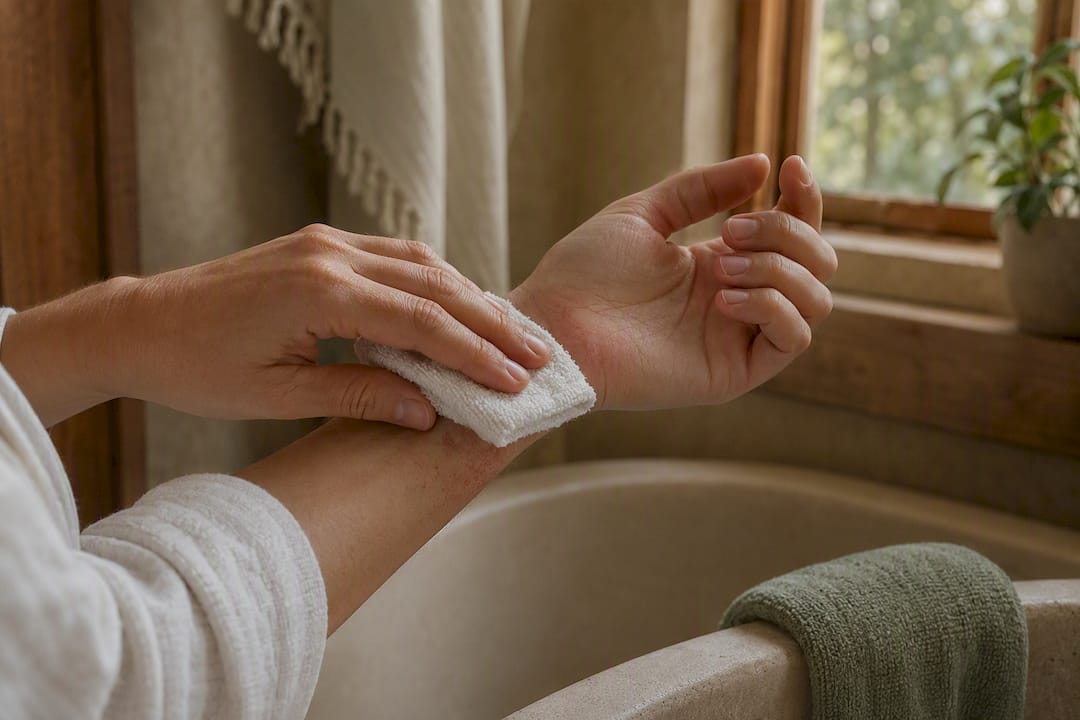
1. Cold compress. Soak a clean washcloth in cool water, wring it out, and press it against the itchy patch for 5 to 10 minutes. Cold numbs nerve endings and calms the local inflammation that drives the urge to scratch, which is why the American Academy of Dermatology lists it as a first-line home measure. Repeat as often as needed. There’s no real limit here, unlike some of the remedies further down this list.
2. Colloidal oatmeal bath. Grind plain oats into a fine powder (or buy colloidal oatmeal specifically) and stir one cup into a lukewarm bath. Soak for 10 to 20 minutes. Oatmeal forms a thin protective film on the skin’s surface and delivers antioxidant compounds that calm inflammation, according to Medical News Today. This one is best for itching that’s spread across large areas of the body rather than a single patch, where a compress makes more sense.
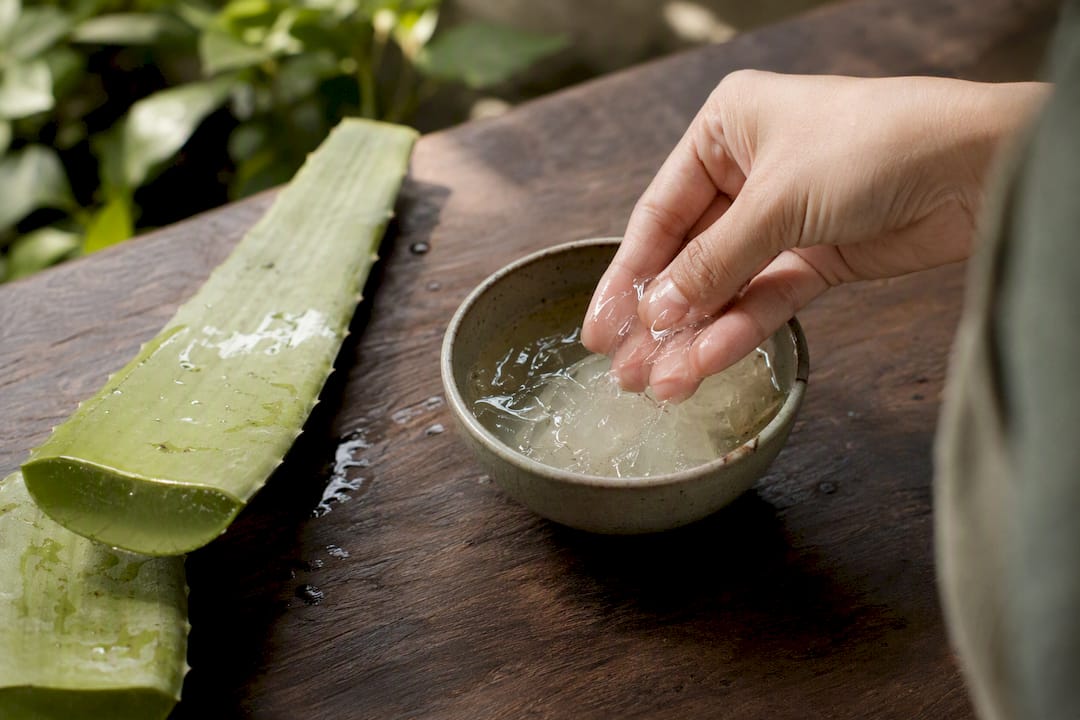
3. Aloe vera. Fresh gel scraped straight from the leaf works better than most bottled versions, which often contain added fragrance or alcohol. Patch-test on your inner forearm first and wait 24 hours before applying anywhere else. Skip it on broken or weeping skin unless you’re certain the formulation is pure. A recent review of botanical compounds for pruritus found aloe has measurable anti-inflammatory and cooling effects, alongside chamomile and peppermint, though the evidence base is still developing compared to conventional treatments.
4. Topical OTC cooling agents. Menthol-containing gels and pramoxine creams interrupt itch signals at the skin’s surface rather than just masking discomfort. Keep a tube in the refrigerator. The cold plus the active ingredient gives a double dose of relief, and this refrigeration trick works for plain moisturizers too, since a chilled emollient both soothes and hydrates at once.
5. Baking soda and Epsom salt. For fungal-adjacent or contact-dermatitis itching, add a modest amount of baking soda to a full bathtub, or mix it into a paste with a little water for spot treatment. A suitable amount of Epsom salt can be used similarly for muscle and skin relaxation. Avoid both on open wounds or broken skin, since the salts can sting and slow healing.
6. Wet-wrap therapy. This is the heavy-duty option for severe flares. Apply a thick moisturizer, layer a damp cotton garment or wrap over it, then cover with a dry layer on top. The damp layer boosts moisture absorption and physically blocks scratching. It also increases how much topical medication your skin absorbs, which is exactly why prolonged use should happen under a clinician’s guidance rather than as an everyday habit.
7. Herbal compresses and essential oils. A cooled chamomile tea bag pressed against irritated skin can calm redness thanks to its anti-inflammatory compounds. If you use essential oils like tea tree or lavender, dilute them heavily, generally no more than 1 to 2 drops per tablespoon of carrier oil, and never apply them straight from the bottle. Essential oils are a leading cause of allergic contact reactions in people with already-sensitive skin, so patch-test every single time, even with a formula you’ve used before.
8. Antihistamines and topical steroids. Oral antihistamines can quiet histamine-driven itching, and prescription steroid creams handle inflammation that home care can’t touch. Both belong in a clinician-directed plan, not a self-treatment routine, since misuse of topical steroids can thin skin over time.
Pro Tip: Keep a jar of fragrance-free moisturizer in the fridge next to the OTC menthol cream. Alternating between the two gives you a cooling option any time of day without reaching for medication first.
How Do You Prevent Itchy Skin From Coming Back?
Moisturizer choice matters more than most people realize. Ointments and thick creams, especially those built on petrolatum or ceramides, trap moisture far better than watery lotions, and applying one within three to five minutes of stepping out of the shower makes a measurable difference in how well skin holds onto that moisture, according to the Cleveland Clinic.
Beyond moisturizer, a handful of daily habits determine whether itching becomes a recurring problem or a rare annoyance:
- Choose fragrance-free cleansers and laundry detergent; dyes and perfumes are common irritant triggers, and avoiding known irritating ingredients cuts down on flare frequency.
- Keep showers short and lukewarm. Hot water strips natural oils and worsens dryness and itching, so limit soap to the groin and underarms and pat skin dry instead of rubbing.
- Wear soft, breathable cotton and skip wool or rough synthetics against bare skin.
- Run a humidifier during dry months to keep indoor air, and your skin, from drying out.
- Interrupt the itch reflex with tapping near (not on) the spot, or a quick walk outside. That kind of distraction genuinely reduces scratching, especially in kids.
When Should You See a Doctor About Itchy Skin?
Most itching responds to home care within a few days. Certain signs mean it’s time to call a doctor instead of reaching for another remedy:
- A rash that spreads quickly or covers a large area
- Oozing, pus, or open sores
- Fever alongside the itching
- Sleep disruption severe enough to affect daily function
- Sudden, widespread itching with no visible rash at all
That last one deserves attention. Itching without a rash can point to something happening below the skin’s surface. Persistent, unexplained itching is sometimes tied to thyroid disorders, kidney or liver disease, or anemia, which is why Mayo Clinic notes that doctors commonly order a complete blood count along with liver, kidney, and thyroid function tests to rule out underlying causes. From there, a clinician might prescribe topical steroids, calcineurin inhibitors, oral antihistamines, or phototherapy, none of which are meant for self-directed use.
Choosing Gentle Products for Itch-Prone Skin
Reading an ingredient label matters as much as choosing the right remedy. Look for short lists: fewer ingredients generally means fewer chances for irritation. Fragrance-free is non-negotiable, and barrier-supporting ingredients like petrolatum or ceramides should sit near the top of the list. Steer clear of alcohol-heavy formulas and synthetic dyes, and if you’re rebuilding a routine after a reaction, starting with the basics helps you isolate what actually works for your skin.
A simple flare routine looks like this: cleanse gently with a fragrance-free formula, take an oatmeal soak if itching is widespread, apply a thick ointment while skin is still damp, and follow with a cold compress if the itch flares again later in the day.
Why Barrier Repair Matters More Than Any Single Remedy
Ceramides are lipids your skin already makes to hold its outer layer together, like mortar between bricks. When that layer breaks down, from harsh soap, hot water, or naturally dry skin, moisture escapes and irritants get in more easily, which is exactly when itching starts.
This is why ointments consistently outperform lotions for itch-prone skin. Lotions are mostly water, which evaporates fast and can leave skin drier than before. Ointments and ceramide-rich creams sit on the surface longer, slowing water loss and giving the barrier time to rebuild. Petrolatum-based ointments in particular create a nearly waterproof seal, which is why they show up so often in dermatologist recommendations for chronic dry, itchy skin.
The texture trade-off is real. Ointments feel heavier and can leave a slight residue, while lotions absorb faster but protect less. For most itch-prone skin, that trade is worth making, at least on the areas that itch most, even if a lighter lotion works fine elsewhere on the body.
A Note From LaTerraTales on Living With Sensitive Skin
Sensitive, itch-prone skin shaped why LaTerraTales keeps formulas short and honest, ingredient by ingredient. Always patch-test anything new, and treat barrier repair as the priority over quick fixes. If you notice spreading redness, sores, or fever, that’s your cue to see a doctor, not to try one more remedy.
— LaTerraTales
Gentle Products That Support Your Skin’s Barrier
If mixing oatmeal baths and hunting down fragrance-free lotions sounds like more effort than you have time for, ready-made options built around the same principles can simplify the routine without cutting corners on ingredients. LaTerraTales designs its formulas around the exact barrier-first approach covered above: short ingredient lists, no fragrance, and textures chosen to lock in moisture rather than just sit on the surface.
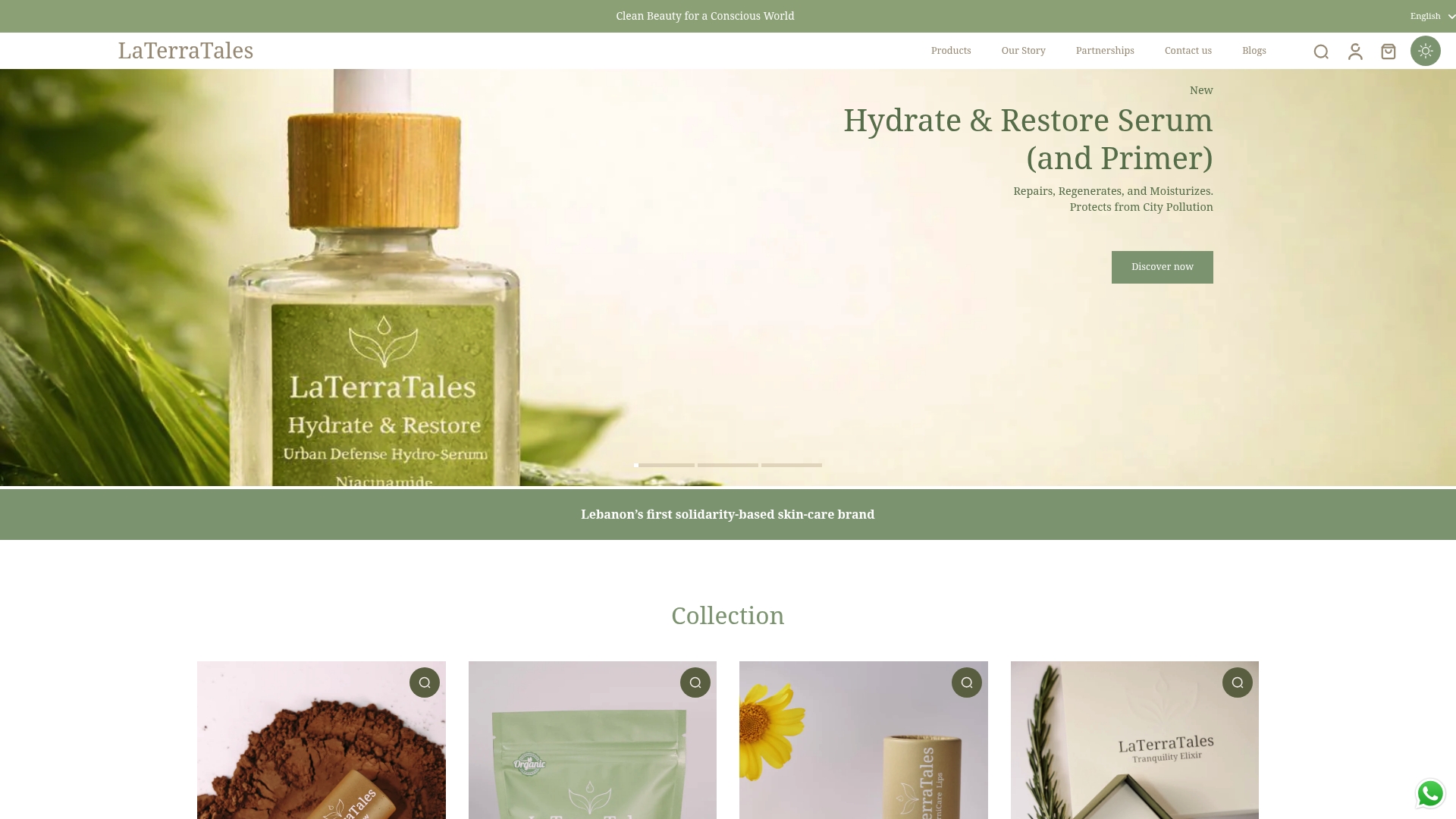
The natural skincare collection for sensitive skin covers the categories that matter most for itch-prone skin: a gentle cleansing bar that skips the harsh detergents found in most soap, a luxury body oil for deeper moisture on rough patches, and balms formulated to calm irritation rather than mask it. Each product sticks to the same rule this guide has repeated throughout: fewer ingredients, more barrier support, no unnecessary extras. If your current routine leaves you reaching for a cold compress more nights than not, browse the collection and see which piece fits the gap in your routine first.
Sources
- Itchy skin (pruritus) - Diagnosis and treatment - Mayo Clinic
- Home remedies: What can relieve itchy eczema? - American Academy of Dermatology (AAD)
- Eight ways to quickly relieve itchy skin and how to prevent it - Medical News Today
- Home remedies for itchy skin - Cleveland Clinic
- Review on herbal/plant compounds for pruritus (springer)
Recommended
Partager


