
Lebanese Natural Beauty Heritage Explained for Sensitive Skin
Lebanese natural beauty heritage is an evidence-backed system of hammam rituals and botanical remedies — olive oil, rosewaterwater, honey, black seed oil (Nigella sativa), and laurel-based soaps — that your skin can benefit from today, especially when you adapt each step thoughtfully for sensitivity and eco-conscious values.
The heritage suits sensitive skin because its core ingredients are whole-plant, minimally processed, and low in synthetic irritants. Adapted correctly (cooler steam, diluted oils, gentle exfoliation), these practices calm rather than aggravate reactive skin. The one non-negotiable rule before you start: patch-test every new botanical on your inner arm before facial use.
Three things to know before you begin:
- Core botanicals: olive oil, rosewaterwater, raw honey, black seed oil, and laurel-based black soap
- Safety rule: always patch-test and dilute essential oils to 1–2% before any facial application
- Where to start: a single step, like applying a few drops of cold-pressed olive oil to damp skin at night, gives you an immediate, low-risk entry point
Table of Contents
- What is the authentic hammam sequence, and how do you do it at home?
- Which botanicals define Lebanese beauty, and what does science say?
- How do you adapt these rituals safely for sensitive or reactive skin?
- How does modern formulation science improve Lebanese botanicals?
- What does a U.S.-friendly daily routine look like?
- How do you source authentic Lebanese botanicals sustainably in the U.S.?
- What safety and regulatory basics should you know in the U.S.?
- Key Takeaways
- Why preserving this heritage is worth your attention
- LaTerraTales brings Lebanese heritage into clean, sensitive-skin products
- Useful sources
What is the authentic hammam sequence, and how do you do it at home?
The traditional Lebanese hammam follows four distinct stages, each with a clear physiological purpose.
Stage 1: Steam and prepare
Warm steam opens pores and softens the skin’s surface, making cleansing and exfoliation far more effective. At home, a 5–10 minute warm shower or a bowl of steaming water with a towel draped over your head achieves a similar effect. Keep the temperature comfortable, never scalding.
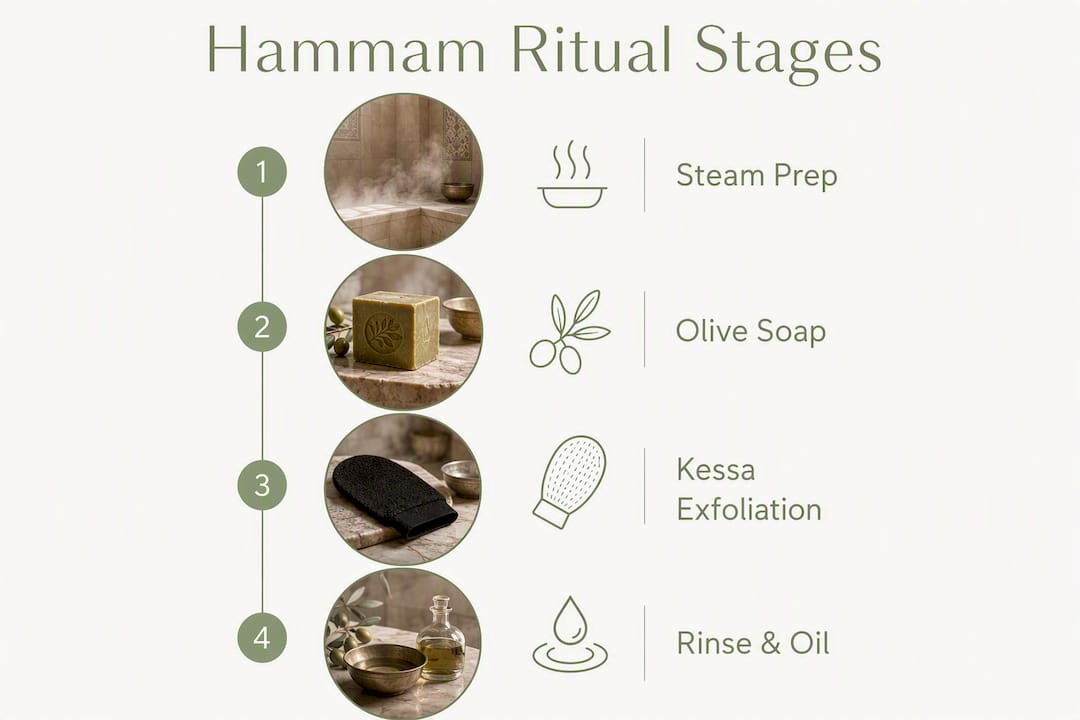
Stage 2: Cleanse with black olive-based soap
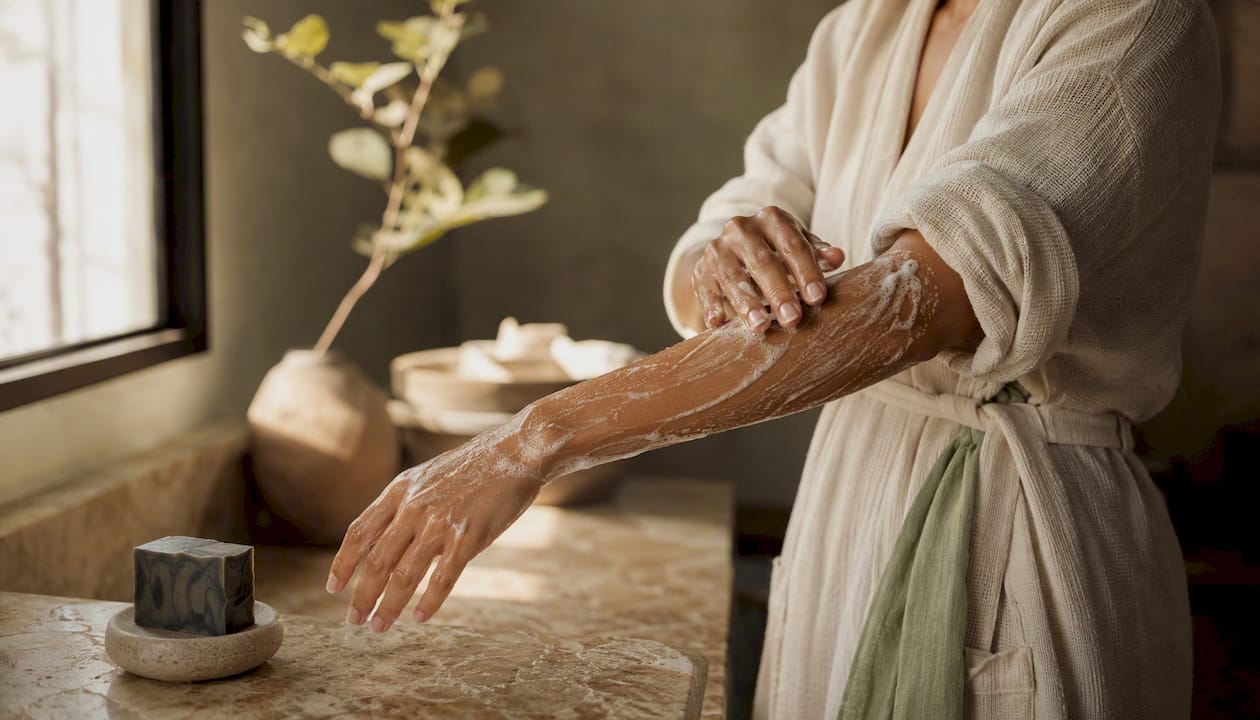
Black soap (savon beldi or laurel-based Aleppo-style soap) is applied to warm, damp skin. Its olive and laurel oil base dissolves surface impurities without stripping the skin’s acid mantle. Work it in gently with your hands rather than a rough cloth at this stage.
Stage 3: Kessa exfoliation
The kessa glove provides mechanical exfoliation, lifting dead cells that the steam has loosened. Use light, circular strokes and avoid the delicate facial skin unless you are using a much softer alternative. For a comparison of exfoliation device types and techniques, including gentler options for reactive skin, a range of tools exists from konjac sponges to soft muslin cloths.
Stage 4: Rinse and oil
A cool rinse closes pores and prepares skin for the final, most nourishing step: applying aromatic botanical oils to still-damp skin. This layering technique locks in moisture and mirrors the absorption conditions the hammam naturally creates.
Pro Tip: For sensitive skin, reduce steam time to 5 minutes, skip the kessa on your face entirely, and choose a lightweight cold-pressed oil like rosewaterhip or a diluted black seed blend rather than a heavier oil. Once a week is plenty.
Which botanicals define Lebanese beauty, and what does science say?
Ethnobotanical surveys in Lebanese bioreserves have documented over 130 plant species used locally for medicinal and cosmetic purposes, including chamomile, sage, violet, and oregano. The five botanicals below form the backbone of the beauty tradition.
- Olive oil (EVOO): Rich in polyphenols and oleic acid, it hydrates, protects against oxidative stress, and supports barrier repair. Best for dry and normal skin; use sparingly on oily or acne-prone skin.
- Rosewater (Rosa damascena hydrosol): A gentle anti-inflammatory toner that soothes redness and balances pH. Suits all skin types, including the most reactive.
- Raw honey: Naturally antimicrobial and humectant, it draws moisture into the skin and calms minor inflammation. Manuka or raw Lebanese mountain honey works well as a weekly mask.
- Black seed oil (Nigella sativa): Contains thymoquinone, a compound with documented antioxidant and anti-inflammatory activity. Traditionally used for eczema, psoriasis, and blemish-prone skin.
- Laurel and olive-based soap (Aleppo/black soap): The laurel berry oil content gives these soaps mild antiseptic properties alongside deep cleansing. The higher the laurel percentage, the more potent and potentially drying it becomes.
A key distinction worth knowing: fixed oils (like olive or black seed) are far gentler on sensitive skin than essential oils distilled from the same plants. Rosewater as a hydrosol is similarly mild compared to rosewater essential oil, which requires careful dilution.
Science note: A review of olive oil and Nigella sativa confirms the polyphenol content of extra virgin olive oil and the active fatty-acid profile of black seed oil, both supporting their topical anti-inflammatory and antioxidant roles.
How do you adapt these rituals safely for sensitive or reactive skin?
Three rules make this heritage genuinely sensitive-skin friendly: reduce heat and frequency, choose light cold-pressed oils, and always patch-test before introducing anything new.
Patch-test protocol: Apply a small amount of the product or diluted ingredient to your inner forearm. Leave it unwashed for 24 hours. Watch for redness, itching, or swelling. If none appear, a second test on the side of your neck (closer to facial skin) for another 24 hours adds a useful extra layer of confidence.
Sensitivity checklist before each new ingredient:
- Is it a fixed oil or an essential oil? (Essential oils need 1–2% dilution in a carrier.)
- Does it contain known sensitizers like cinnamon, clove, or citrus peel?
- Is your skin currently broken, sunburned, or actively flaring? If yes, wait.
Dos and don’ts for sensitive skin:
- Do apply oils to damp skin immediately after cleansing to improve absorption and reduce the amount needed.
- Do limit hammam-style exfoliation to once a week.
- Don’t apply undiluted essential oils to your face, ever.
- Don’t use high-laurel Aleppo soap daily if your skin is dry or reactive; alternate with a gentler cleanser.
Pro Tip: Cold-pressed, low-acidity EVOO is less likely to clog pores than standard olive oil. Look for “first cold press” and an acidity level below 0.5% on the label when choosing an oil for facial use.
How does modern formulation science improve Lebanese botanicals?
Modern clean formulations pursue three goals: stability (keeping actives potent until they reach your skin), penetration (delivering them past the skin’s outer barrier), and low irritation (reducing sensitizing compounds through controlled processing).
- Cold-pressing preserves polyphenols and fatty acids that heat extraction destroys, making the oil more biologically active on skin.
- Nanoemulsion technology breaks oil droplets into nano-scale particles, dramatically improving how deeply an active ingredient penetrates.
- Low-acidity EVOO selection reduces the oxidized fatty acids that can trigger breakouts in acne-prone skin.
- Hydrosol use over essential oil delivers the aromatic and anti-inflammatory compounds of rosewater or neroli at a fraction of the concentration, making formulas far safer for daily use.
“A nanoemulsion combining black seed oil, rosewaterhip oil, and retinol showed improved antimicrobial and anti-inflammatory activity alongside superior penetration compared with a conventional topical comparator in laboratory and cell-line tests.” Drug Research, Thieme
LaTerraTales applies these principles directly. Its formulations prioritize minimal, evidence-selected ingredients, cold-pressed botanical oils, and packaging designed to protect oil stability, so the active compounds in each product reach your skin intact rather than oxidized.
What does a U.S.-friendly daily routine look like?
The goal is to translate heritage steps into a realistic schedule you can maintain in the U.S., using widely available ingredients or clean products.
One-sentence routine summary by skin type:
- Dry skin: Rosewater mist, then a few drops of EVOO or a botanical dry oil on damp skin, morning and night.
- Sensitive skin: Rosewater toner, a genta laurel-based cleanser bar at night, and a diluted black seed blend twice weekly.
- Oily or blemish-prone: Rosewater as toner, raw honey mask once a week, and a light black seed oil blend (1–2%) as a spot treatment.
- Combination: Rosewater across the full face, EVOO only on dry zones at night.
One-week starter plan: Days 1–2, introduce rosewaterwater as your morning and evening toner. Days 3–4, add a raw honey mask for 10 minutes on clean skin. Day 5, try a gentle steam (warm shower) followed by your laurel-based cleanser. Day 6, apply a few drops of cold-pressed oil to damp skin after cleansing. Day 7, rest and observe how your skin has responded before adding anything else.
| Traditional step | U.S.-friendly swap |
|---|---|
| Hammam steam room | 10-minute warm shower or facial steam bowl |
| Kessa glove exfoliation | Soft konjac sponge or muslin cloth |
| Black olive soap | Laurel-based solid cleanser bar |
| Aromatic finishing oil | Cold-pressed EVOO or botanical dry oil on damp skin |
| Rose brightening facial | Rosewater hydrosol mist or honey mask |
How do you source authentic Lebanese botanicals sustainably in the U.S.?
Authenticity and sustainability both start at the label. When shopping for Lebanese or Mediterranean botanicals in the U.S., look for these signals:
- Origin transparency: the label names the country or region of harvest, not just the country of manufacture.
- Cold-press indication: for oils, “first cold press” or “cold-pressed” on the label preserves the polyphenols that make EVOO and black seed oil effective.
- Minimal processing: short ingredient lists with no synthetic preservatives, colorants, or fragrance compounds.
- Certifications: USDA Organic confirms no synthetic pesticides; Fair Trade signals ethical sourcing; Leaping Bunny or PETA cruelty-free marks confirm no animal testing.
- Sustainable packaging: look for glass, aluminum, or recycled materials, and brands that avoid excess plastic. A helpful overview of reducing plastic in your beauty routine covers practical swaps worth considering.
- Small-batch producers: smaller runs typically mean fresher oils with higher polyphenol content and better traceability.
For decoding ingredient labels and identifying authentic botanicals versus synthetic substitutes, a clear label guide helps you shop with confidence.
What safety and regulatory basics should you know in the U.S.?
The short answer: patch-test every new botanical, dilute all essential oils to 1–2% in a carrier before facial use, and stop immediately if you notice redness, burning, or swelling.
Essential oils are highly concentrated and can cause contact dermatitis even in people with no prior skin sensitivities. The general professional standard for facial essential-oil blends is 1% dilution (roughly 6 drops per ounce of carrier oil); body blends can go to 2%. Photosensitizing oils like bergamot or lemon peel require extra caution in sunlight.
On the regulatory side, the FDA classifies most botanical skincare products as cosmetics, not drugs, meaning they are not pre-approved before sale. The FDA does require accurate ingredient labeling (INCI names in descending order of concentration) and prohibits false or misleading claims. For authoritative guidance, the FDA’s cosmetics page is the primary U.S. reference.
“Cosmetics must be safe for consumers under labeled or customary conditions of use. The FDA does not approve cosmetics before they go on the market, but it can take action against products that are unsafe or mislabeled.” U.S. Food and Drug Administration
This article is general educational information, not medical or dermatological advice. Confirm any ingredient choices with a qualified dermatologist, particularly if you have a diagnosed skin condition.
Key Takeaways
Lebanese natural beauty heritage, centered on the hammam sequence and five core botanicals, offers a gentle, evidence-supported skincare system that works best for sensitive skin when adapted with cooler temperatures, diluted oils, and consistent patch-testing.
| Point | Details |
|---|---|
| Start with one ritual step | Begin with rosewaterwater toner or a cold-pressed oil on damp skin before adding more steps. |
| Choose cold-pressed, low-acidity oils | Low-acidity EVOO and cold-pressed black seed oil preserve polyphenols and reduce pore-clogging risk. |
| Patch-test every new botanical | Apply to your inner arm for 24 hours before facial use; dilute essential oils to 1–2% always. |
| Source for authenticity | Look for origin labels, cold-press indication, and organic or fair-trade certification when buying in the U.S. |
| LaTerraTales as your starting point | LaTerraTales formulates heritage botanicals into sensitive-skin-friendly, evidence-based products with minimal ingredients and sustainable packaging. |
Why preserving this heritage is worth your attention
What strikes me most about Lebanese beauty heritage is how little it has needed to change. The hammam sequence, the olive oil, the black seed, the rosewaterwater — these are not trends. They are a coherent, tested system that generations of women refined through observation and lived experience, long before clinical trials existed to validate what they already knew. The risk today is not that the heritage disappears, but that it gets diluted into marketing language without the substance behind it. A product that lists “rosewater extract” in position 22 of its ingredient list is not a rosewaterwater toner. A soap with a trace of olive oil is not a laurel-based cleanser. Preserving this heritage means holding the standard: real ingredients, honest concentrations, and formulations that respect both the plant and your skin. That is the work LaTerraTales is committed to, translating what is genuinely valuable from this tradition into products that are safe, effective, and worthy of the heritage they draw from.
LaTerraTales brings Lebanese heritage into clean, sensitive-skin products
If you have read this far, you already know what to look for: cold-pressed botanicals, minimal ingredients, honest formulations, and packaging that does not cost the planet. LaTerraTales was built around exactly those priorities, combining French-Lebanese botanical knowledge with evidence-based formulation to create products your sensitive skin can trust daily.
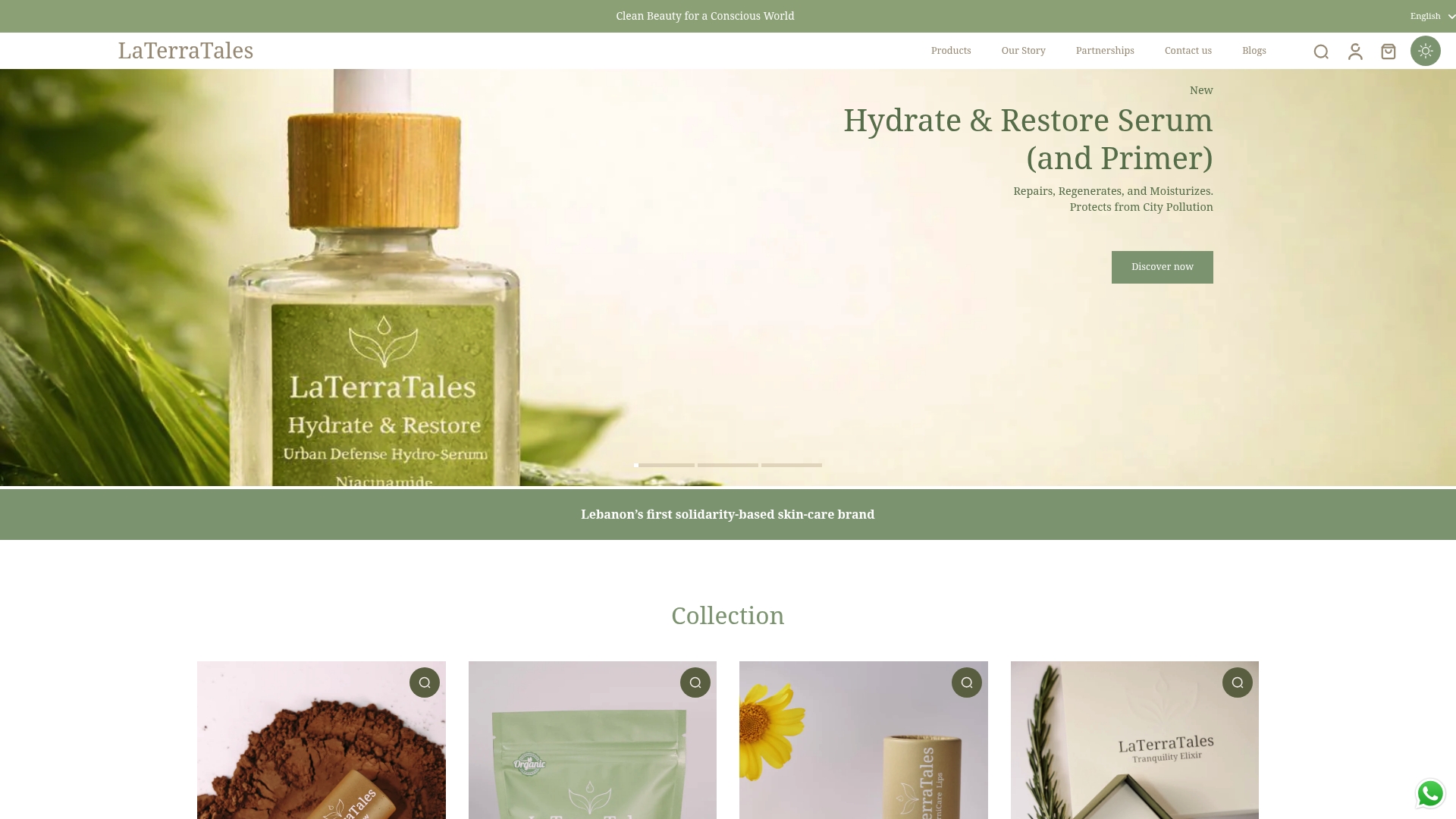
The natural skincare collection is the clearest starting point, designed specifically for sensitive and eco-conscious skin with the heritage ingredients covered in this guide. For a ritual-ready first purchase, the handmade natural cleanser bar pairs the laurel-and-olive cleansing tradition with a zero-waste solid format. If you want to explore the full range, including botanical oils and wellness infusions, the self-care bundles offer a curated way to begin. Browse the collection and find the ritual that fits your skin.
Useful sources
These sources were selected for scientific rigor, ethnobotanical depth, or practitioner authority, covering the ingredient evidence, traditional practices, and safety guidance referenced throughout this guide.
- Ethnobotanical and Economic Importance of Wild Plant Species of Jabal Moussa Bioreserve, Lebanon — Documents over 130 plant species used for medicinal and cosmetic purposes in Lebanese reserves.
- A review on olive oil and Nigella sativa: composition and biological activity — Covers polyphenol content, fatty-acid profiles, and topical application evidence for EVOO and black seed oil.
- Black seed oil benefits: Health, skin, and side effects — Medical News Today — Accessible overview of thymoquinone activity and traditional topical uses of Nigella sativa.


