

Stop Steroid Rebound: Perioral Dermatitis Skincare for Sensitive Skin
Stop applying topical steroids to your face, including over-the-counter hydrocortisone, and set aside heavy creams for now. Switch to a minimalist, fragrance-free routine built around a gentle cleanser and, only if needed, a bland moisturizer. Expect skin to look worse before it improves, especially if you were using a steroid cream. See a dermatologist if the rash spreads, burns, or doesn’t calm within a few weeks.
TL;DR:
- Topical steroids and heavy occlusive skincare products are primary triggers, and avoiding them is essential for recovery.
- Use only water or a mild, non-foaming cleanser twice daily during a flare, and apply moisturizer only if the skin feels tight.
- Expect recovery to take several weeks to months, with possible initial worsening and rebound flares after stopping steroids.
- Reintroduce skincare products gradually over a 2-3 week period, patch testing each new item to prevent relapse.
- Recurrent cases often involve triggers like fluoride toothpaste or occlusive makeup, requiring ongoing routine adjustments and possible patch testing.
Table of Contents
- What Does a Perioral Dermatitis Skincare Routine Look Like During a Flare?
- When Should You See a Dermatologist for Perioral Dermatitis Treatment?
- What Triggers Perioral Dermatitis and How Do You Audit Your Routine?
- How Do You Safely Reintroduce Products After a Flare Clears?
- What Should You Expect Day to Day During Recovery?
- What Causes Perioral Dermatitis in the First Place?
- How Can Lifestyle Changes Help Prevent Flare-Ups?
- Are There Home Remedies That Actually Help Perioral Dermatitis?
- How Long Does Perioral Dermatitis Take to Resolve?
- What If Perioral Dermatitis Keeps Coming Back?
- Is It Perioral Dermatitis, Acne, or Something Else?
- Why LaTerraTales Builds for Skin Like This
- Sensitive Skin Products That Fit a Minimalist Recovery Routine
- Sources
What Does a Perioral Dermatitis Skincare Routine Look Like During a Flare?
The instinct when your skin looks inflamed is to reach for more products. With perioral dermatitis, that instinct works against you. Dermatologists describe the condition as one where “more is less” applies almost literally: the fewer things touching your skin, the faster it settles.
Here’s the daily protocol for an active flare:
- Cleanse with water alone, or a very mild, non-foaming cleanser, once or twice a day. Skip morning and evening double cleansing rituals entirely.
- Pat your face dry with a soft towel. Never rub or scrub, even lightly, since friction reactivates the inflammation.
- Apply moisturizer only if your skin genuinely feels tight or dry, not as a routine step. Choose something with a short ingredient list and no fragrance.
- Skip sunscreen products that feel heavy or greasy. A hat or shade works better than an occlusive SPF cream during the worst of a flare.
While that routine sounds sparse, the stop list matters just as much as the keep list:
- Topical steroids of any strength, including hydrocortisone bought without a prescription
- Heavy balms, occlusive ointments, and thick night creams
- Physical or chemical exfoliants, scrubs, and cleansing brushes
- Retinoids and retinol serums
- Benzoyl peroxide and salicylic acid, even in small concentrations
- Makeup applied directly over inflamed skin, at least for the first week or two
If you do need midday protection, a lightweight mineral sunscreen fluid tends to sit better than a cream formula, though even that should wait until the worst of the irritation has settled.
Pro Tip: Keep a small bottle of plain, fragrance-free moisturizer on your nightstand and only reach for it when your skin actually pulls or feels tight. Using it “just in case” is how a minimalist routine quietly turns into an occlusive one again.
When Should You See a Dermatologist for Perioral Dermatitis Treatment?
Give the minimalist approach some time before expecting real results. Some rebound flaring is normal, especially if you were using a steroid cream. But certain signs mean you shouldn’t wait it out alone.
Book an appointment if you notice:
- Spreading beyond the mouth toward the eyes or across the cheeks
- Severe burning, weeping, or crusting
- No improvement after several weeks of a genuinely minimal routine
- Recurring flares that keep coming back despite avoiding known triggers
When conservative care isn’t enough, dermatologists typically prescribe topical metronidazole (0.75%) or erythromycin (2%), applied once or twice daily, with visible improvement usually building over four to eight weeks rather than overnight. Azelaic acid and topical calcineurin inhibitors like tacrolimus are alternatives, particularly for people who can’t tolerate metronidazole.
For more stubborn or widespread cases, oral antibiotics such as doxycycline or minocycline are standard, typically prescribed for several weeks. Children and pregnant patients are usually switched to erythromycin instead, since tetracycline-class antibiotics carry risks in those groups.
One warning deserves real weight here: stopping a steroid you’ve used on your face, especially anything medium or high potency, can trigger a rebound flare that looks worse than the original rash. A clinician may recommend a supervised taper rather than quitting cold, particularly if you’ve used steroid creams for weeks or months.
What Triggers Perioral Dermatitis and How Do You Audit Your Routine?
Some triggers are obvious once named. Others hide in places you’d never suspect.
The usual suspects include:
- Topical steroids, by far the most common driver
- Occlusive moisturizers and thick night creams
- Heavy foundation or concealer worn daily
- Physical (mineral) sunscreens applied too thickly
- Exfoliating acids and scrubs used near the mouth or nose
Then there are the triggers most people never think to question. Fluoridated toothpaste and chewing gum have both been linked to perioral dermatitis in resistant cases, along with certain dental materials. Switching to a non-fluoridated toothpaste is worth trying if a rash lingers despite an otherwise clean routine.
Reaching for acne treatments is a common misstep, too. Because the bumps look similar to acne, people apply benzoyl peroxide or salicylic acid, which almost always makes things worse rather than better.
Run this quick audit this week: check your toothpaste label, pause any product you introduced in the last month, stop wearing face makeup for a few days, and consider whether a pillowcase, face mask, or scarf is holding product residue against your skin. Reviewing which ingredients tend to provoke sensitive skin can help you spot a hidden irritant faster.
Pro Tip: Write down every product you use for a week, including toothpaste and lip balm. Perioral dermatitis often traces back to something applied near, not directly on, the affected skin.
How Do You Safely Reintroduce Products After a Flare Clears?
Rushing back to your old routine is the single fastest way to relapse. A conservative, staged approach protects the progress you’ve made.
- Hold a strict minimalist reset for 2 to 3 weeks, longer if you’re still flaring at that point.
- Reintroduce one product every 5 to 7 days, watching closely before adding anything else.
- Follow this order: mild cleanser first, then a single bland moisturizer, then a light mineral sunscreen, then minimal makeup, and actives like retinoids or acids last of all, if ever.
- Patch test on your inner arm or jawline for a few days before applying anything new directly to the affected area.
- Stop immediately at the first sign of stinging, redness, or bumps, and step back to the previous stage.
This staged approach, sometimes called a reintroduction ladder, exists precisely to isolate which product caused a reaction. Keep notes as you go. If you add three products in one week and flare again, you’ve learned nothing about which one was responsible.
What Should You Expect Day to Day During Recovery?
Recovery from perioral dermatitis rarely moves in a straight line. Expect good days followed by a setback, particularly in the first week or two after stopping a steroid.
A few habits that ease sensitive skin recovery make the process easier:
- Take short, lukewarm showers rather than hot ones, which strip and irritate skin further
- Pat your face dry and apply moisturizer within minutes if your skin feels tight
- Dispense products with a small spatula instead of your fingers to avoid contaminating the jar
- Take a weekly photo in the same lighting so you can judge progress objectively, since day-to-day changes are hard to see in the mirror
If irritation flares every time you try a new product, even a supposedly gentle one, ask your dermatologist about formal patch testing to rule out a specific allergy.
Pro Tip: A product diary matters more than memory here. Most people underestimate how many small changes they made in a given week once they actually write them down.
What Causes Perioral Dermatitis in the First Place?
Perioral dermatitis isn’t fully understood, but a consistent pattern shows up across cases: something disrupts the skin barrier around the mouth, nose, or eyes, and inflammatory bumps follow. Topical steroids are the most consistently identified driver, likely because they thin the skin over time and alter its normal microbial balance.
Hormonal shifts play a role too, which explains why the condition disproportionately affects women between their 20s and 40s. Heavy, occlusive skincare compounds the problem by trapping moisture and bacteria against skin that’s already compromised. Fluoride exposure, whether from toothpaste or certain water sources, appears in a meaningful subset of cases, though it doesn’t affect everyone equally.
What makes perioral dermatitis frustrating is that it often looks like it needs more treatment when it actually needs less. The inflamed, bumpy texture resembles acne or an allergic reaction, so people layer on active ingredients meant to “fix” the skin. That approach backfires because the underlying issue isn’t excess oil or clogged pores. It’s a barrier that’s been pushed past its tolerance and needs space to recover, not more intervention.
Understanding this distinction changes how you approach every other part of treatment, from the products you choose to how long you’re willing to wait before judging results.
How Can Lifestyle Changes Help Prevent Flare-Ups?
Skincare choices get most of the attention, but daily habits outside your bathroom cabinet matter just as much for keeping perioral dermatitis from coming back.
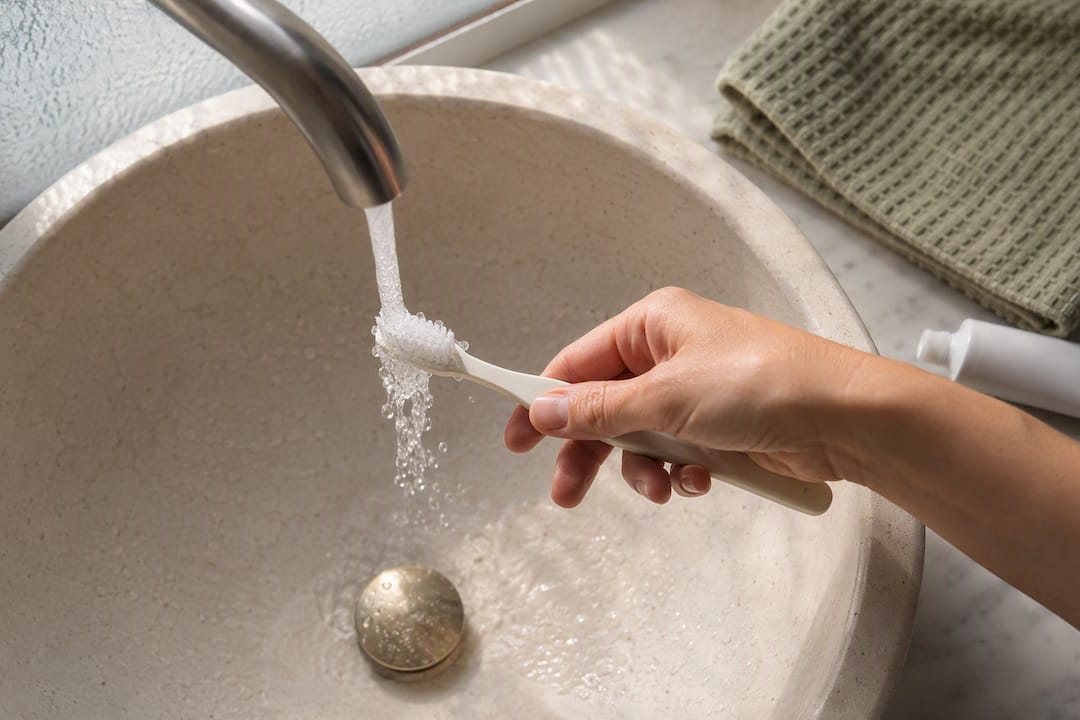
Start with your toothpaste and dental habits. If you’ve ruled out obvious skincare triggers and still flare, switching to a non-fluoridated toothpaste for a few weeks is a reasonable experiment. The same goes for chewing gum, which keeps saliva and additives in near-constant contact with the skin around your mouth.
Fabric contact deserves a look too. Pillowcases, face masks, scarves, and even phone screens pick up product residue and skin oils that get reintroduced to your face repeatedly. Washing pillowcases more often, in fragrance-free detergent, removes one more variable.
Stress and hormonal fluctuation also correlate with flare timing for many people, even though the mechanism isn’t fully mapped. Tracking your cycle or stress levels alongside your skin can reveal patterns you’d otherwise miss.
Finally, resist the urge to switch products frequently while your skin is healing. Every new cleanser, serum, or sunscreen is a fresh variable, and perioral dermatitis punishes inconsistency. Sticking with the same small set of products for weeks, even when you’re tempted to try something new, gives your skin the stable environment it needs to actually recover.
Are There Home Remedies That Actually Help Perioral Dermatitis?
Search results for perioral dermatitis are full of home remedy suggestions, and most of them range from harmless to counterproductive. It helps to know which ones have a reasonable basis and which ones simply sound soothing.
Cool compresses using plain water can calm burning or stinging during a flare without adding any product to the skin. That’s about as close to a guaranteed-safe remedy as this condition has. Bland, short-ingredient moisturizers, the kind marketed for eczema-prone or reactive skin, tend to be the safest option when your skin needs something beyond water alone.
Where people run into trouble is with remedies borrowed from acne or general skincare advice: tea tree oil, apple cider vinegar toners, baking soda pastes, and essential oil blends. These are common suggestions across wellness forums, but they introduce exactly the kind of irritation and fragrance load that perioral dermatitis reacts badly to. Skip them, even if a product claims to be “natural” or “gentle.” Natural doesn’t mean non-irritating, and essential oils in particular are frequent sensitizers.
If you want a soothing step beyond plain water, a fragrance-free barrier ointment formulated for sensitive or compromised skin, used sparingly, is a reasonable middle ground. The goal isn’t to add more, but to support whatever minimal moisture your skin genuinely needs while it heals.
How Long Does Perioral Dermatitis Take to Resolve?
Timelines vary widely, and that variation is often what frustrates people most. A mild case caught early, with steroids stopped and a minimalist routine adopted immediately, can clear in as little as four to six weeks. More established cases, especially those involving months of steroid use, often take two to three months to fully resolve, sometimes longer.
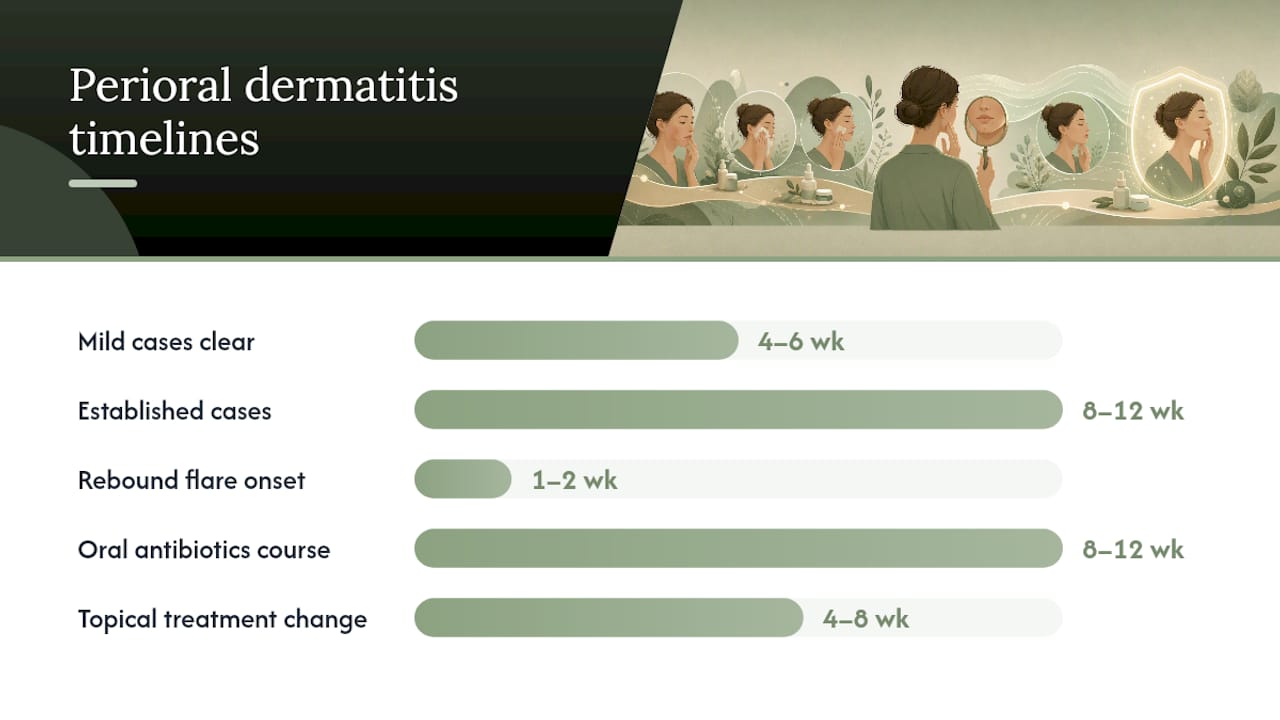
The recovery curve rarely trends steadily upward. Most people who stop a steroid cream see a rebound flare within the first one to two weeks, which can feel like proof the new routine isn’t working. It usually is working. The rebound is a known, temporary phase, not a sign of failure.
Oral antibiotic courses, when prescribed, typically run 8 to 12 weeks, and visible improvement tends to build gradually across that window rather than resolving in the first few days. Topical prescriptions like metronidazole or erythromycin usually show meaningful change within four to eight weeks of consistent use.
Patience matters more here than in almost any other skin condition. Judging your routine too early, then switching approaches every week or two, is one of the most common reasons perioral dermatitis drags on far longer than it needs to.
What If Perioral Dermatitis Keeps Coming Back?
Recurrent perioral dermatitis is common enough that dermatologists treat it as a pattern to manage, not a one-time problem to solve. If you’ve cleared a flare before and it returns, the first step is retracing what changed. A new toothpaste, a new moisturizer, a stressful period, or a skipped patch test often explains the relapse.
For people with genuinely chronic or frequently recurring perioral dermatitis, a longer-term maintenance approach works better than repeatedly starting from scratch. That typically means keeping a permanently pared-down routine rather than gradually rebuilding to a full multi-step regimen, since the “fuller” routine may be exactly what triggered the last flare.
Some dermatologists recommend periodic, low-dose oral antibiotics for people with a documented history of severe or frequent recurrence, though this is decided case by case rather than applied universally. Others focus on identifying a single stubborn trigger, often fluoride or an occlusive ingredient, that keeps resurfacing across flares.
If you’re cycling through flares every few months despite careful product choices, ask your dermatologist about patch testing for contact allergens and a formal trigger review. Chronic cases benefit from documentation over time far more than from trying yet another new cream.
Is It Perioral Dermatitis, Acne, or Something Else?
Confusing perioral dermatitis with acne is understandable, and it’s also one of the most damaging mistakes readers make. Perioral dermatitis lacks the comedones, blackheads, and whiteheads that define acne, and it clusters specifically around the mouth, nose, and sometimes the eyes rather than spreading across the cheeks and forehead the way acne often does.
Rosacea is a closer look-alike, and the two conditions can genuinely coexist. Rosacea tends to bring visible flushing, broken capillaries, and a broader facial distribution, while perioral dermatitis stays clustered in a telltale band around the mouth with a distinctive clear zone right at the lip border.
Seborrheic dermatitis, another common mix-up, usually comes with flaking and greasy scale, particularly around the eyebrows, nose creases, and hairline, rather than the small, uniform bumps typical of perioral dermatitis.
The clearest tell across all of these: if a rash worsens after you apply a steroid cream or an acne treatment, that reaction itself points toward perioral dermatitis. Acne and seborrheic dermatitis don’t typically react that way. When you’re not sure which condition you’re dealing with, a dermatologist can usually confirm it in a single visit, and getting it right matters because the correct treatment for one condition can actively worsen another.
Why LaTerraTales Builds for Skin Like This
We built LaTerraTales around a simple observation: most skincare irritation comes from what’s added, not what’s missing. That philosophy lines up closely with how dermatologists approach perioral dermatitis itself. Our formulas favor short ingredient lists, fragrance-free bases, and barrier-supporting choices over long lists of actives competing for space on inflamed skin.
That matters at every stage of the routine above. A gentle cleanser bar fits the reset phase. A light, bland emollient fits the moisturizing step once your skin actually needs it. A non-occlusive lip balm fits the reintroduction phase, when you’re ready to add products back without overwhelming healing skin.
None of this replaces a dermatologist’s care. It simply gives you products built for the same minimalist logic your skin needs right now.
— LaTerraTales
Sensitive Skin Products That Fit a Minimalist Recovery Routine
If you’re rebuilding your routine from almost nothing, the products you choose next matter more than usual. LaTerraTales’ natural skincare collection for sensitive skin was formulated around short ingredient lists and fragrance-free bases, the same principles behind the minimalist approach dermatologists recommend for perioral dermatitis.
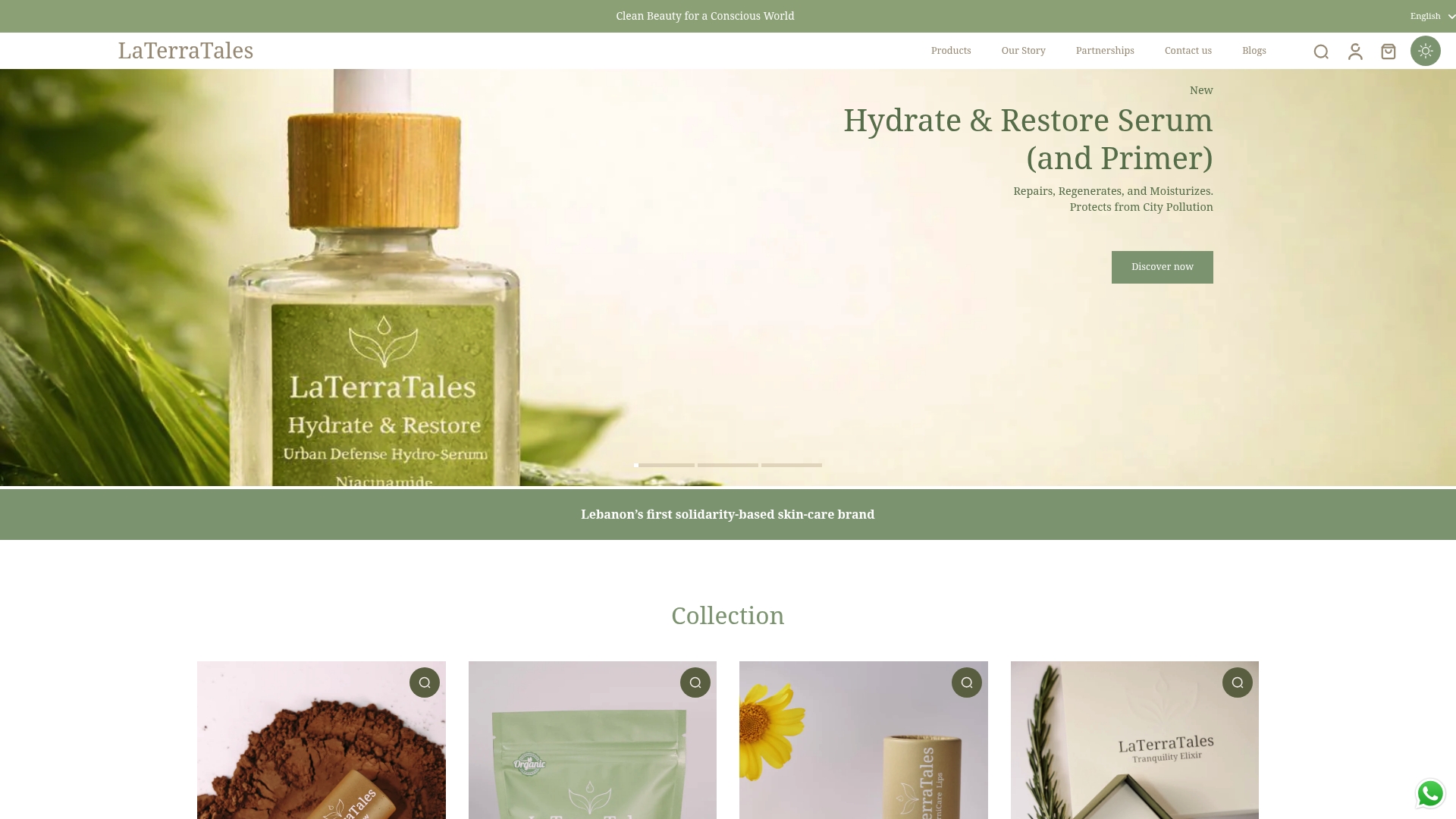
For the cleansing step, our handmade natural cleanser bar skips foaming agents and fragrance load, making it a reasonable fit for the gentle, non-stripping wash your skin needs during a flare. When you’re ready to reintroduce lip care, our Arnica lip balm offers a lighter, non-occlusive alternative to heavy balms that can trap irritation against already sensitive skin. Always patch test any new product on your inner arm for a few days before bringing it near the affected area, even one formulated for sensitive skin.
None of this replaces a dermatologist’s diagnosis or prescription care. Think of these as practical, minimally formulated options to support the routine your clinician recommends, not a substitute for it. Browse the full natural skincare shop when you’re ready to rebuild your routine one careful step at a time.
Sources
- Perioral dermatitis: Symptoms, treatment, and prevention - Harvard Health
- Perioral dermatitis - Merck Manuals (Professional)
- Perioral Dermatitis - StatPearls / NCBI Bookshelf
- Perioral Dermatitis: Treatment, Symptoms & Causes - Cleveland Clinic
- Perioral (periorificial) dermatitis - UpToDate
Recommended
Partager


