
Plant-Based Skincare Ingredients: Your 2026 Guide
Plant-based skincare ingredients are functional components derived from plants such as leaves, roots, seeds, and flowers that perform key roles in natural skincare formulations. They include carrier oils like jojoba and argan, plant butters like shea and cocoa, botanical extracts rich in polyphenols and flavonoids, and clinically validated actives like bakuchiol. These ingredients deliver measurable skin benefits including hydration, antioxidant protection, soothing, and barrier support. At LaTerraTales, plant-derived skincare is not a trend. It is the foundation of every formula we create for sensitive, conscious skin.
What are plant-based skincare ingredients and their main types?
Plant-based skincare ingredients fall into three broad categories, each with a distinct function in your routine.
Carrier oils and plant butters form the base of most natural formulas. Jojoba and argan oils are excellent moisturizers and barrier-support agents, delivering nourishment without clogging pores. Shea butter adds occlusive protection and soothes dry, reactive skin. These ingredients work by mimicking the skin’s natural lipid structure, which makes them especially compatible with sensitive skin types.
Botanical extracts are concentrated plant compounds that target specific skin concerns. Key examples include:
- Green tea extract: Rich in catechins and polyphenols, it delivers antioxidant and anti-inflammatory protection.
- Centella asiatica: A wound-healing herb that calms redness, supports collagen synthesis, and strengthens the skin barrier.
- Rosehip extract: High in vitamin C precursors and fatty acids, it brightens and repairs uneven skin tone.
- Chamomile extract: A gentle anti-inflammatory that soothes irritation and reduces visible redness.
Plant-derived actives are the most clinically studied category. Bakuchiol, sourced from the seeds of the Psoralea corylifolia plant, is the standout example. It functions as a natural alternative to retinol, stimulating collagen production and reducing fine lines without the dryness or peeling that retinol commonly causes. For a deeper look at botanical skincare oils and how they fit into a complete routine, the distinctions between these categories matter more than most labels suggest.
What does the science say about plant-based ingredient benefits?
The science behind botanical skincare is more specific than most product labels suggest. Polyphenols and flavonoids modulate key biological pathways in skin, including oxidative stress reduction, inflammation control, and extracellular matrix remodeling. These are not surface-level effects. They represent real changes in how skin cells function and repair themselves.
Bakuchiol has the strongest clinical record among plant-derived actives. A 12-week randomized trial with 44 participants showed that 0.5% bakuchiol performed comparably to 0.5% retinol in reducing wrinkles and hyperpigmentation. Critically, bakuchiol caused significantly less irritation. That result matters because it means you can pursue anti-aging benefits without the adjustment period that retinol typically demands. For more on how these actives work alongside antioxidants, the antioxidants and anti-aging guide from LaTerraTales covers the mechanisms clearly.
“Evidence for botanicals exists on a spectrum. Ingredients like bakuchiol have strong clinical backing, while others require more standardized long-term studies to confirm visible skin benefits in humans.” — Botanical Skincare: Proven Actives vs. Hype
Green tea polyphenols illustrate this spectrum well. Laboratory and animal data confirm strong antioxidant and anti-inflammatory activity. Human trial results, however, are mixed. The problem is formulation stability. Green tea compounds degrade quickly when exposed to light and air, which means many products deliver far less active ingredient than the label implies. This is why delivery technology matters as much as ingredient selection.
How do formulation challenges affect plant-based skincare?
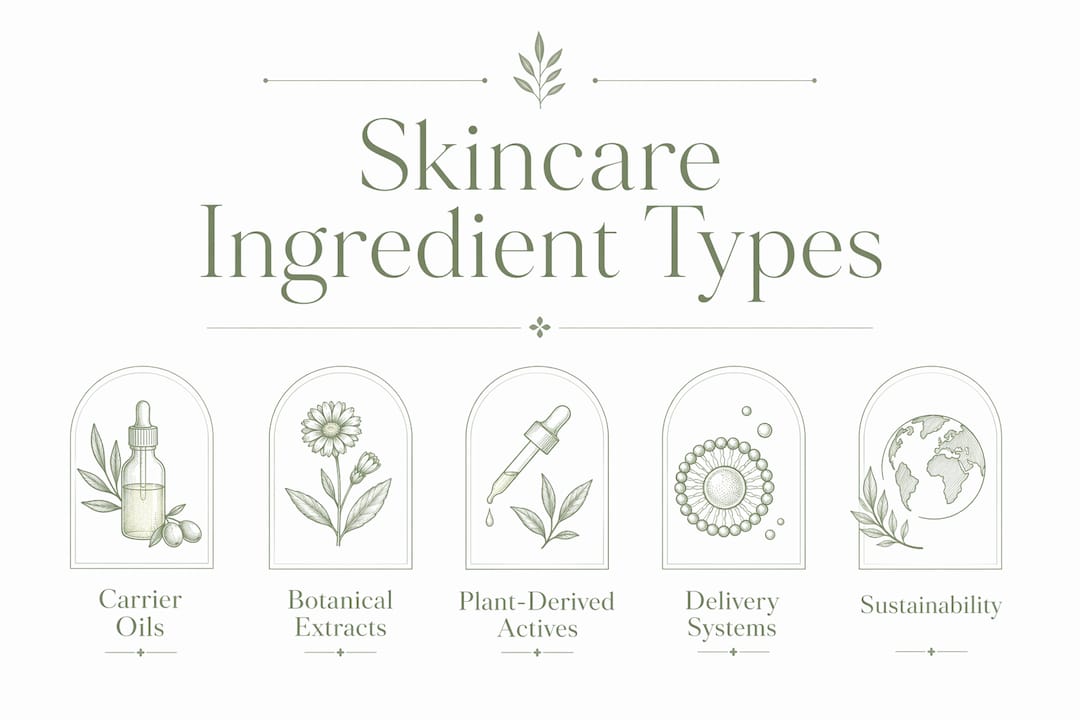
Botanical ingredients present real formulation problems that affect how well they work on your skin. Instability, poor penetration, and compositional variability are the three core challenges. A plant extract harvested in different seasons or regions can vary significantly in its active compound concentration, which makes consistent product performance difficult to guarantee.
Advanced delivery systems address these problems directly. The table below compares the main approaches:
| Delivery system | Primary benefit | Best suited for |
|---|---|---|
| Nanoemulsions | Improved skin penetration and stability | Antioxidants, polyphenols |
| Solid lipid nanoparticles | Controlled release and protection from degradation | Sensitive actives like bakuchiol |
| Microneedle platforms | Deep dermal delivery | High-molecular-weight botanicals |
| Fermented botanicals | Enhanced bioavailability and skin affinity | Broad-spectrum plant extracts |
Fermented botanicals break complex plant compounds into smaller molecules, which the skin absorbs more readily. Fermentation also increases the skin affinity of these compounds, meaning they interact more effectively with skin cells rather than sitting on the surface. This is why fermented ingredients like galactomyces and fermented rice water have moved from traditional beauty rituals into evidence-backed modern formulas.
Sustainability-by-design is now reshaping how brands approach botanical ingredient sourcing and processing. The goal is to couple environmental responsibility with delivery performance, not treat them as competing priorities. Upcycled bioactives, meaning compounds extracted from agricultural byproducts like fruit seeds and grape skins, represent one of the most promising directions in this space.
Pro Tip: When reading a product label, look for botanical extracts listed with a standardized percentage (e.g., “0.5% bakuchiol” or “5% green tea extract”). Standardization means the active compound concentration is controlled, which is the only way to predict consistent results.
How to choose plant-based skincare ingredients for your skin
Choosing plant-derived skincare products effectively starts with matching the ingredient to your specific skin concern, not just the “natural” label on the front of the packaging.
- For anti-aging: Look for bakuchiol (0.5% or higher), rosehip oil, and vitamin C from plant sources like kakadu plum or sea buckthorn. These ingredients support collagen synthesis and reduce oxidative damage.
- For hydration: Hyaluronic acid derived from plant fermentation, aloe vera gel, and glycerin from vegetable sources are the most reliable options. They attract and retain moisture without heaviness.
- For sensitive or reactive skin: Centella asiatica, oat extract (colloidal oatmeal), and chamomile are clinically recognized as calming agents. They reduce redness and support barrier repair.
- For brightening: Niacinamide (plant-derived), licorice root extract, and kojic acid from fermented fungi address hyperpigmentation without the irritation risk of synthetic brighteners.
One fact that surprises many people: natural ingredients can still irritate sensitive skin. Essential oils like lavender and peppermint are among the most common causes of contact dermatitis in skincare products. “Natural” does not equal “low risk.” Fragrance compounds in botanical formulas are a particular concern for reactive skin types.
Reading labels with this knowledge changes how you shop. Prioritize products that list active botanicals with their concentration, avoid formulas where “fragrance” or “parfum” appears without specification, and choose brands that publish their sourcing and stability testing practices. For a broader overview of what natural skincare really means, the distinction between marketing language and formulation integrity is worth understanding before you buy.
Pro Tip: Patch test any new botanical product on your inner arm for 48 hours before applying it to your face. Even well-formulated natural products can trigger reactions in individual skin types, and this simple step saves you from a week of irritation.
Key Takeaways
Plant-based skincare ingredients deliver real, measurable skin benefits when selected and formulated with scientific rigor rather than marketing intent alone.
| Point | Details |
|---|---|
| Three core categories | Carrier oils, botanical extracts, and plant-derived actives each serve distinct skin functions. |
| Bakuchiol leads clinical evidence | A 12-week trial confirmed bakuchiol matches retinol’s results with significantly less irritation. |
| Delivery technology matters | Nanoemulsions and fermentation improve how well botanical actives penetrate and perform in skin. |
| Natural does not mean risk-free | Essential oils and fragrance compounds in botanical formulas are common irritants for sensitive skin. |
| Standardization signals quality | Products listing active botanical concentrations offer more predictable and consistent results. |
The honest truth about botanical skincare in 2026
At LaTerraTales, we have spent years working with plant-derived ingredients, and the most important thing I can tell you is this: the gap between a well-formulated botanical product and a poorly formulated one is enormous. The ingredient name on the label tells you almost nothing on its own.
The industry has a habit of celebrating the plant source while ignoring the delivery. A serum can contain centella asiatica and still deliver none of its active compounds to the skin if the formulation is unstable or the concentration is too low to matter. This is where informed consumers have a real advantage. When you know to ask about standardization, stability, and delivery systems, you stop buying stories and start buying results.
The future of plant-based skincare is genuinely exciting. Upcycled bioactives, fermentation technology, and nano-delivery systems are closing the performance gap between botanical and synthetic ingredients. But the brands worth trusting are the ones that show their work. Transparency about sourcing, concentration, and testing is not a marketing bonus. It is the baseline for any brand that takes evidence-based natural beauty seriously.
My advice: be as discerning about your botanicals as you would be about any other active ingredient. The plant kingdom offers genuinely powerful skincare solutions. You just need to know which ones have earned that reputation.
— LaTerraTales
Plant-based skincare from LaTerraTales
LaTerraTales builds every product around plant-derived ingredients that have earned their place through science, not just tradition. Our Bakuchiol Serum Lift & Calm delivers 0.5% bakuchiol alongside squalane for a formula that firms, calms, and visibly reduces fine lines without irritation. It is the kind of product that makes the clinical research feel real on your skin.
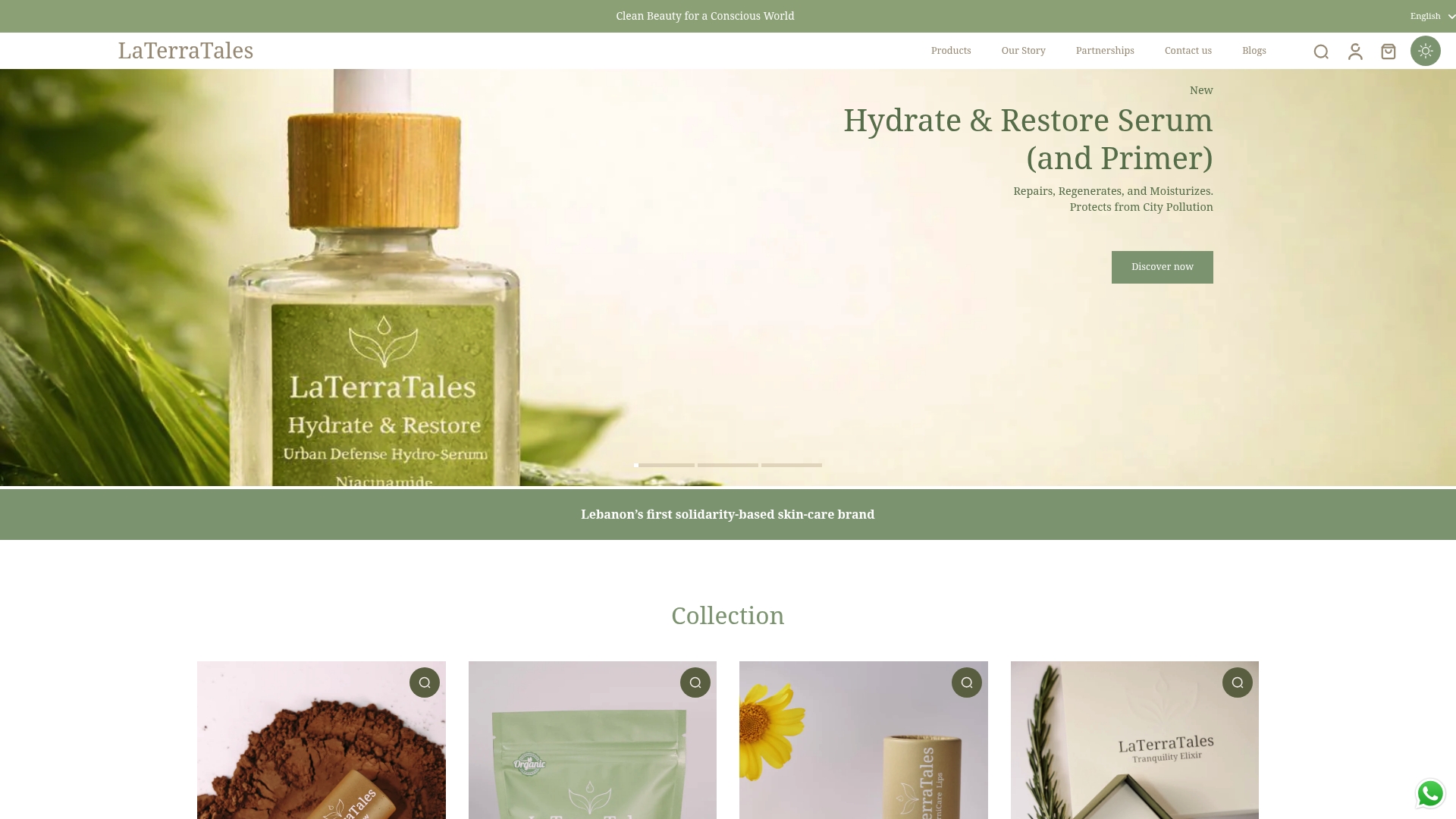
For those building a complete natural routine, our natural skincare collection brings together botanical oils, gentle cleansers, and targeted treatments formulated for sensitive skin. Every product is eco-conscious, sustainably packaged, and made without compromise. If you want to see what organic beauty alternatives look like when formulation integrity comes first, this is where to start.
FAQ
What are plant-based skincare ingredients?
Plant-based skincare ingredients are functional components sourced from leaves, roots, seeds, and flowers. They include carrier oils, botanical extracts, and plant-derived actives like bakuchiol, each performing specific roles in hydration, antioxidant protection, and skin repair.
Is bakuchiol really as effective as retinol?
A 12-week clinical trial showed that 0.5% bakuchiol performed comparably to 0.5% retinol in reducing wrinkles and hyperpigmentation, with significantly less irritation. It is the most clinically validated plant-based alternative to retinol currently available.
Can plant-based ingredients irritate sensitive skin?
Yes. Natural ingredients like lavender essential oil and peppermint are common causes of contact dermatitis. “Natural” does not guarantee low irritation risk, so patch testing and avoiding unspecified fragrance compounds is always recommended.
What should I look for when choosing botanical skincare products?
Prioritize products that list active botanical concentrations, use stabilized delivery systems, and avoid vague “fragrance” listings. Standardized extracts with published concentrations deliver more consistent and predictable results than unlisted botanical blends.
How does fermentation improve plant-based skincare?
Fermentation breaks complex plant compounds into smaller molecules, which the skin absorbs more readily. This process increases bioavailability and skin affinity, making fermented botanicals more effective than their unfermented equivalents in many formulations.


