

Types of Botanical Skincare Oils: Your Complete Guide
Botanical skincare oils are fixed plant-based oils extracted from seeds, fruits, and nuts, and they are among the most nutrient-dense ingredients in natural skincare. These oils deliver fatty acids, antioxidants, and fat-soluble vitamins directly to your skin’s surface, where they nourish, protect, and support the skin barrier. Jojoba, rosehip, argan, and grapeseed are among the most recognized types of botanical skincare oils, each with a distinct fatty acid profile that determines which skin type it suits best. In Lebanon, where skin faces both humid coastal summers and dry inland winters, choosing the right plant-based oil is not just a preference. It is a practical decision that shapes your skin’s long-term health.
What are the main types of botanical skincare oils?
The most useful way to classify botanical skincare oils is by their dominant fatty acid: linoleic acid or oleic acid. This single factor predicts how an oil will feel on your skin and which concerns it will address most effectively.
Linoleic acid-rich oils are lightweight and absorb quickly. Grapeseed oil contains 70% linoleic acid, and rosehip oil contains around 54%. These oils are ideal for oily and acne-prone skin because they help rebalance sebum composition without clogging pores. Despite the common misconception that oily skin should avoid oils entirely, linoleic acid-rich oils like hemp seed and grapeseed can actually reduce congestion when the formula is clean and free of comedogenic additives.
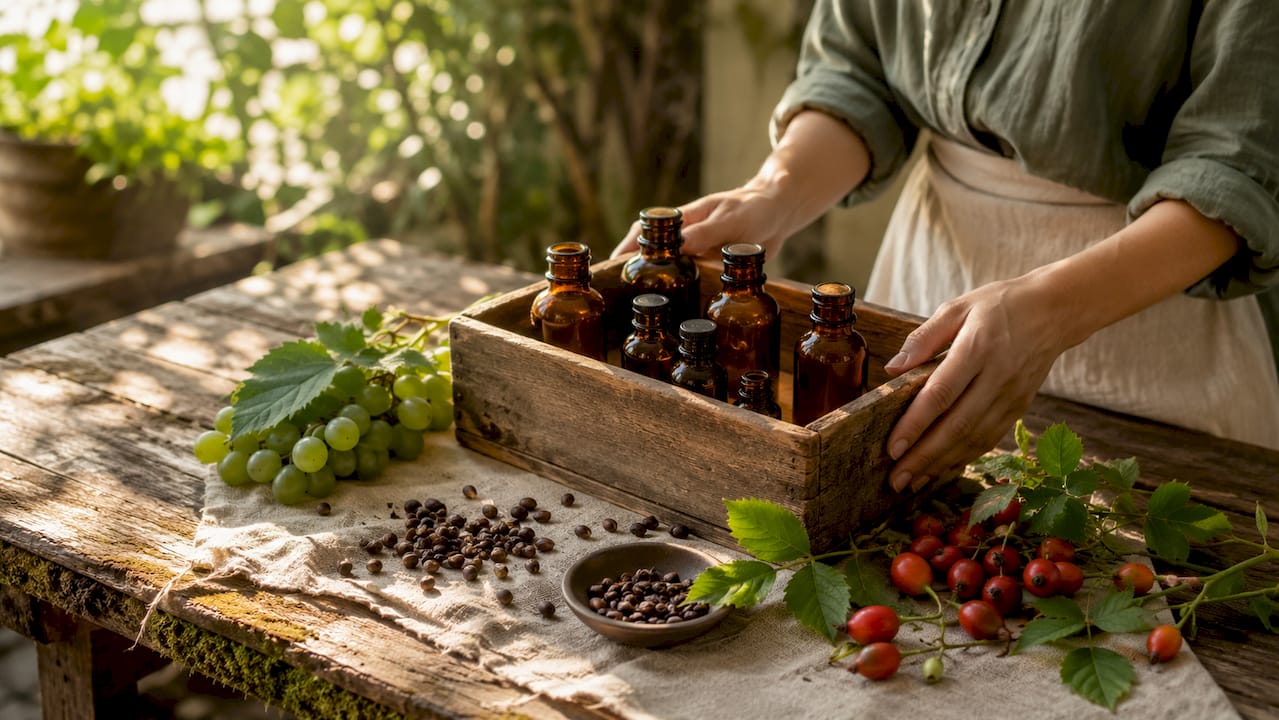
Oleic acid-rich oils are richer and more occlusive. Avocado oil contains roughly 70% oleic acid, and argan oil contains around 43%. These oils penetrate deeply and are best suited for dry, mature, or barrier-compromised skin. They repair and seal the skin barrier, making them excellent choices for nighttime use.
| Oil | Dominant Fatty Acid | Skin Type | Texture |
|---|---|---|---|
| Grapeseed | Linoleic (70%) | Oily, acne-prone | Very light |
| Rosehip | Linoleic (54%) | Oily, combination, aging | Light |
| Hemp seed | Linoleic (~57%) | Oily, sensitive | Light |
| Argan | Oleic (43%) | Dry, normal, mature | Medium |
| Avocado | Oleic (70%) | Dry, mature, eczema-prone | Rich |
| Jojoba | Wax ester (unique) | All skin types | Light-medium |
Pro Tip: If you are unsure of your skin type, observe how your skin feels two hours after cleansing with no products applied. Tightness points to dry skin; shine across the T-zone suggests combination; shine everywhere indicates oily skin.
Top 10 botanical oils and their best uses
1. Jojoba oil (Simmondsia chinensis)
Jojoba is technically a liquid wax, not an oil, and its molecular structure closely resembles human sebum. This makes it exceptionally well-tolerated by all skin types, including sensitive and reactive skin. It is a reliable daily moisturizer and an excellent carrier for layering with other actives.
2. Rosehip oil (Rosa canina)
Rosehip is cold-pressed from the seeds of wild rose hips and is rich in vitamin A precursors and linoleic acid. Consistent daily use of rosehip for 5–8 weeks produces visible reductions in wrinkles and pigmentation. It is one of the top botanical oils for daily skincare use among those targeting post-acne marks and early signs of aging.
- Pros: Brightening, anti-aging, lightweight
- Cons: Oxidizes quickly; store in a dark, cool place
3. Argan oil (Argania spinosa)
Argan is cold-pressed from the kernels of the Moroccan argan tree and has been used in North African and Levantine beauty rituals for centuries. It is rich in vitamin E and oleic acid, making it a nourishing choice for dry and mature skin. Its medium texture absorbs well without leaving a heavy residue.
- Pros: Nourishing, antioxidant-rich, versatile for face and hair
- Cons: Heavier feel; less suitable for very oily skin
4. Marula oil (Sclerocarya birrea)
Marula is pressed from the kernels of the African marula fruit and contains high levels of oleic acid and antioxidants. It absorbs faster than argan oil despite its richness, making it a strong candidate for nighttime use on dry or mature skin. Its oleic acid content supports barrier repair and deep nourishment.
- Pros: Fast-absorbing for its richness, anti-aging, soothing
- Cons: Premium price point; not ideal for oily skin
5. Hemp seed oil (Cannabis sativa)
Hemp seed oil contains a near-perfect 3:1 ratio of omega-6 to omega-3 fatty acids, which supports skin barrier function and reduces inflammation. It is one of the best oils for sensitive, reactive, or acne-prone skin. The role of rare botanical oils like hemp seed in skincare is increasingly recognized by dermatologists for its calming properties.
- Pros: Anti-inflammatory, balancing, non-comedogenic
- Cons: Strong natural scent; short shelf life
6. Squalane (plant-derived)
Squalane is a stabilized form of squalene, naturally found in olives and sugarcane. It mimics the skin’s own lipids and is one of the most skin-compatible oils available. Laterratales uses plant-derived squalane in its Bakuchiol Serum, pairing it with a natural retinol alternative for a weightless anti-aging effect.
- Pros: Odorless, non-comedogenic, stable, suits all skin types
- Cons: Less nutrient-dense than cold-pressed botanical oils
7. Avocado oil (Persea americana)
Avocado oil is one of the richest botanical oils available, loaded with oleic acid, vitamin E, and vitamin D. It is best used as a nighttime treatment for very dry or eczema-prone skin. Its thick texture makes it less suitable for daytime use or oily skin types.
- Pros: Deeply nourishing, healing, rich in fat-soluble vitamins
- Cons: Heavy; can feel greasy if over-applied
8. Tamanu oil (Calophyllum inophyllum)
Tamanu is cold-pressed from the nuts of a tropical tree native to Southeast Asia and the Pacific. It contains a unique compound called calophyllolide, which has documented anti-inflammatory and wound-healing properties. It is one of the most potent essential botanical oils for post-acne scarring and hyperpigmentation.
- Pros: Scar-fading, anti-inflammatory, deeply healing
- Cons: Very strong scent; best used in small amounts blended with a lighter oil
9. Camellia oil (Camellia sinensis)
Camellia oil is pressed from the seeds of the tea plant and has been a staple of Japanese skincare for generations. Its high oleic acid content makes it silky and deeply moisturizing without feeling heavy. It is an excellent choice for mature or dry skin seeking a refined, elegant texture.
- Pros: Silky texture, antioxidant-rich, anti-aging
- Cons: Less widely available; higher cost
10. Grapeseed oil (Vitis vinifera)
Grapeseed is a byproduct of wine production and one of the most affordable natural skincare oils. Its 70% linoleic acid content makes it one of the best oils for oily and acne-prone skin. It absorbs quickly and leaves no residue, making it a practical everyday option.
- Pros: Affordable, lightweight, non-comedogenic
- Cons: Oxidizes quickly; quality varies widely by brand
How to use botanical face oils daily for best results
Choosing the right oil is only half the work. How you apply it determines whether you get a radiant result or a greasy finish.
Step 1: Apply after water-based products. Oils are occlusive. They seal in hydration rather than deliver it. Apply your hyaluronic acid serum or toner first, then follow with your oil while your skin is still slightly damp. Applying oil on slightly damp skin improves absorption and prevents the greasy feeling that puts many people off facial oils.
Step 2: Use the right amount. Over-application is the most common mistake. The standard dose is 2–4 drops, warmed between your palms and pressed gently onto the face. Pressing rather than rubbing distributes the oil evenly without dragging or irritating the skin.
Step 3: Match the oil to the time of day. Lightweight oils like grapeseed, jojoba, and squalane work well in the morning under SPF. Richer oils like avocado, marula, and tamanu are better suited to nighttime routines when your skin is in active repair mode.
Step 4: Be consistent. Botanical oils work cumulatively over months and years by rebuilding the skin barrier. You will not see overnight results, and that is by design. Think of your oil as a daily guardian for skin stressed by city life, not a quick fix.
Pro Tip: Before adding any new oil to your routine, patch test it on the inside of your wrist for 24 hours. This is especially important for fragrant oils, since fragrance additives in botanical oils are a leading cause of irritation in sensitive skin types.
Choosing the right oil by skin concern and Lebanon’s climate
Lebanon’s climate adds a layer of complexity to oil selection. Coastal cities like Beirut experience high humidity in summer, which means heavy oils can feel suffocating and contribute to congestion. Inland areas and cooler months call for richer, more protective formulas.
| Skin Concern | Best Oil Choices | Texture | Season/Climate |
|---|---|---|---|
| Oily, acne-prone | Grapeseed, hemp seed, jojoba | Light | Year-round; ideal in humid Beirut summers |
| Dry, dehydrated | Avocado, marula, camellia | Rich | Fall and winter; inland regions |
| Sensitive, reactive | Jojoba, squalane, hemp seed | Light-medium | Year-round; avoid fragrant oils |
| Mature, aging | Rosehip, argan, tamanu | Medium | Year-round; richer options at night |
| Combination | Rosehip, jojoba | Light-medium | Adjust by season |
| Post-acne marks | Tamanu, rosehip | Medium | Year-round; use at night |
For combination skin in Lebanon, a practical approach is to use a lighter oil like jojoba in summer and switch to rosehip or argan in the cooler months. Seasonal rotation keeps your skin balanced without overloading it. Consistent small daily doses outperform heavy occasional application for every skin type and every climate.
Key takeaways
The most effective botanical skincare oil is the one matched to your skin’s fatty acid needs, applied consistently in small daily doses on slightly damp skin.
| Point | Details |
|---|---|
| Fatty acid profile matters most | Linoleic acid oils suit oily skin; oleic acid oils suit dry and mature skin. |
| Less is more | Two to four drops pressed onto damp skin delivers better results than heavy application. |
| Consistency builds results | Visible improvements from oils like rosehip emerge over 5–8 weeks of daily use. |
| Avoid fragrance in sensitive skin | Choose fragrance-free base oils to reduce the risk of irritation and reactivity. |
| Match oil to Lebanon’s climate | Use lighter oils in humid coastal summers and richer oils in cooler, drier months. |
What I have learned from years of working with botanical oils
Most people approach botanical oils looking for a fast transformation. They apply too much, expect results in a week, and give up when their skin looks shinier rather than healthier. The truth is that oils are not corrective treatments. They are maintenance tools, and the best results come from treating them that way.
My personal favorites are rosehip for its brightening effect on post-acne marks and jojoba for its year-round versatility. Neither is exotic or expensive. Both work because they are used correctly and consistently. The oils I am most cautious about recommending are those with added fragrance. A beautifully scented botanical oil feels luxurious, but fragrance in base oils is one of the most common triggers for contact dermatitis, especially in Lebanon where skin is already dealing with environmental stressors.
The other thing I want to push back on is the idea that oily skin should never use oils. This is simply wrong. Grapeseed and hemp seed oil, when formulated cleanly, help oily skin rebalance its own sebum production over time. The key word is time. Botanical oils rebuild the skin barrier cumulatively, not instantly. Give them months, not days, and you will see the difference.
— Laterratales
Discover clean botanical oils from Laterratales
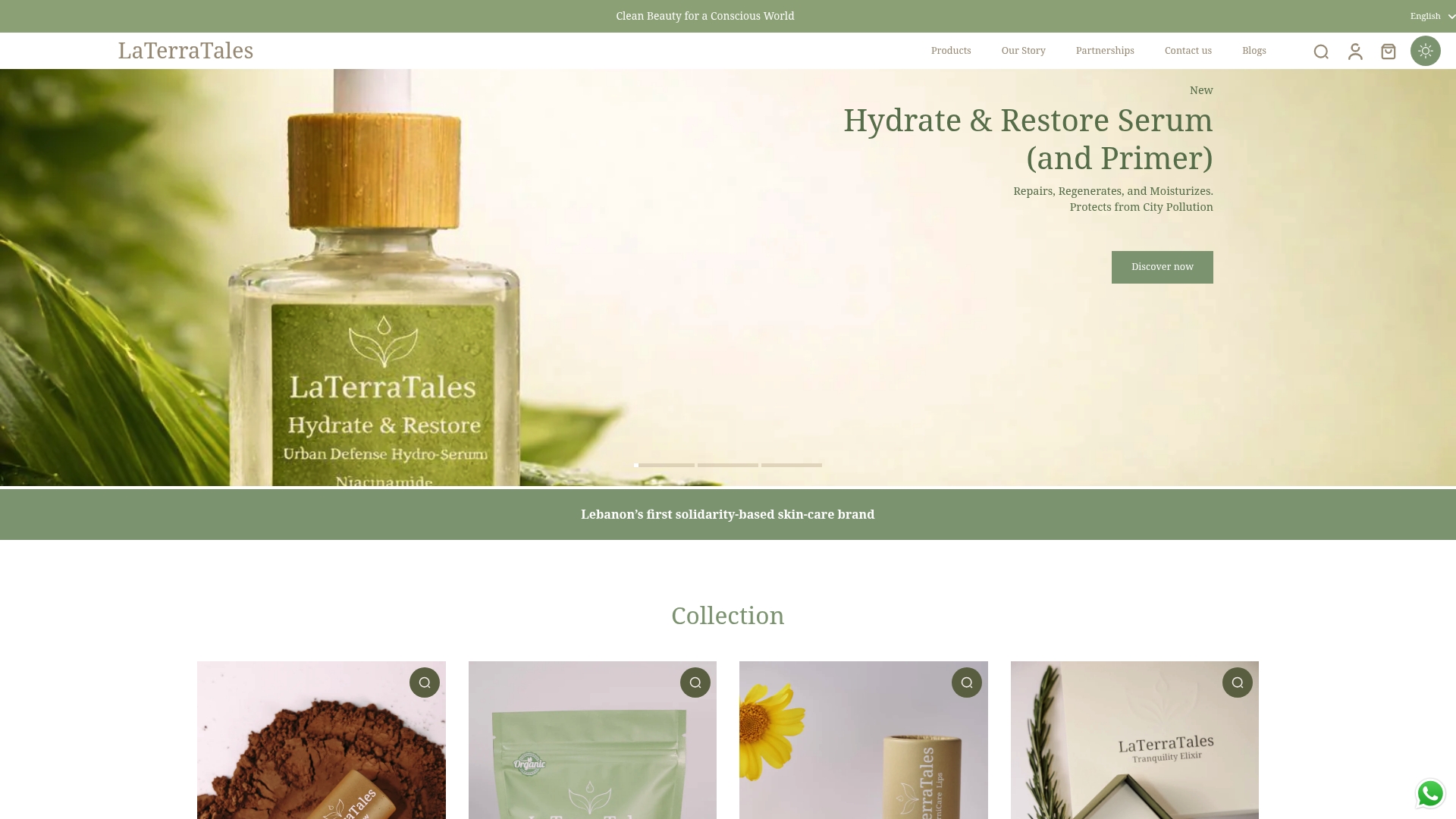
Laterratales is a French-Lebanese brand built around exactly this kind of intentional, science-backed natural skincare. Every product in the natural skincare collection is formulated for sensitive skin, free from unnecessary fragrance, and designed to work with Lebanon’s climate in mind. Whether you are starting with a lightweight daily oil or looking for a richer nighttime treatment, the range covers every skin type and concern. Not sure where to begin? The skin diagnostic quiz matches you with the right products based on your specific skin profile, so you spend less time guessing and more time seeing results. Your skin deserves a routine built around what it actually needs.
FAQ
What are botanical skincare oils?
Botanical skincare oils are fixed plant-based oils extracted from seeds, fruits, or nuts. They are rich in fatty acids, antioxidants, and vitamins that nourish and protect the skin.
Which botanical oil is best for oily or acne-prone skin?
Grapeseed oil and hemp seed oil are the top choices for oily and acne-prone skin. Both are high in linoleic acid, which helps rebalance sebum without clogging pores.
How often should you use botanical face oils?
Daily use is recommended for best results. Small doses applied consistently over 5–8 weeks produce visible improvements in skin texture, tone, and barrier strength.
Can you use botanical oils in Lebanon’s humid summer climate?
Yes, but choose lightweight oils like jojoba, grapeseed, or squalane during humid months. Save richer oils like avocado or marula for cooler, drier seasons or nighttime use.
Are fragrant botanical oils safe for sensitive skin?
Fragrance additives in botanical oils are a common cause of irritation for sensitive skin types. Choose fragrance-free base oils for the safest and most effective results.
Recommended
Partager


