
Wildcrafted Ingredients in Beauty: What They Really Are
What are wildcrafted ingredients in beauty?
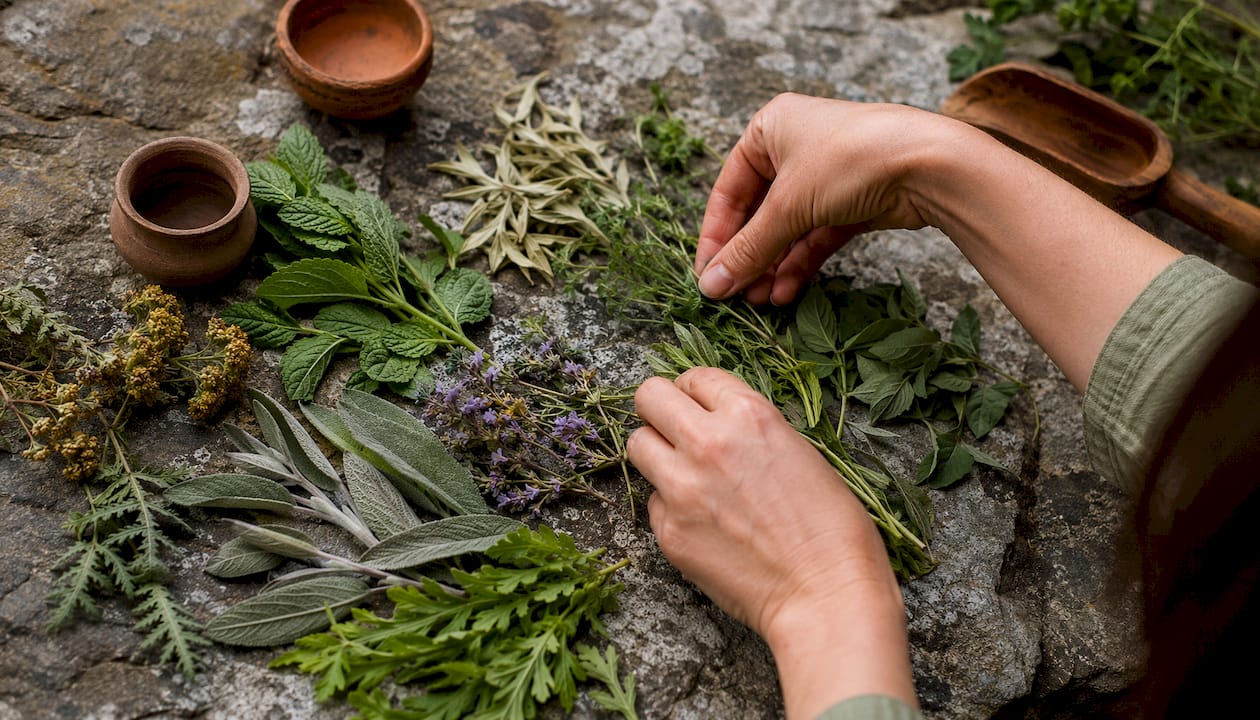
Wildcrafted ingredients are botanicals, herbs, and fungi harvested directly from their natural, uncultivated habitats, with no farming, synthetic fertilizers, or human cultivation involved. Think forest floors, mountain meadows, riverbanks, and coastal cliffs, where plants grow entirely on their own terms. That distinction is the foundation of wildcrafted beauty.
The practice itself is ancient. Indigenous communities across the Americas have harvested wild plants for skin and body care for centuries. What’s new is the beauty industry’s recognition that these untouched botanicals often carry a potency that farmed alternatives simply can’t match.
Some of the most common wildcrafted plants used in skincare include:
- Dandelion for smoothing and brightening
- Chamomile for calming and strengthening the skin barrier
- Goji berries for antioxidant protection
- Sage for its antimicrobial and toning properties
- Arnica and calendula as natural anti-inflammatories
- Sea buckthorn for deep hydration in harsh coastal climates
- Bakuchiol, derived from the wild babchi plant, as a gentler alternative to retinol
Because these plants grow in competitive, unpredictable environments, they develop higher concentrations of protective phytochemicals. Your skin gets the benefit of that resilience when you apply them topically.
How do wildcrafted ingredients compare to organic and commercial ones?
The differences between wildcrafted, organic, and commercial ingredients run deeper than a label. Each category reflects a fundamentally different relationship between the plant and its environment.
| Feature | Wildcrafted | Organic | Commercial |
|---|---|---|---|
| Source environment | Wild, uncultivated ecosystems | Controlled organic farm | Conventional farm or greenhouse |
| Chemical exposure during growth | None naturally | Strictly regulated, no synthetics | Often includes pesticides and fertilizers |
| Nutrient and phytochemical density | Often highest due to environmental stress | Generally high, consistent quality | Variable, often lower |
| Sustainability and ethics | Low impact if harvested responsibly; risk of overharvesting | Supports regenerative agriculture | Can involve monoculture and soil depletion |
| Typical botanicals | Dandelion, arnica, sea buckthorn, sage | Lavender, aloe vera, calendula | Rose extract, green tea, vitamin C derivatives |
| Certification | Rarely certified; relies on third-party ethics or transparency | Regulated by USDA Organic or equivalent | No specific natural standard required |
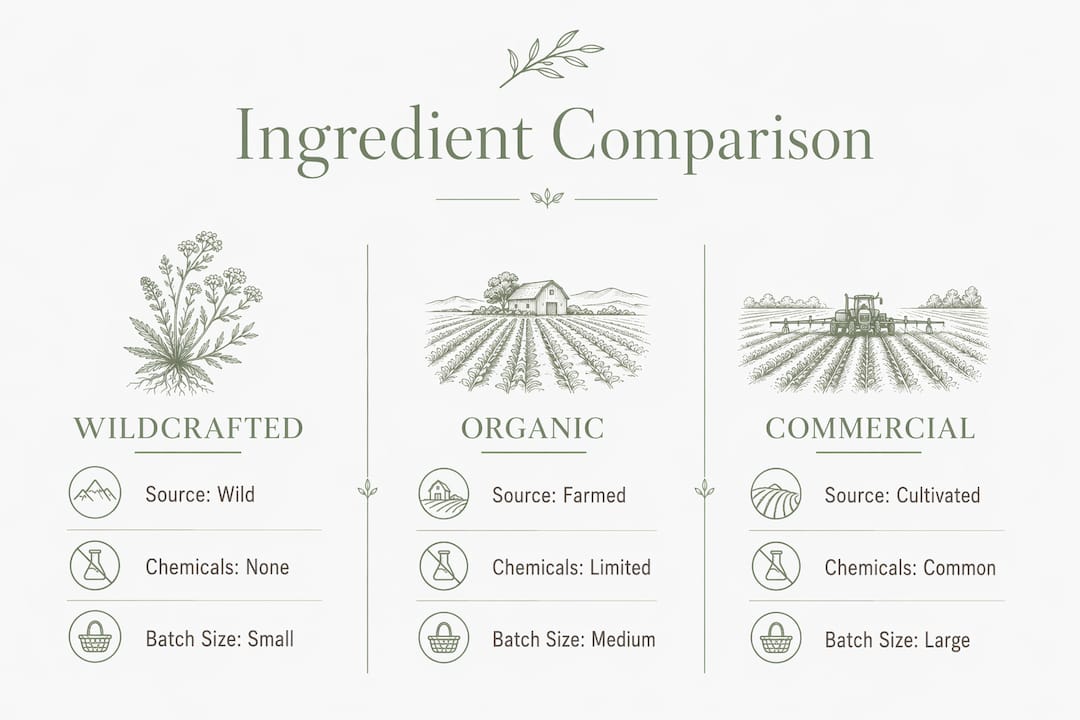
Wildcrafted ingredients are generally free from synthetic chemicals because no one is managing their growth. Organic farming also avoids synthetics, but it still involves human cultivation, soil management, and controlled conditions. Commercial ingredients sit at the other end entirely, often processed in ways that dilute their primary actives.
One practical trade-off worth knowing: wildcrafted ingredients are harvested seasonally in smaller batches, which makes them less shelf-stable than processed commercial alternatives. Organic ingredients offer more supply consistency and full traceability through certification programs. Wildcrafted ingredients, by contrast, typically lack formal certification but may be verified through trusted third-party ethics disclosures or brand transparency. When you’re reading a label, that’s the gap to watch for.
Why wildcrafted botanicals can do more for your skin
Plants that survive without human help develop something farmed plants rarely need: a defense system. Wild plants produce more protective phytochemicals, antioxidants, and essential oils precisely because their environment demands it. Research confirms that wildcrafted plants often carry higher concentrations of these bioactive compounds due to the environmental stressors they endure.
Dermatologist Dr. Mona Gohara, an associate clinical professor at the Yale School of Medicine, puts it plainly:
Cosmetic chemist Ron Robinson adds another layer to that picture. Farmed or cultivated botanical ingredients are managed by humans, often using chemicals, to maximize growth. Wild ingredients grow naturally, so they may be more nutrient-dense given there is no human interference until harvest. Robinson also notes that plants grown in nutrient-dense soils, like the volcanic terrain near Mount Etna where Anchusa Azurea grows, produce ingredients that are richer in vitamins and fatty acids as a direct result.
The anti-aging and antioxidant benefits of these bioactive compounds are well-documented. Bakuchiol, for example, has shown results comparable to retinol in clinical studies for reducing fine lines and evening skin tone, without the dryness or sensitivity retinol often causes. Kendra Kolb Butler, founder of Alpyn Beauty, describes wildcrafted plants as “the Olympians of plants” for exactly this reason.
Pro Tip: When shopping for wildcrafted skincare, look for brands that name the specific plant, its harvest location, and the season it was gathered. Vague “wild-sourced” claims without that detail are worth questioning.
How ethical wildcrafting protects ecosystems and communities
Wildcrafting done right looks nothing like industrial harvesting. It’s closer to the way an animal forages: taking only what’s needed, leaving the plant intact, and returning to find the ecosystem undisturbed.
Kendra Kolb Butler of Alpyn Beauty describes the standard clearly:
On her land in Wyoming, her team harvests arnica from a small patch sufficient to produce a large quantity of moisturizers. One week later, the patch shows no sign of disturbance. That’s the regenerative model wildcrafting depends on.
Sustainable wildcrafting requires a specific set of practices to protect both the plant population and the broader ecosystem:
- Never uproot entire plants; harvest only leaves, flowers, or seeds
- Collect only from abundant patches, leaving at least two-thirds of the population untouched
- Avoid harvesting near polluted roads, industrial farms, or areas with pesticide drift
- Rotate harvest sites to allow full regeneration between seasons
- Work with local foragers and communities who know the land
Wild plants’ resilience to climate stress also makes them particularly relevant as conditions shift. Researchers at the University of Copenhagen have suggested that wild plants should be considered in crop cultivation strategies because of their superior adaptability to evolving environmental conditions. That adaptability is part of what makes them worth protecting.
Overharvesting is the real risk when wildcrafting scales without discipline. Brands that source responsibly invest in relationships with skilled local foragers, limit batch sizes, and disclose their sourcing practices. For consumers, evidence-based natural beauty means asking those questions before you buy.
LaTerraTales’ approach to clean beauty with wildcrafted botanicals
LaTerraTales is a French-Lebanese sustainable beauty and wellness brand built on a clear principle: your skin deserves ingredients that are both gentle and genuinely effective, as highlighted in the benefits of choosing an eco-friendly nail salon. Every formula in the LaTerraTales collection draws on nature-backed science, with carefully selected botanicals chosen for their real efficacy, not just their marketing appeal.
The brand’s commitment to clean natural skincare reflects exactly what wildcrafted beauty stands for: ingredients sourced with respect for the environment, formulated without unnecessary additives, and designed for sensitive skin that responds best to purity. LaTerraTales products, from solid cleansing bars to botanical oils and wellness infusions, are built around this philosophy.
Ingredient transparency sits at the center of the LaTerraTales approach. Rather than hiding behind vague “natural” claims, the brand prioritizes educating its customers about what goes into each product and why. That’s the kind of clarity that wildcrafted beauty demands, and that conscious consumers deserve.
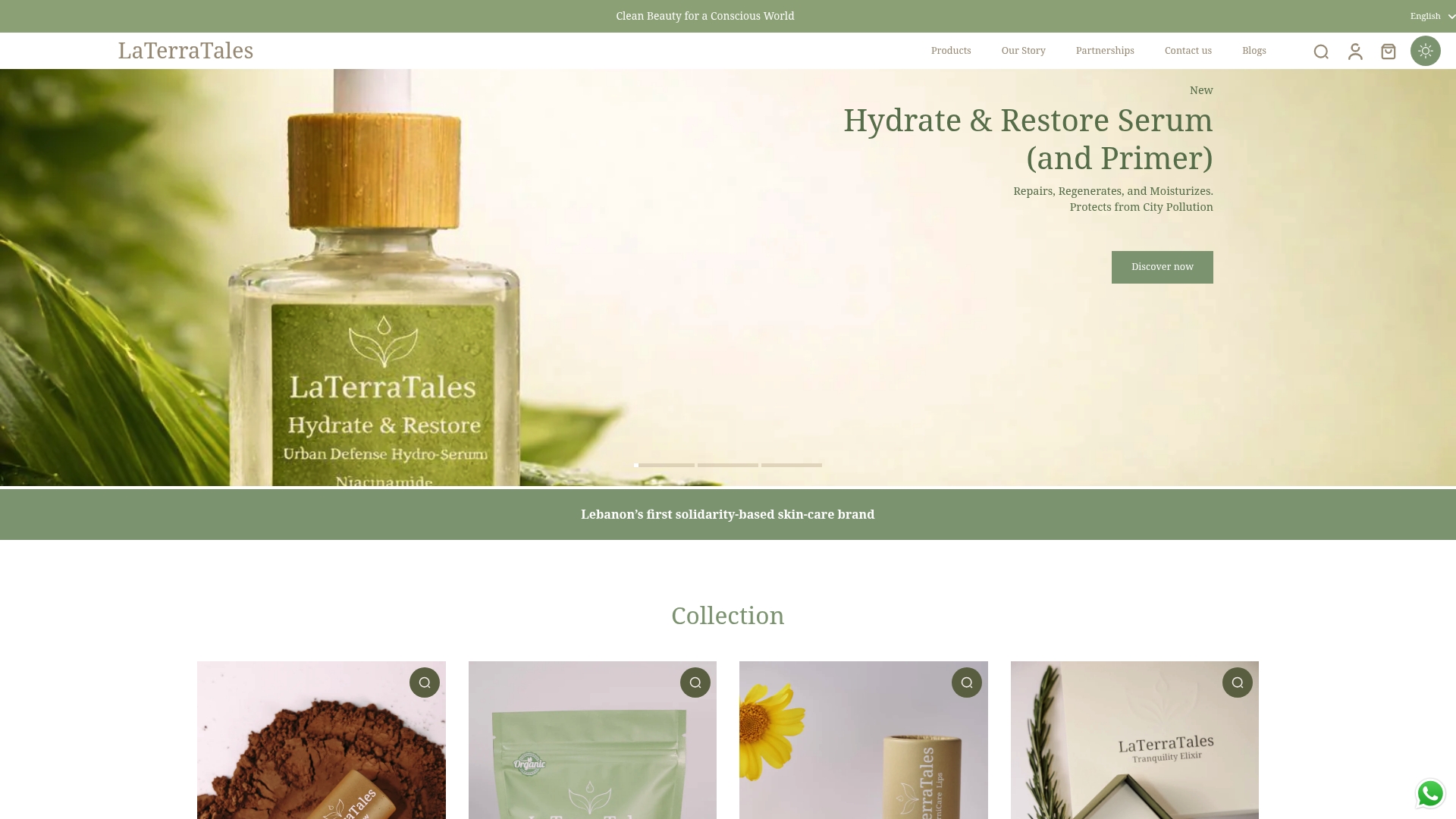
Explore the full LaTerraTales skincare collection to find products that bring wildcrafted and clean botanical ingredients into your daily routine.
Key Takeaways
Wildcrafted ingredients offer higher phytochemical potency than farmed alternatives because wild plants develop stronger bioactive compounds to survive without human intervention.
| Point | Details |
|---|---|
| Definition of wildcrafted | Plants harvested from uncultivated wild habitats with no farming or synthetic inputs. |
| Potency advantage | Wild plants produce more antioxidants and phytochemicals due to environmental stress. |
| Certification gap | Wildcrafted ingredients rarely carry formal certification; look for third-party ethics disclosures. |
| Ethical harvesting matters | Sustainable wildcrafting never uproots plants and harvests only from abundant patches. |
| LaTerraTales commitment | LaTerraTales uses clean, nature-backed botanicals with full ingredient transparency for sensitive skin. |


